Gautam Gambhir on India’s Batting Order: Samson Stays, Sooryavanshi Waits

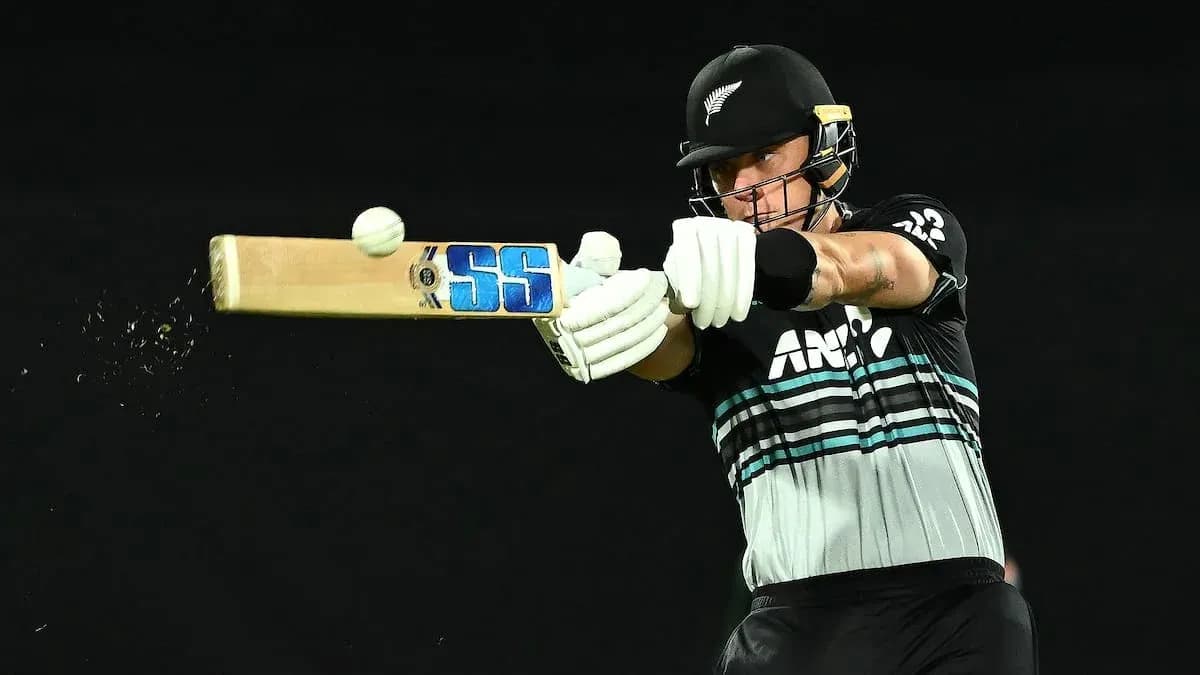
Gautam Gambhir did not dance around the subject. Asked about the pecking order at the top of India’s white-ball batting, the head coach made it plain: Sanju Samson and Abhishek Sharma have earned the right to stay. Vaibhav Sooryavanshi, for all his promise, will have to bide his time.
The debate has been simmering since the UK tour, where the management’s handling of Samson and Sooryavanshi came under scrutiny. Both were given three games each. Neither seized the stage.
Samson endured three low scores – one against England, two against Ireland – and lost his place. That opened the door for Sooryavanshi, who also failed to ignite across his three outings and was promptly left out as well. A revolving door at the top, and a storm of questions outside it.
Then came Zimbabwe. Samson was rested. Sooryavanshi walked out to open with Abhishek Sharma and finally showed why so many are excited about him. He piled up 151 runs in the series and walked away with the Player of the Series award. A statement, or so it seemed.
But when Afghanistan arrived, the script flipped again. Samson returned. Sooryavanshi went back to the bench.
Gambhir, speaking after the latest game, chose clarity over comfort.
“From Vaibhav's point of view, it is again a very clear conversation that he has to wait for his opportunity. We know the kind of talent he has. We know what he can do,” he said. The message was firm: talent alone is not enough to leapfrog those who have delivered over years.
“Someone who has done extremely well over a period of years obviously will always be ahead of someone who has just got into the team. Whenever he gets that chance, you will get a longer run as well,” Gambhir added, underlining that Sooryavanshi’s next opening will not be a token appearance.
This is the competition Gambhir wants in the Indian dressing room. He didn’t shy away from the harsh side of that reality.
“We want competition, we want that talent in the dressing room. But sometimes that's how cricket goes. Whether it is a 15-year-old or a 30-year-old, you have to wait for opportunity,” he said.
Samson’s exile and return
If Gambhir sounded protective of Samson, there is a reason. The wicketkeeper-batter’s omission in England cut against the grain of his recent record.
On that UK tour, Samson’s three failures forced the management into a brutal call. He was dropped from the XI, and Sooryavanshi handed a debut. When the youngster also faltered across his three matches, he too was taken out of the firing line.
The real twist came against Afghanistan. Samson, back in the side, responded exactly as a senior pro is expected to. Two half-centuries, both reminders of why he was Player of the Tournament at the World Cup.
Gambhir admitted that sidelining Samson earlier in the summer had weighed on him.
“Someone doesn't become Player Of The Tournament in the World Cup without having talent, so he has done enough,” he said. “Obviously, it was tough – probably the toughest decision I have taken in my coaching career, was leaving him out of that England series because of the way he had performed before that.”
The numbers and the context back him up. A player who had just driven India through a World Cup campaign found himself watching from the sidelines after three poor innings in unfamiliar conditions. Gambhir took that call. He has not forgotten it.
This time, he chose to lean on continuity instead of experimentation.
From his point of view, the logic is simple: the core that carried India from one World Cup to another unbeaten, and then all the way to the trophy, has not suddenly turned into a spent force because of one lean series.
“Sometimes you go with the players' form as well,” Gambhir said. “From my point of view, I wanted to go back to the combination we had during the World Cup, because those guys, after three or four failures, don't become bad players.
If a team has gone from one World Cup to another one unbeaten and has won the World Cup. Suddenly, it has become a team after one series, and these guys have not become bad players.
The subtext is hard to miss. Samson’s World Cup body of work, and his response against Afghanistan, keeps him ahead of Sooryavanshi for now. Abhishek’s rise as an attacking opener only strengthens that structure.
Sooryavanshi, despite that standout series in Zimbabwe, sits in the queue behind players who have delivered on bigger stages, for longer.
The door is not closed. Gambhir stressed that when the youngster’s chance comes again, it will be a “longer run”. For a player already decorated with a Player of the Series award in international cricket, the challenge is clear: stay ready, stay patient, and be irresistible when the call finally comes.