Fatima Sana’s Fire and Shafali Verma’s Milestone in Asia Cup Clash

Fatima Sana’s fire, Shafali Verma’s milestone and an India–Pakistan clash that never caught light
The scoreboard said one thing. Fatima Sana’s body language said quite another.
On a sweltering afternoon at the Dubai International Stadium, Pakistan’s captain walked in with her side already bruised. Bowled out for 55 in a Women’s Asia Cup clash against India, the contest looked lopsided before India had even taken guard. Yet, on the field, Sana refused to wear the script.
She steamed in, new ball in hand, and went hunting.
A send-off that cut through the silence
Third ball of the second over. Shafali Verma on strike, already into double figures and looking ominous after launching a six off the very first delivery of the chase.
Sana hit a hard length. The ball climbed a touch more than Shafali expected. The opener shaped to work it through the leg side, but the bat turned, the leading edge popped up, and the ball looped tamely back down the pitch.
Sana settled under it. No fuss, no fumble. One of Pakistan’s few clean moments with the ball all day.
Then came the spark.
The Pakistan captain turned to Shafali and gave her a pointed, animated send-off, gesturing her back towards the pavilion. It was raw, emotional, and in stark contrast to the state of the game. The crowd stirred. The broadcasters pounced.
“Okay, you are showing her the way out. Your entire team just scored 55 runs, and now you're sending Shafali Verma back,” commentator Vivek Razdan said on air, capturing the disconnect between scoreboard reality and competitive pride.
Shafali didn’t bite. No glare, no word. She simply turned, bat under her arm, and walked back to the dressing room, 12 off 6 to her name, with one four and that towering six.
Sana, though, had made her point. Pakistan might have collapsed with the bat, but their captain was not going quietly.
Shafali’s landmark in a sprint, not a stroll
The dismissal briefly checked India’s charge. It did nothing to dim the significance of Shafali’s day.
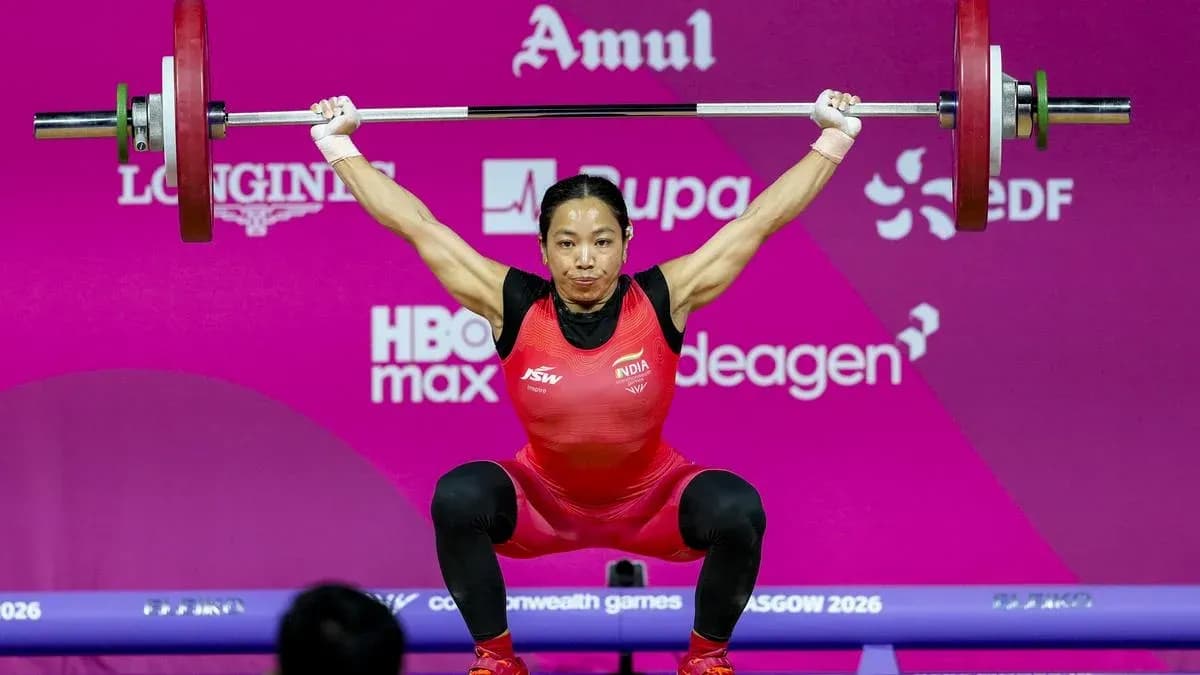
In the same match, the 22-year-old became the youngest batter to cross 3,000 runs in women’s T20Is, and the fastest to get there. She reached the mark at 22 years and 220 days, overhauling Ireland’s Gaby Lewis, who was 24 years and 347 days when she touched 3,000.
The numbers behind it underline just how relentless Shafali has been. She needed only 2,182 balls to reach the milestone, slicing past Alyssa Healy’s previous benchmark of 2,321 deliveries. Not just a volume scorer, but a tempo-setter.
That she marked such a landmark in a chase of just 56 runs almost felt incongruous. This was the kind of record you expect in a decider, not a procession. Still, the stage – India versus Pakistan, Asia Cup, under lights in Dubai – gave it a weight that no lopsided scoreline could strip away.
Pakistan’s decision backfires
The day had started with optimism for Pakistan. Sana won the toss and chose to bat, a statement of intent rather than caution. It backfired quickly.
India’s attack, disciplined and relentless, ripped through the line-up. Shree Charani and Prema Rawat took three wickets each, Deepti Sharma added two, and Pakistan never found a partnership with any real substance. The innings folded in 18.1 overs, 55 all out, a total that left the bowlers with hope more than belief.
With so little to defend, Pakistan needed early wickets, energy, and perhaps a flash of theatre. Sana supplied all three.
India swing hard, then stroll home
India’s response started with a statement. First ball of the chase, Shafali went downtown for six. It felt like a declaration: no nerves, no caution, no letting Pakistan’s bowlers settle.
Sana answered as best she could. She removed Shafali. She then prised out Smriti Mandhana. She also accounted for Pratika Rawal, picking off India’s top order almost single-handedly and finishing with three wickets to her name – a captain’s spell in isolation, overshadowed only by the context of the match.
But 55 leaves no margin for error. Once the early burst faded, India’s experience took over.
Harmanpreet Kaur walked in, Deepti Sharma joined her, and the pair shut the door on any notion of a twist. They nudged, drove and punished anything loose, steering India to the target with seven wickets in hand and a hefty 68 balls to spare. Harmanpreet finished unbeaten on 18, Deepti on 12, the job done without fuss.
No wild celebrations, no great outpouring. Just another clinical chase in a rivalry that usually crackles.
Fire in a losing cause
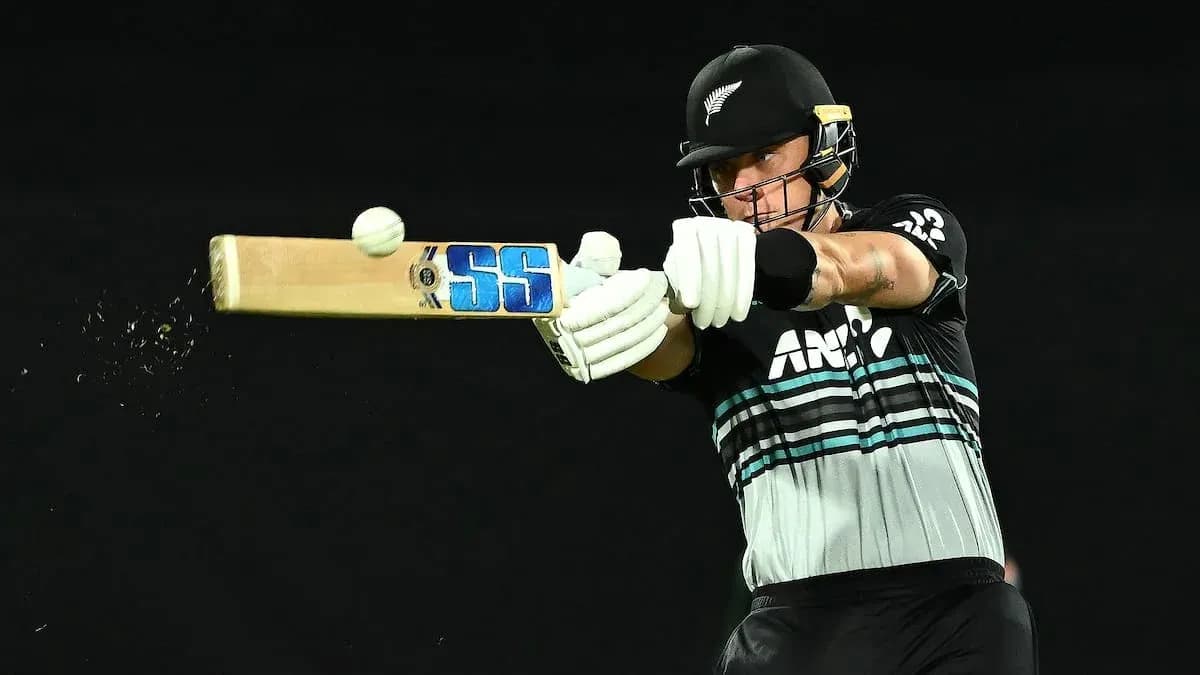
So the enduring image from Dubai is not a last-ball thriller or a miraculous rescue. It is Fatima Sana, ball in hand, roaring Shafali Verma towards the pavilion after a simple return catch, refusing to let the scoreboard dictate her edge.
On one side, a captain trying to drag standards up with attitude and wickets in a game already slipping away. On the other, a young superstar quietly ticking off records at a pace few in the women’s game have ever matched.
If this is the level of intensity in a one-sided group game, what happens when these two meet again with something bigger on the line?