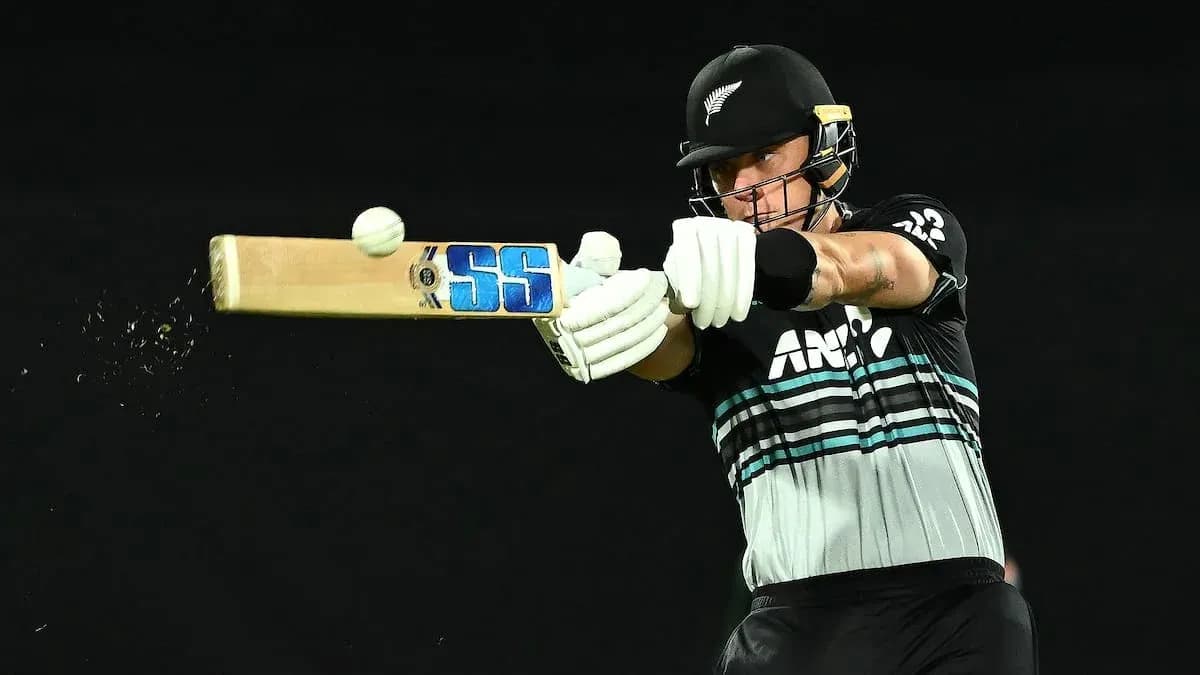
England's Chaotic Test Summer: Stokes, Root, and New Challenges
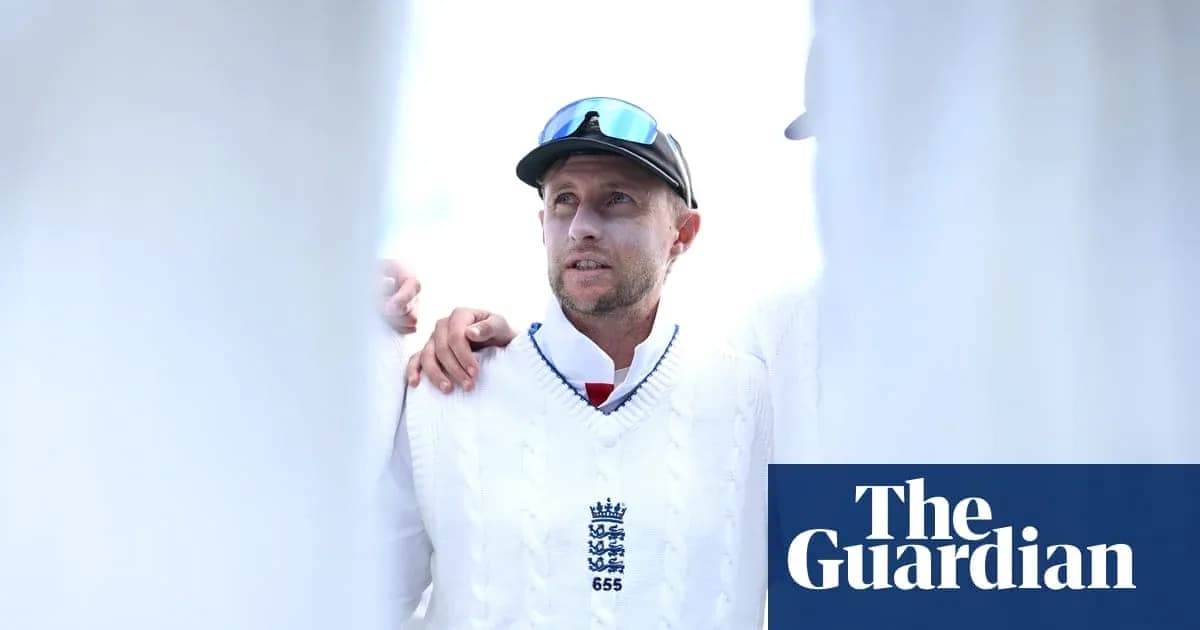
Joe Root called it “chaos”, “unusual”, “unsettling”. He didn’t need to spell out why. The moment that defined England’s Test summer came with Ben Stokes walking away from international cricket in the middle of a live series, during a live match, as if ripping the cord out of the wall while the music was still playing.
Cricket has seen mid-game retirements before. Heather Knight followed suit at Lord’s in the women’s Test barely a fortnight later. Root, ever loyal, was never going to question publicly whether Stokes’s exit – staged before New Zealand closed out victory at Trent Bridge – quite chimed with his own rallying cry for “selfless cricketers” four years earlier.
But that week was when England hit the floor. Their first home series defeat of three or more Tests in 14 years. New Zealand not just beating them, but laughing in their faces as the final moments played out. The hangover from Bazball, the emotional pull of Stokes, the sense of something unravelling – it all seemed to collide there.
Once the emotion around Stokes ebbed and the penny dropped that Bazball’s stigma would never really fade without Brendon McCullum’s removal as Test head coach, the temperature dropped a notch. Not entirely – the sight of Brydon Carse in handcuffs in Derby, with Stokes lurking in the background, was a reminder that this is not a quiet era – but enough for England to start functioning again.
They also got a taste of a new, awkward reality: winning the cricket but not the narrative. New Zealand in June, Australia during last winter’s Ashes – both had felt that before. This time it was England’s turn. At Edgbaston, the 21-year-old Razaullah stole the headlines with a staggering 81 that fitted perfectly with south Birmingham’s fondness for unexpected pyrotechnics. England took the series, yet Pakistan’s chaos dominated the conversation.
And what chaos. Scraps with Saracens players. A curfew that may or may not have been communicated properly. Then the full meltdown: seven players sent home, the head coach and bowling coach dispatched as well, mobile phones confiscated, and a harsh light shone on a government-run board seemingly desperate for people not to dwell on the treatment of the country’s greatest captain. Saj Sadiq, editor of PakPassion.net and a veteran of Pakistan’s many soap operas, did not sugar-coat it: “As an entire series, this has been the most embarrassing and difficult to watch. On and off the field Pakistan have been an absolute shambles.”
So no, this was not a wasted summer for England, even if the opposition crumbled too easily. Stephen Fleming has not even landed in the UK yet – Root is itching to finally meet his new head coach in person after a long-distance courtship – but the New Zealander will already have learned plenty over his breakfast highlights in Canterbury.
Fast-Bowling Stable
First, there is the fast-bowling stable. It is starting to look like something. Ollie Robinson has returned with bite and precision, Jofra Archer’s hunger for Test cricket has survived the Stokes era, and Josh Tongue has toughened up physically, emerging as a serious weapon. Gus Atkinson’s numbers dipped after the Rex Rooms episode and a tweak in role, yet this was also the fastest he has bowled across a season. England’s quiet man found an extra gear.
There are warnings written through those positives. The ball ruled the bat. A wicket every 41 deliveries produced the lowest strike-rate in England since the 1880s. Pakistan’s batting resistance resembled wet paper. On the one occasion conditions eased – a good Edgbaston pitch and a ball that went soft after getting damp the night before – England’s attack lost some bite and struggled to part the curtains.
Root also endured some familiar nightmares against the tail. Razaullah’s onslaught was the headline example, but there was also the Oval in June when Root stood in for Stokes and watched lower orders run wild. Marcus Trescothick, interim head coach against Pakistan and unsure of his longer-term role in the Test set-up, believes Fleming’s tactical acumen and his record as the most decorated coach in the pressure cooker of the Indian Premier League will mesh well with Root’s captaincy, especially in those fraught, scrappy phases.
Beneath the four frontline quicks, the picture blurs. South Africa in December looms, and the depth chart is still being sketched. One strong view is that Olly Stone’s late-summer county form for Nottinghamshire should shove him ahead of the younger quicks waiting in line. The absence of a proper frontline spinner is even more glaring. You can almost see Fleming wanting a Daniel Vettori type – someone multifunctional, able to hold an end, bat, and think – with Liam Patterson-White an obvious name on that shortlist.
Fleming’s own journey with the bat may resonate in a dressing room full of nearly-men this summer. England’s batters churned out 23 half-centuries, yet only Ben Duckett converted one into a hundred. Fleming himself made 10 fifties before he finally raised his bat for a Test century. That experience might just help ease the strain on players such as Dan Lawrence, who continues to load pressure on his own shoulders every time he walks out.
Every coach talks about a settled XI. Fleming might quietly enjoy the current friction instead. Competition for places is real and awkward decisions are coming when Jacob Bethell is fit again. Emilio Gay, expected to tour but already having his ceiling questioned, feels the most vulnerable among the current top order. That, in turn, forces a rethink at the top: someone will need to be manufactured into an opener alongside Duckett.
Duckett himself, despite that 113 at Trent Bridge, has looked caught between identities in the post-Bazball world – uncertain whether to keep swinging or dig in. The likeliest solution is Jordan Cox being nudged up. Given that the No 3 did not appear later than the ninth over at any point against Pakistan, it is hardly a radical shift. Cox, like Lawrence, fell short of the defining score he wanted, finishing with three half-centuries. Yet he left a mark through his sheer presence at the crease – almost cocksure, bristling with intent.
Root admitted: “I didn’t really know what to make of him when I first met him.” Cox has been open about trying to outdo his captain. On paper, that is a ludicrous target – Root’s 14,000-plus Test runs are a distant mountain – but it might be exactly what this side needs.
Because this is the shape of England after Stokes. No single talisman to drag them through days and series by force of will. No aura to hide behind. Instead, a group asked to look to their captain not as a superhero but as the quieter, relentless example of what it takes to live at this level.
Fleming walks into that reality now. The chaos has not gone away. It has simply changed form.