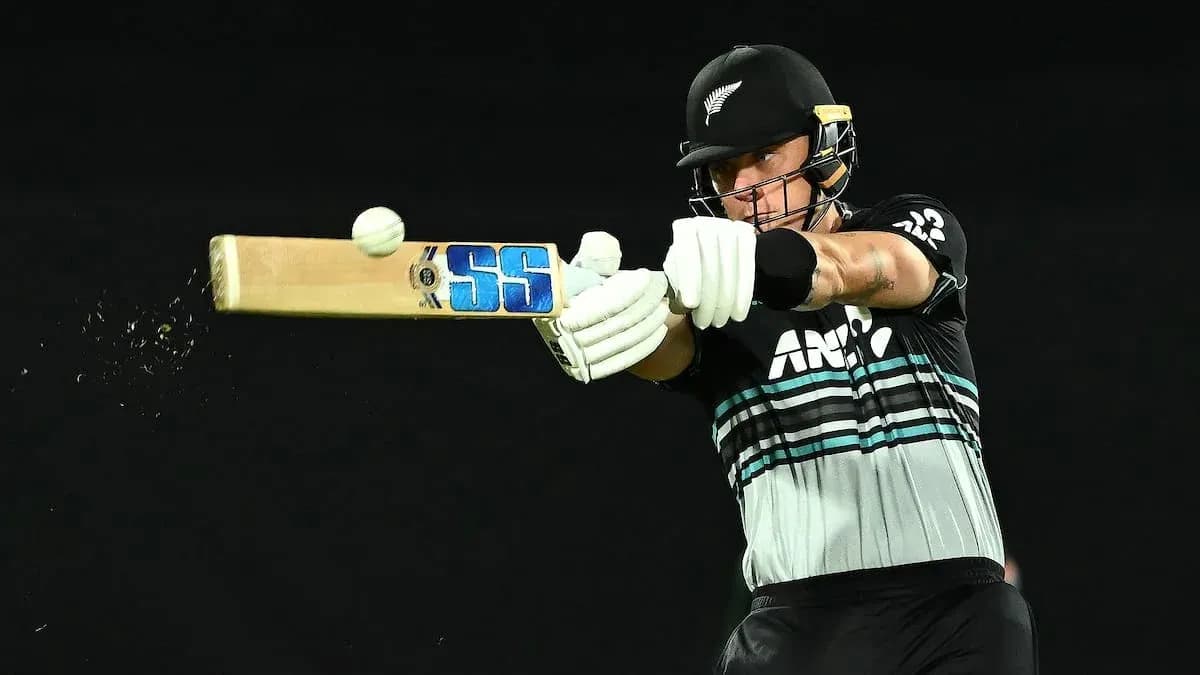
England's New Pace Battery: Echoes of 2005
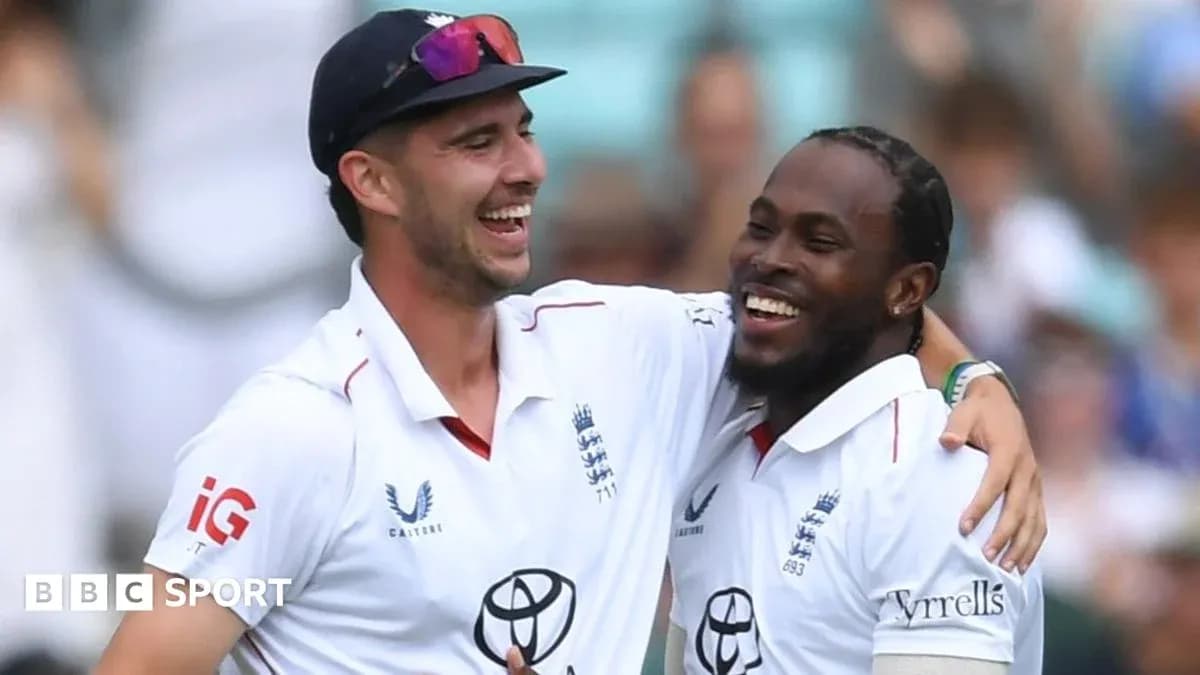
England’s new pace battery has barely played a handful of Tests together, but Marcus Trescothick can already see ghosts of 2005.
The interim head coach, a key figure in the Ashes-winning side of 21 years ago, believes the current quartet of Ollie Robinson, Jofra Archer, Gus Atkinson and Josh Tongue carries echoes of Stephen Harmison, Matthew Hoggard, Simon Jones and Andrew Flintoff – the group that bullied Australia and dragged English cricket into a new era.
“We do have some real skill,” Trescothick said, drawing the line between past and present. “You look back to 2005 and the sort of comparisons of Harmy, Fred, Simon and Hoggy, you could easily make those sort of comparisons.”
It is not a throwaway line. England’s seamers have just bowled the hosts to a series win over Pakistan, back-to-back victories that have broken a grim run of only two wins in 10 Tests and delivered a first series triumph since 2024. For a side searching for identity after Ben Stokes’ retirement as captain and player, that matters.
A new balance after Stokes
Stokes’ exit closed one chapter and ripped open another problem. His departure as all-rounder and leader not only ushered Joe Root back into the captaincy, it stripped England of the man who had been the glue in their XI. Without his overs and his presence at No. 6, the balance of the side suddenly looked fragile.
The solution, for now, has been blunt but effective: stack the attack with four frontline seamers, leave out a specialist spinner, and lean on Dan Lawrence’s part-time off-breaks if the ball starts to grip. It is a throwback of sorts, but with a modern twist.
Under Stokes and former head coach Brendon McCullum, England often chased raw speed. The radar gun ruled. This version still has pace to burn, but Robinson’s recall after more than two years out of Test cricket has changed the shape and feel of the unit.
Archer, Tongue and Atkinson can all push into the high 90s in kilometres per hour, touching 92mph in old money. Robinson, by contrast, often operates below 80mph with the wicketkeeper standing up. He deals in relentlessness: heavy lengths, nagging lines, subtle movement. The numbers are absurd – 23 wickets this summer at an average of 8.3 – but they match the eye test. He looks in complete control.
“We’ve got a good contrast in what we’re trying to do at the moment,” Trescothick said. “What we do have is three guys bowling at 92 miles an hour, which is really nice to have in your armoury and to have the potency in what you’re trying to do.
“And the more that they play together and the more experience that everyone gets together, then it fits into place to how you want it to be.”
Echoes of 2005 – but a warning from Vaughan
Trescothick is not the only 2005 veteran watching closely. Writing in the Telegraph, Michael Vaughan, the captain who lifted the urn that summer, drew his own line in the sand. Comparisons, he argued, only truly stick when a group wins something significant.
For all the promise, this attack has not yet done what Harmison, Hoggard, Jones and Flintoff did to Australia.
Vaughan’s verdict was clear enough: only when they win a major series can they be measured alongside that fabled quartet. Yet he also sounded a note of optimism, suggesting they are “certainly capable of doing something really special, and winning back the Ashes for England next summer.”
That is the bar now. Not just beating Pakistan at home, but terrorising Australia and prising the urn back.
Selection calls and a hard line on Carse
Before that, there is unfinished business against Pakistan. England head to Edgbaston on 9 September chasing a 3-0 clean sweep, with a squad for the third Test in Birmingham to be named in the coming days.
There were seven pace bowlers in the group at Lord’s. Brydon Carse started in that pack, only to be withdrawn after an incident outside a nightclub in Derby. He is not expected to be considered for England again until investigations by the police and the Cricket Regulator are complete.
His removal has pushed Sam Cook, Sonny Baker and Matthew Fisher up the queue. Between them they own just four Test caps, a reminder of how quickly England’s depth can look raw once you scratch beneath the surface of the first-choice four.
Trescothick, though, is in no rush to experiment simply for the sake of it.
“First and foremost I want to win the series 3-0, and I think if you’re going to do that you want to play the most consistent team possible,” the 50-year-old said.
The schedule has been punishing. England’s quicks now have four or five days off, a rare breather in a crowded calendar. Only once the medical updates land will Trescothick and the selectors decide whether to roll the dice or double down on the same attack.
“We’ve got to see how they all pull up from this game,” he said. “Once we know that then we’ll be able to make that decision, but emphasis massively on winning the series 3-0.”
The comparisons with 2005 will keep coming. The real question is whether this group can turn the echoes into something louder next summer, when the Ashes come calling again.