England's Low-Key Tour Amidst Australia's Sandpaper Scandal
Twelve months on from that brutal, two-day Ashes defeat at Optus Stadium, Perth feels familiar but the script has flipped. England are back in Western Australia, but this time it’s white-ball cricket, a different cast, and a very different place in the story.
Back then, England arrived talking big and preparing small. Travis Head carved them apart, the Ashes bid crumbled with alarming speed and the glass jaw was exposed under the floodlights. Now there is no Ashes, no five-Test epic, no grand narrative built around Ben Stokes and a swaggering revolution.
This is quieter. Flatter. Almost anonymous.
England in the background
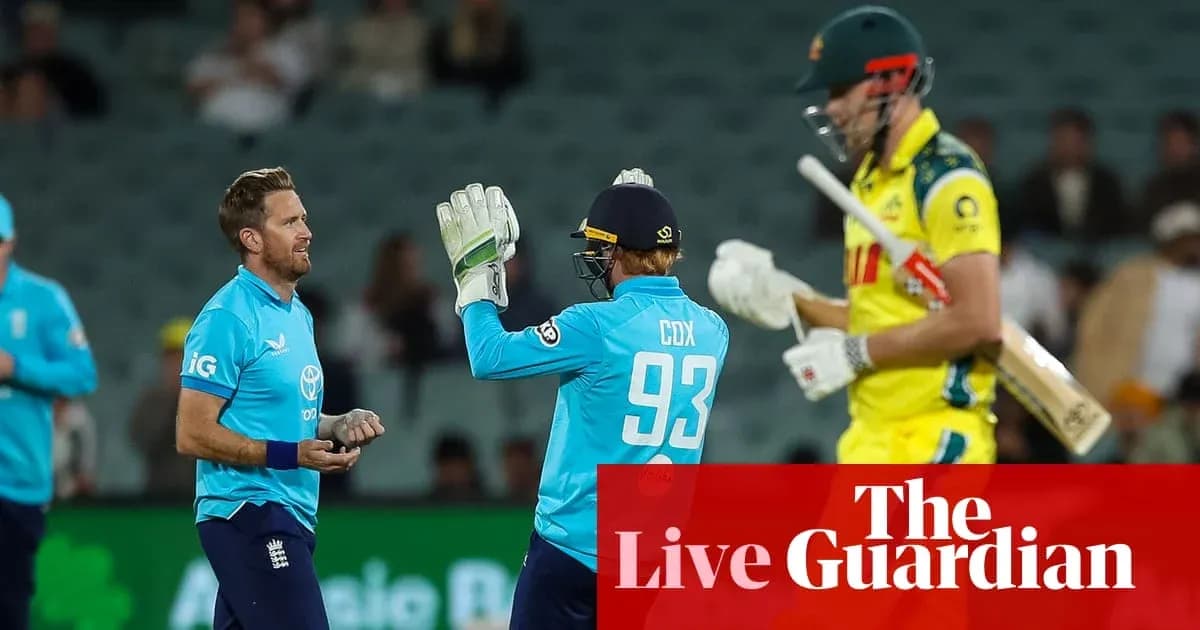
On paper, England should still be a draw: defending 50-over world champions, three ODIs starting Friday, five T20s to follow, Brendon McCullum still in charge of the white-ball setup. Yet the “Bazball” noise has gone. No one is trying to rebadge this tour as a sequel to the Test-side crusade. The main-character energy has drained away.
Even the local press has cooled. A year ago, the West Australian splashed Ben Stokes across its pages as a “Cocky Complainer” and reduced Joe Root to “Average Joe”. This week, Jofra Archer sneaked onto the back page with a headline about the “Poms’ daunting Perth task”, but the piece never really bothered to explain why.
Because, truthfully, England aren’t the story here.
Australian cricket is consumed by something else entirely: Usman Khawaja’s autobiography, Sabr, and in particular the 22 pages that drag the 2018 sandpaper scandal back into the spotlight. Against that, Harry Brook’s developing side barely registers as the undercard.
Root front and centre, but saying little
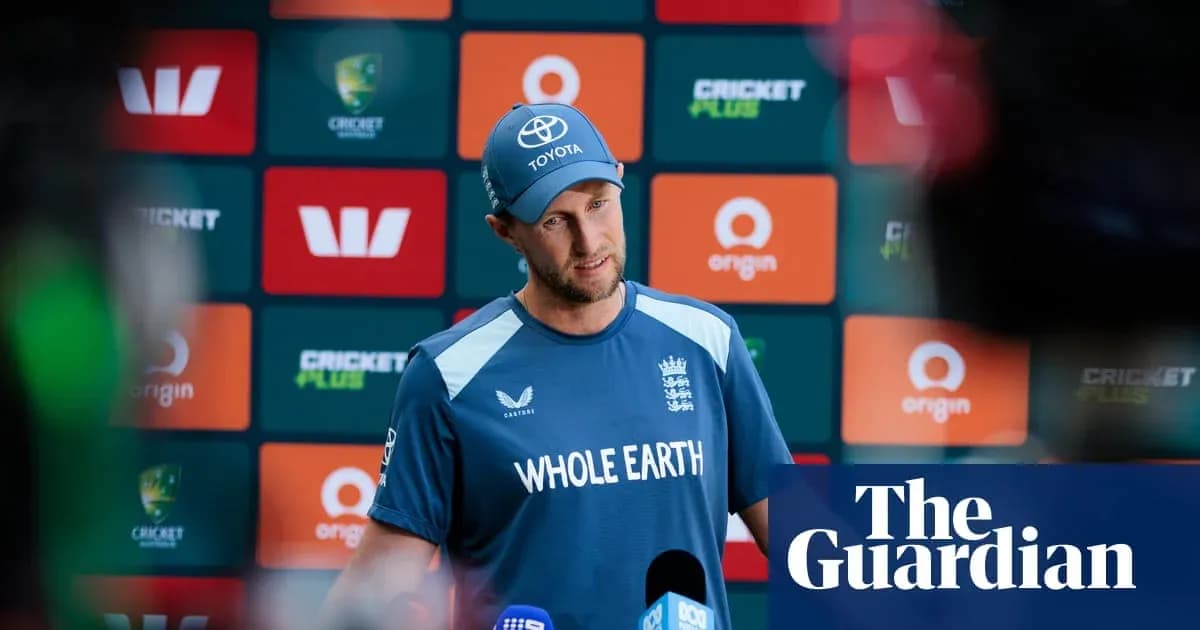
England’s contribution to the circus on Wednesday was to send Joe Root out to face the media. As ever, he arrived with the star power and the straight bat. He is about to play his 200th ODI, a landmark in any career, yet he remains the master of giving little away.
Asked directly about the 2017-18 Ashes tour he captained – the tour on which Khawaja now says Australia were already ball-tampering – Root didn’t nibble. “I don’t want to speculate,” he said, before steering the conversation firmly back towards the cricket in front of him.
The only moment he brushed up against the live wire came when he was pressed on a familiar refrain in Australia, echoed by Khawaja and others: that everyone was pushing the same boundaries before Cape Town blew the lid off. Root’s answer was cool and narrow. “I can only speak from my own experiences,” he replied, with a shrug. “That’s not how I feel.”
It was a line that said plenty about England’s approach. There is no need to dive into someone else’s mess when you can stand at the boundary rope and watch the storm rage.
A different kind of tour
England’s own job here is far more straightforward. This is about education and recovery: giving a largely inexperienced 50-over group more time in the middle before next year’s World Cup and trying to shake off the rust from a poor tri-series in Pakistan.
They have also learned from last year’s missteps. Instead of drifting into a high-intensity series undercooked, they’ve had a proper tour match at the Waca. The support staff is no longer a skeleton crew either. Kevin Pietersen has been drafted in among a swollen coaching group that even includes two dog-stick specialists from Kolkata Knight Riders. The operation looks fuller, more serious, less like a Test team moonlighting as a white-ball side.
Yet, for all the tweaks and all the planning, they remain a subplot.
Sandpaper refuses to fade
How long that remains the case depends on how long sandpaper dominates the headlines. Cricket Australia has already ruled out reopening an investigation that looked rushed at the time and has since been exposed as deeply flawed. Officially, the book is closed.
Publicly, it is anything but.
Khawaja has taken heat for reopening the wounds – some of it vicious, plenty of it misplaced. The idea that his book is a simple cash grab ignores the detail he has added and the gaps he has exposed. People may be tired of the scandal, but the appetite for clarity hasn’t gone away. Not for the broader story, and not for David Warner, still shackled by one of the most punitive bans modern cricket has seen.
Attention now turns to the current leadership. Pat Cummins, the Test captain, has questions coming his way whether he likes it or not, even as he sits this series out alongside Mitchell Starc and Josh Hazlewood. The trio have been rested because of a schedule that crushes players into the calendar like sardines, not because anyone is sneaking them out of the firing line, but the optics are awkward.
Starc has already spoken, standing by the joint statement the fast bowlers released in 2021. That position, though, looks increasingly like a technical defence, a tight reading of events rather than a broad one. Whether Cummins chooses the same path, particularly given Khawaja’s claim that sandpaper appeared earlier on that tour than previously acknowledged, is an open question.
Awkward truths, difficult questions
Khawaja himself has already shown how treacherous this ground can be. His appearance on ABC’s 7.30 programme on Tuesday turned into an interrogation. He was grilled like a cabinet minister, pressed to go further than his own book, and became evasive on air. Why he would start naming names on television when he chose not to in print is a fair challenge, but it underlines the trapdoor beneath anyone who steps into this debate.
So England wait on the edge of it all. They train, they tinker with combinations, they talk about World Cups and white-ball structures, while the real noise swirls around the home dressing room and a scandal that refuses to stay buried.
Perth, once the stage for England’s humiliation, now feels like a backdrop to someone else’s reckoning. The question is whether this low-key, almost forgotten tour can help forge a new white-ball side while the rest of the cricket world stares, yet again, at Australia’s past.