England Dominates Sri Lanka to Clinch T20I Series in Cardiff

England didn’t just win in Cardiff. They smothered Sri Lanka, then strolled past them with almost casual authority to wrap up the series 2–0 with a six‑wicket hammering and 47 balls in hand.
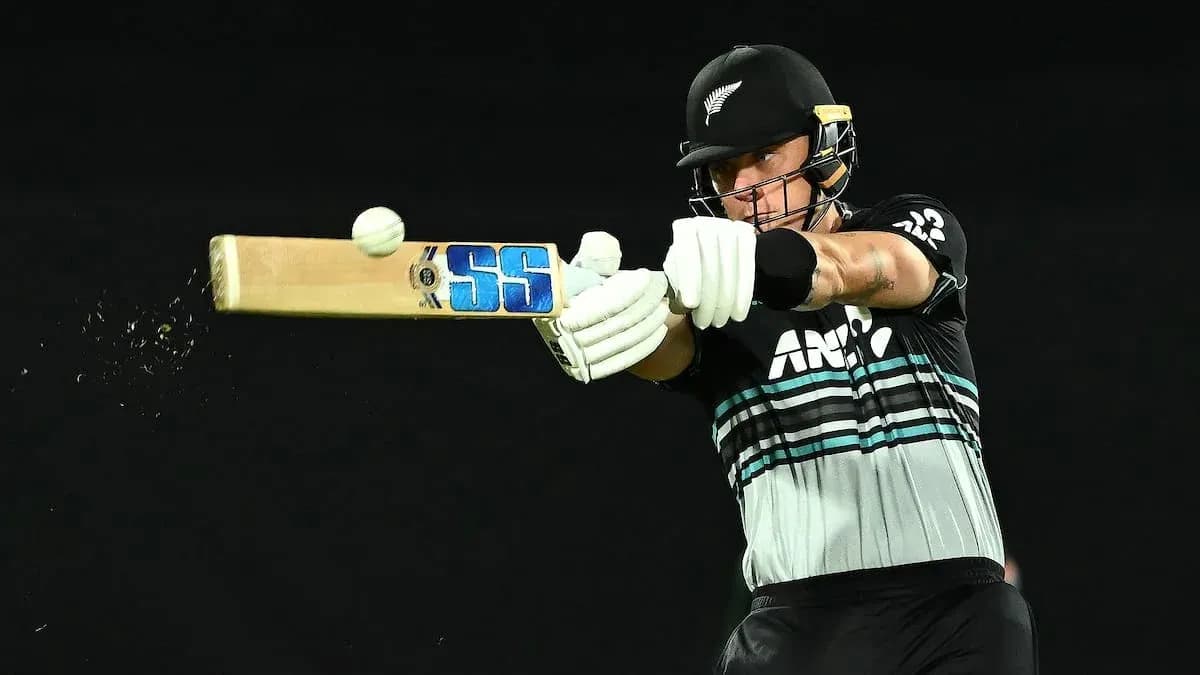
On a cool evening at Sophia Gardens, Sri Lanka’s bright start with the bat flickered briefly, then ran straight into Liam Dawson and Jamie Overton. Tom Banton later turned the chase into a personal highlight reel, racing to a 24-ball half-century as England’s modern white-ball machine rolled on.
Sri Lanka’s surge, then the squeeze
For a while, Sri Lanka looked like they had finally found a gear. Pathum Nissanka came out swinging, three boundaries flying from Jofra Archer’s first over. Lahiru Udara, stuck on 1 off 9, suddenly found rhythm. The ball kept finding the rope, the fielders kept chasing. Fifty was up before the fifth over was done. England, briefly, were being hunted.
Then Dawson walked in and flipped the script.
Brought on for the final over of the Powerplay, the left-arm spinner ripped out two wickets in two balls and with them, Sri Lanka’s early swagger. The run rate stalled. The fielders crept in. The innings lost its shape.
The pressure told on Nissanka. On 37 and looking set, he tried to flat-bat a slower ball from Overton, only to pick out mid-on. Overton tightened the noose with another blow, cramping Kamindu Mendis for room and bowling him as he tried to late-cut. Dawson then removed Dasun Shanaka, and the scoreboard suddenly looked bare: the visitors, once racing, now stranded.
Asalanka and Hasaranga fight back, then the collapse
Charith Asalanka and Wanindu Hasaranga refused to accept a meek total. Their 44-run stand hauled Sri Lanka back into contention and, for a brief spell, it was Dawson on the receiving end. His final over disappeared for 18 as Hasaranga and Asalanka went after him, Sri Lanka recalibrating towards something around 170.
Cardiff could sense the momentum shifting again.
Harry Brook responded with a sharp move, tossing the ball to Adil Rashid. The leg-spinner needed only a hint of error. Asalanka obliged with a miscued stroke and Sri Lanka’s hopes slipped with him.
Then came Sonny Baker’s over. The 19th was a wicket maiden of the highest quality, Hasaranga undone as Baker nailed his lengths and nerves. Archer closed it out with two wickets in the last over, and Sri Lanka’s innings simply fell apart: four wickets for seven runs in the final three overs, from promise to 146 for 9.
From aiming at 170, they barely clung to respectability.
Buttler’s milestone, Banton’s statement
England’s reply began with the same intent that shredded Sri Lanka in Southampton. Aneurin Donald went after Dushmantha Chameera, Jos Buttler dismantled Dilshan Madushanka with four boundaries in an over, and the hosts were also beyond fifty inside five overs.
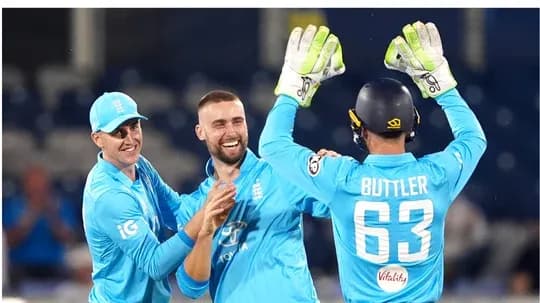
In the middle of it, Buttler crossed another landmark, becoming the first batter to reach 15,000 T20 runs. It was a moment befitting a player who has redefined England’s white-ball ceiling.
Sri Lanka found a brief opening. Eshan Malinga outfoxed Donald with a slower ball, Chameera bounced Buttler out, and both openers were gone before the field spread. On another night, that might have opened a door.
England slammed it shut.
Brook marched in and launched Hasaranga for three sixes in an over, a brutal reminder of England’s depth. He fell chasing a fourth, Malinga taking a superb catch at deep square leg, but the damage was done. The target was shrinking rapidly, the asking rate a non-issue.
Banton then took centre stage.
He stuck to the same aggressive brief, punishing anything short from Sri Lanka’s spinners, with Hasaranga enduring a particularly grim spell. England surged to 120 by the end of the tenth over, Banton clubbing Malinga for back-to-back sixes as the chase turned into an exhibition.
Jordan Cox departed with only ten needed, but Banton wasn’t done. He surged to his fastest T20I fifty from just 24 balls, a statement innings in a side packed with power. When Hasaranga spilled a catch running back from mid-on off a free hit, it felt less like a chance missed and more like a symbol of Sri Lanka’s night: effort without reward, plans without control.
England eased over the line, series in the bag, authority underlined.
The scoreboard read six wickets and nearly eight overs to spare. The real message was starker: in this format, on these pitches, England are operating at a level Sri Lanka are still struggling to reach.