England vs Sri Lanka: 50-Over Cricket Challenge
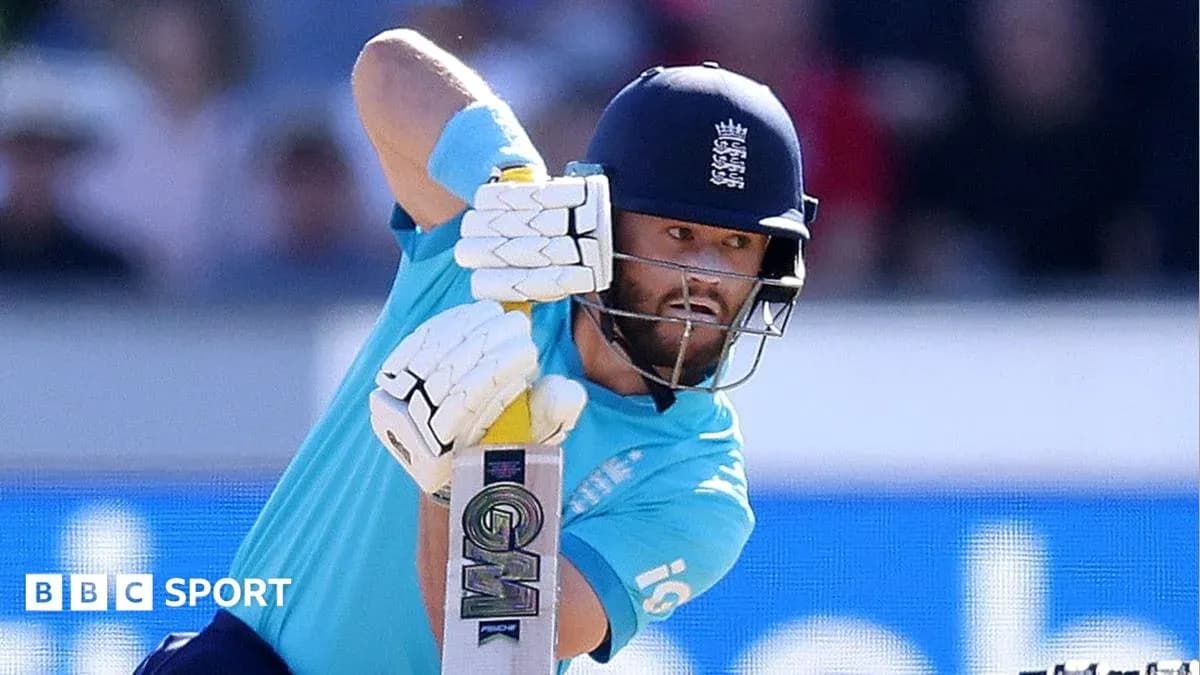
On a day made for batting, the pitch at Chester-le-Street looked anything but friendly from the middle. From distance, it carried the odd, broken camouflage of green and brown. Up close, it bit. One delivery scuttled low, brushed an under edge and thudded straight into the slip fielder’s knee. Kamindu Mendis went down in clear pain. England were only 17-1, but the surface had already made its point.
This was supposed to be a gentle reintroduction to 50-over cricket for some of England’s fringe names. It felt more like an examination.
Tom Banton, making just his 26th List A appearance at the age of 27, walked into that test early. Joe Root, by comparison, had banked 186 List A games before he turned 28. The gulf in experience told in the way Banton searched for rhythm at the top of the order. Asitha Fernando jagged one back in at the right-hander and straightened him up, drawing praise from Russel Arnold on BBC Test Match Special for a “tremendous delivery”. Banton, Arnold noted, simply wasn’t using his feet enough.
England’s innings had begun in more familiar hands. Ben Duckett, in need of runs as much for his own certainty as for any selection debate, nudged his way into the day with the help of a gift: a full toss early on to get him going. He has cycled through opening partners in recent ODIs – Jamie Smith, Zak Crawley, Phil Salt, Jacob Bethell and even Rehan Ahmed – and this time it was Banton alongside him.
The pairing had a hint of the Crawley-Duckett “little and large” dynamic. Banton, taller and broader, loomed over the left-hander between deliveries, offering the odd word as Dilshan Madushanka sprayed his lines in a wayward first over. Sri Lanka’s new-ball plans frayed almost immediately, Arnold cutting to the heart of it: Madushanka was “getting it wrong”, and that waywardness carried the weight of Sri Lanka’s recent struggles.
For Kusal Mendis, newly installed as captain in this format, this series offers both a reset and a reckoning. Sri Lanka sit a place above England in the rankings and bring in fresh faces for the 50-over leg, with Mendis himself the most notable change. They arrive buoyed by a positive T20 campaign in patches, even if England had ruthlessly swept them 3-0 last week. Harry Brook’s side also claimed a 2-1 ODI series win in Sri Lanka earlier this year, a reminder of the work still in front of Mendis’ men.
The conditions, at least, gave Sri Lanka something. Sun hammered down on the surface, stripping away whatever early moisture had lingered. Arnold suggested that the late change to Sri Lanka’s XI owed plenty to that heat, the tourists sensing that the pitch would quickly harden into a truer batting track. Chester-le-Street has recently rewarded that instinct: the last six 50-over games here, domestic and international, have all seen the side batting first pass 300.
That history framed the challenge for England’s top order. Banton, with just one List A outing since 2020 before this match, has to rediscover not just his timing but the whole tempo of ODI batting. Dawid Malan, on BBC Radio 5 Sports Extra, pointed to Harry Brook’s approach of treating the format like a “longer T20” as a mental shortcut, but also warned that genuine 50-over rhythm takes time when your life is built around 20 overs.
Mendis, at the toss, made his intentions clear. He admitted he would have liked to bat first, only to find himself sent into the field. Still, he spoke with conviction about a “well-balanced” one-day side, five bowlers and six batters, and a batting line-up he trusts after a strong recent tournament. “I have confidence in my team,” he said, and there was no hint of doubt in it.
Confidence, though, will be tested on this kind of surface, against an England side that has already outclassed them in the shortest format and knows how to stretch a total past 300 here. Early blows, low bounce, and an England top order trying to remember the art of 50-over batting – this is no dead rubber. It feels like the start of a scrap for control of the series, and perhaps a measure of where both white-ball projects truly stand.