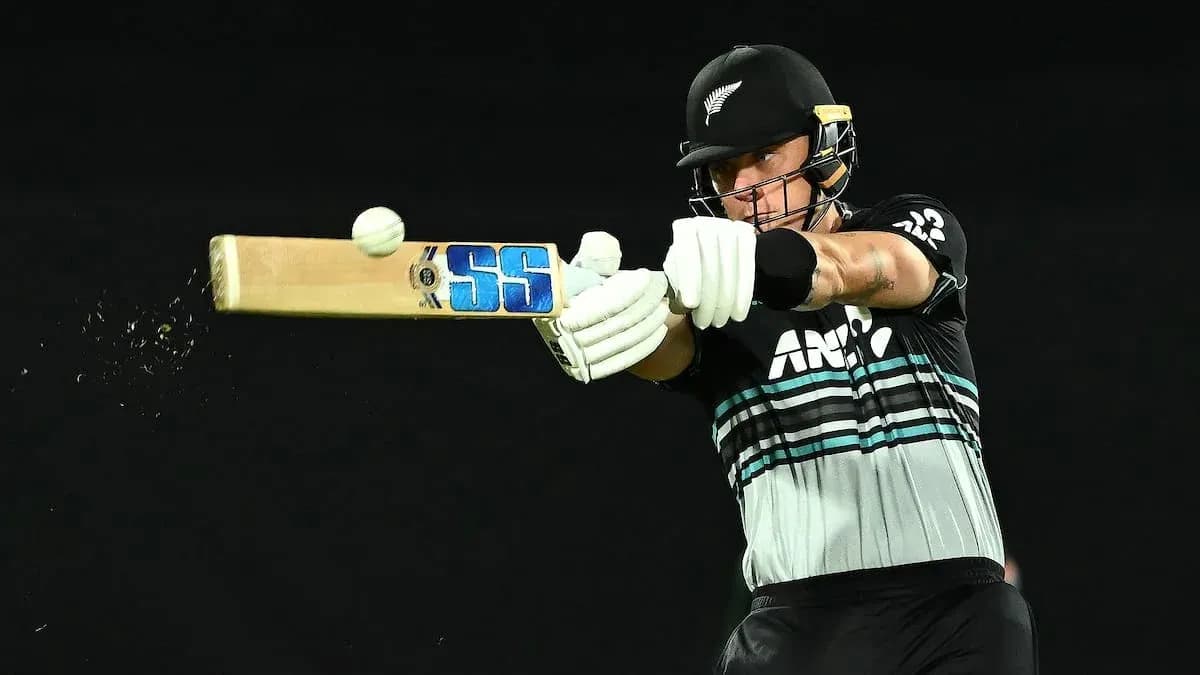
England Dominates Sri Lanka as Buttler and Brook Shine
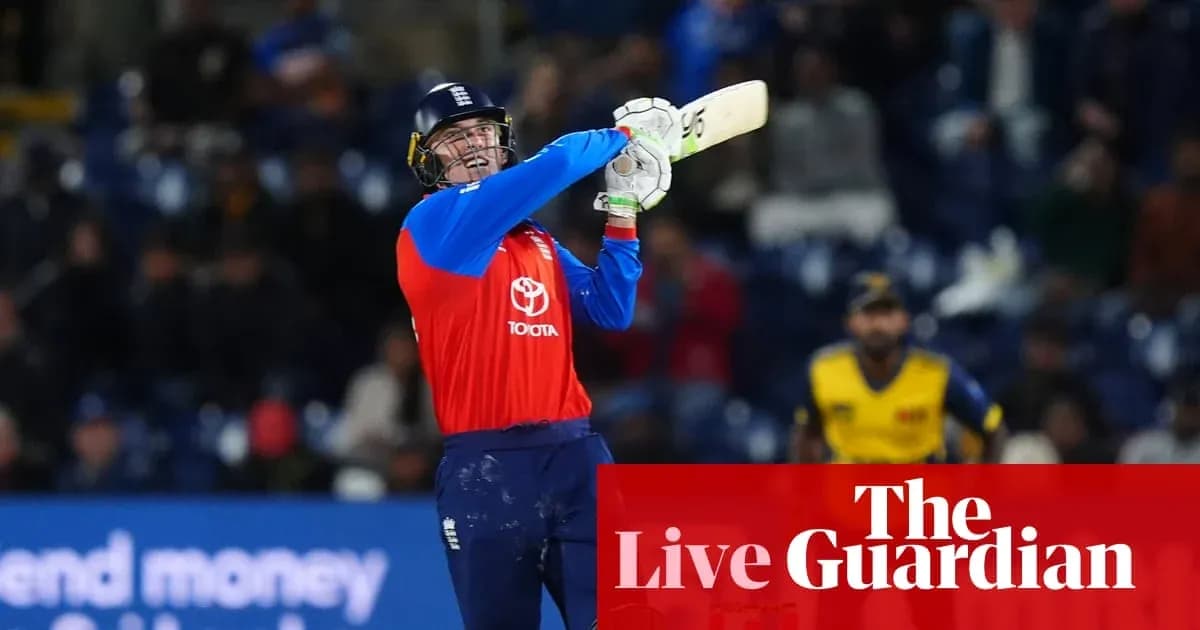
England made a target of 146 look almost insulting in Cardiff, swatting Sri Lanka aside to seal the three‑match series with a swagger that underlined just how far apart these sides sit in white‑ball cricket.
Sri Lanka had begun brightly at 55-0. They finished 149-8. England, in reply, needed only a few overs to show that on this surface, against this attack, the game was never really in doubt.
Dawson’s spell flips the script
For the first four overs of Sri Lanka’s innings, England were the ones chasing. The tourists moved crisply, punished anything loose and looked set for something far more imposing than what followed.
Then Liam Dawson came on.
Introduced in the fifth over, the left-armer changed the feel of the contest almost immediately. His control and subtle changes of pace broke the rhythm Sri Lanka had carefully built. Two wickets in his early spell didn’t just dent the scorecard; they ripped out the innings’ structure.
From there, Sri Lanka never truly recovered. Every attempt to rebuild ran into another layer of England’s attack. Jofra Archer’s pace, Adil Rashid’s guile, the discipline of the support cast – they all piled in once Dawson had cracked the door open.
Dasun Shanaka’s dismissal summed it up. Desperate to inject life into a flat effort, he heaved Dawson high into the leg side. Tom Donald, who had already shelled one in the over, misjudged the flight again, had to dive forward, and this time clung on, trapping the ball between his thumbs. Relief for him. Deep trouble for Sri Lanka.
Dawson walked away from his spell with just four runs and a wicket from one over in that phase, but the numbers barely captured his impact. He turned a free-flowing start into a crawl.
Middle overs: England squeeze, Sri Lanka stall
Once the slide began, it gathered speed.
Craig Overton chipped in with a clever slower-ball cutter to remove Kusal Mendis for 12, the batter cramped and bowled as he tried to run the ball down. Rashid, brought on around the 10-over mark, immediately tightened the screws. Even on a small ground, he was the bowler Sri Lanka least wanted at the death.
Charith Asalanka did his best to anchor, nudging, grafting, waiting for a platform that never really came. He reverse-swept Rashid for four, hauled Overton wide of mid-off, and eventually tried to go over the top when the leg-spinner returned. It was a gamble he had to take. It ended in Overton’s hands at long-off for 31.
Wanindu Hasaranga briefly threatened to drag Sri Lanka to something competitive. He skipped down to Dawson, opened up leg-side space and launched six to long-on. Next ball he went straighter, thumping four back over the bowler’s head. When he uppercut Archer over the man at 45 and forced two more down the ground, there was a flicker of resistance.
But England kept landing punches. Baker, mixing pace-off with back-of-a-length cutters, proved a handful. Sri Lanka struggled to line him up, scratching around for singles and miscues. Hasaranga finally lost patience, aiming another big swing and sending the ball miles into the Cardiff sky. Dawson, under it for what felt like an age, shooed away teammates and held a tricky catch to remove him for 27.
Baker’s figures told their own story: 1-15 from four overs, including a wicket maiden in the 19th. In a format that rarely forgives bowlers, that was serious work.
By then, Sri Lanka were 141-7 and clinging to the hope of a late surge that never arrived.
Archer closes it out
Archer, back for the 20th, finished the job with ruthless simplicity. Full, straight, too good for Dushmantha Chameera, who lost his middle stump for 0. From 55-0 to 142-8 in the final over, Sri Lanka’s slide looked every bit as brutal on the scoreboard as it had in real time.
There were late scrambles – a thin edge here, a miscued hack there – but nothing that could disguise the reality. Sri Lanka’s innings had broken down long before the last ball.
England walked off needing 146 to win. On this pitch, with this batting order, it felt light. It was.
Buttler rewrites the record book
Jos Buttler and Tom Donald walked out with the mood of a side that knew it. Donald, on his home ground, took just a few deliveries to turn the noise up. Facing Chameera in the second over, he stepped away, flipped over his own head for six, then cuffed another over the bowler for four. A mis-hit through midwicket still raced away for four more. Sixteen came from the over, Sri Lanka already chasing angles in the field.
Buttler, quiet early, then began to unfurl. Against Madushanka, he leaned into one and stroked four past mid-on. Seeing the bowler pull his pace back to counter a scoop, Buttler simply reverse-scooped him for another boundary, the speed of his hands and decision-making almost indecent. He shimmied down to crack a cover drive, then carved over deep backward for two. When he made room and hammered over wide long-off, Sri Lanka looked short of fielders and answers.
By the time Hasaranga entered, England were cruising at 48-0. The leg-spinner’s first over went for singles and a dot, until Buttler rocked back to a short ball and launched it out of the ground and into the river. A single from the final ball made it eight from the over, but the damage was already psychological as much as numerical.
Malinga arrived and found no mercy either. Buttler nudged to point to move to 14,999 T20 international runs, then ticked over to 15,000 – out on his own as the format’s leading scorer. It was a landmark befitting the innings: authoritative, controlled, utterly modern.
Donald eventually perished for 21, flaying at a slower ball and picking out Hasaranga at mid-on. Buttler followed for 30, top-edging a pull off Chameera to short third where the keeper called and claimed. Two wickets, but no shift in momentum. England were 55-2 and still barely out of third gear.
Brook detonates the chase
Harry Brook made sure the chase never even flirted with tension. His first statement came against Malinga, swaying back and gliding a ridiculous opening boundary through third man – a touch shot that most players would save for their tenth ball, not their first.
Then came the real assault.
Facing Hasaranga, Brook decided the contest needed ending. England were 79-2, the equation comfortable, the series there for the taking. He waited, then hauled the leg-spinner over square leg for six, the third of the innings. Sri Lanka had managed only two in their entire 20 overs.
After a dot, he went again, moving his feet to clear the front pad and launching another six over wide long-on. The crowd barely had time to settle before he did it once more, this time standing still and muscling a third six over midwicket. Three in the over, each more dismissive than the last. The chase turned into a procession.
Brook’s intent finally cost him, skying another big swing to deep square where Malinga flung himself forward to take a spectacular diving catch. He was out for 23, but by then the game was effectively over. The only surprise was that Sri Lanka had briefly threatened something more substantial with the bat.
England’s depth, Sri Lanka’s dilemma
What will stick from this match is the sense of depth and clarity in England’s approach. Brook captained with sharpness, setting fields with purpose, backing his bowlers to hit their plans. His call to keep mid-on up for Ratnayake late on brought a catch straight to him. His use of Dawson and Rashid split the innings perfectly. His trust in Baker was repaid in full.
Sri Lanka, by contrast, looked like a side that can land early blows but lacks the layers to sustain them. Once the first partnership broke, they could neither rebuild properly nor explode at the back end. Hasaranga and Asalanka fought, but they were fighting a rising tide.
England, as the scoreline and manner of victory suggested, are a serious T20 outfit again. The frustration for them is obvious: there is no World Cup until 2028. Performances like this will only sharpen the question.
How good can this group become by then – and who, in world cricket, will fancy facing them when it matters?