England Cancel West Indies Test for Ashes-Focused Red-Ball Reset
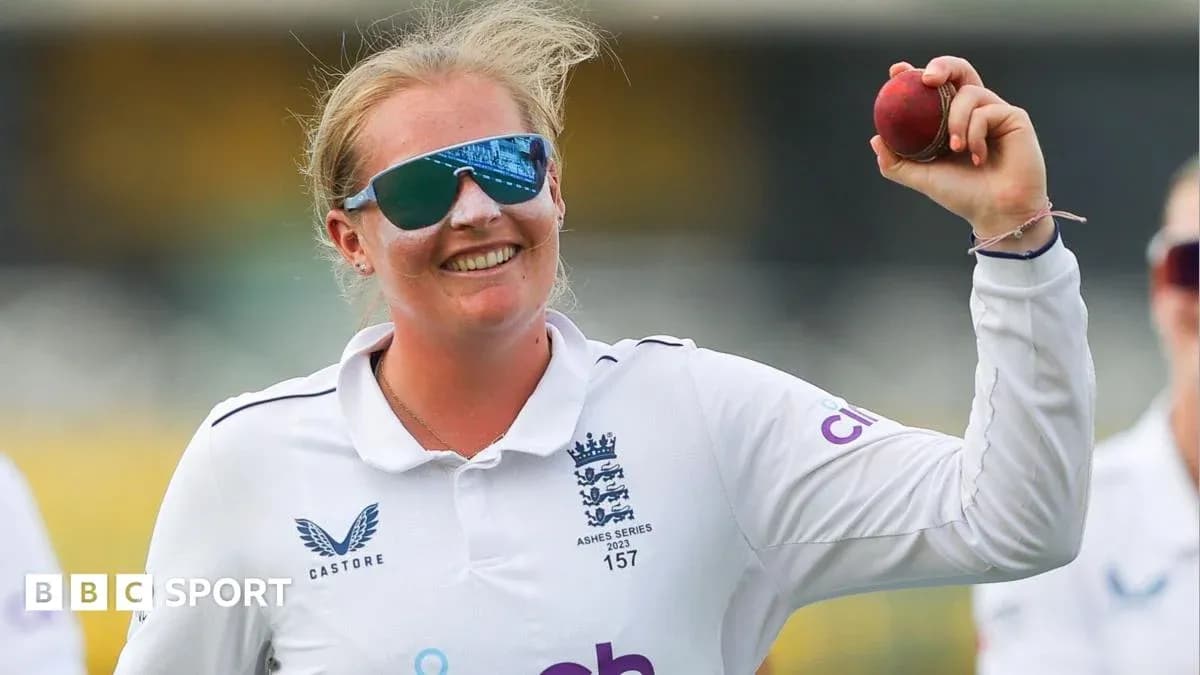
England’s women have ripped up their spring schedule and drawn a bold red line through a rare overseas Test. The April red-ball match in the West Indies is off. Every decision now leans towards one target: reclaiming the Ashes.
Instead of flying to the Caribbean for a one-off Test, Nat Sciver-Brunt’s side will stay closer to home and build a bespoke red-ball programme in conditions far more relevant to what awaits them next summer.
Ashes first, everything else second
England have barely played any Test cricket in the past two years. Just one outing since their innings defeat to Australia in Melbourne in January 2025 – the heavy loss to India at Lord’s – has underlined how undercooked they are in the longest format.
Next summer’s Ashes Test at Headingley, from 24-27 June, carries four points in the multi-format series. It could decide everything. England are treating it that way.
To get ready, the ECB has constructed a block of four red-ball fixtures. One will come against Australia A in a three-day match, a rare chance to face opposition in the colours and rhythms of an Ashes contest without the full pressure of the main event. The other three games will be hard-edged, intra-squad “best v best” matches – England against England, with places and reputations on the line.
On top of that, there is a 10-day red-ball training camp in Bangalore in January, a warm-weather immersion designed to harden skills and sharpen minds before the home summer.
Across those camps and matches, England expect to use 26 or 27 players. This is not a cosy, closed shop; it is a stress test of the entire red-ball pool.
West Indies left with white-ball only
The decision has immediate consequences for the West Indies. Their home schedule against England is now trimmed to three T20s and three one-day internationals. No Test, no rare chance for their women’s side to step into a format they have almost never been allowed to play.
The numbers are stark. West Indies have not played a women’s Test since 2004. That was their only red-ball match in 47 years. For a generation of Caribbean players, Test cricket is something they watch, not something they do.
Financial strain has long hung over the idea of hosting women’s Tests in the region. CWI chief executive Chris Dehring recently made the challenge plain, telling BBC Sport: “We would welcome any assistance of our much wealthier member boards. It is very expensive to host cricket in the Caribbean.”
That line sparked suggestions the England and Wales Cricket Board might have to step in and help fund the fixture to make it viable. It has not happened. BBC Sport understands the ECB’s call to cancel the Test is being framed internally as a performance decision, not a financial one – a move made to give England the best possible shot at the Ashes rather than to avoid picking up a bill.
A deliberate red-ball gamble
Whatever the nuance, England have chosen control over romance. A Test in the Caribbean would have carried prestige and symbolism, especially for a format that so rarely features in the women’s game. But the ECB has opted for a tightly managed build-up instead of one isolated overseas Test in unfamiliar conditions.
“A 10-day warm-weather red-ball camp in India followed by four further matches in English conditions will provide Charlotte Edwards and her team with the appropriate game time to be ready for that challenge [of Australia],” said ECB chief executive Richard Gould.
The message is clear. England want their players facing Dukes balls, English pitches, and each other at full tilt. They want batters grinding through long spells in Leeds-like conditions, bowlers learning how to prise out wickets on surfaces that will look and feel a lot like Headingley in late June.
“Best versus best in English conditions provides a valuable opportunity for the team,” Gould added. “It also allows us to assess our strength in depth, give opportunities to more players and get a number of competitive multi-day cricket matches across a longer period into the wider group.”
That phrase – “strength in depth” – is crucial. England know Australia’s dominance in the women’s game has been built on exactly that: layers of players, all hardened by regular high-quality cricket. This red-ball reset is an attempt to close that gap with structure, not hope.
A wider question for the women’s game
England’s move exposes a fault line in the women’s calendar. If one of the richest boards in the sport is cancelling women’s Tests to focus on performance blocks at home, what does that mean for the format’s future elsewhere?
For West Indies, the wait for a second women’s Test goes on. For England, the path is set: ten days in Bangalore, four red-ball matches, and then Australia at Headingley with four Ashes points on the table.
If this gamble pays off and England walk out in Leeds sharper, tougher and better drilled than at any point in recent memory, it could become the template. If it doesn’t, the question will come back with force: how can women’s Test cricket grow when even the biggest series in the game is being prepared for without it?