David Warner Accuses Cricket Australia of Cover-Up in Ball-Tampering Scandal
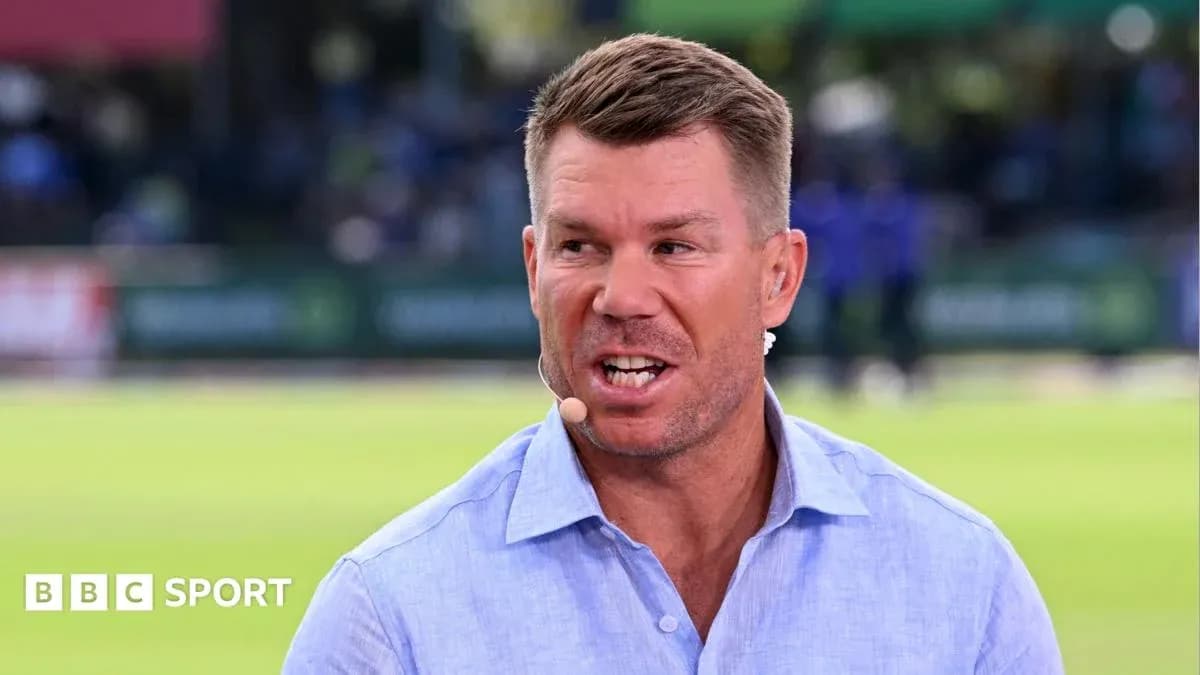
David Warner has reignited the most toxic saga in modern Australian cricket, accusing Cricket Australia of a “cover up” over its handling of the 2018 ball-tampering scandal in South Africa.
The former vice-captain, who along with Steve Smith and Cameron Bancroft served lengthy bans for his role in the Cape Town affair, has turned his fire on the original investigation, claiming it was narrow, selective and designed to protect a pre‑determined narrative.
The controversy, which once seemed to be fading into the game’s rear-view mirror, has roared back after Usman Khawaja’s explosive autobiography reopened old wounds. In the book, Khawaja alleges the entire Australia team knew about the use of sandpaper to alter the condition of the ball during that fateful Test.
Warner has now gone a step further, directly questioning the integrity of the inquiry conducted by Cricket Australia in the immediate aftermath.
“As far as I am aware, CA did not interview Josh Hazlewood, Mitchell Starc or Nathan Lyon in their 2018 investigation,” Warner said.
“If that's correct, then how can CA push the idea that the bowlers didn't know?
“It looks like they had decided who they wanted to blame from the very beginning, ran a shoddy investigation to serve the purpose and now they want to maintain the false narrative that the bowlers had no idea.
“That stinks of a cover-up.”
Those words land squarely on the reputations of Australia’s vaunted attack from that tour: Hazlewood, Starc, Lyon and Pat Cummins. All four have consistently maintained they had no knowledge of the plan to use sandpaper on the ball.
Cummins, now Australia’s Test captain and the public face of the national side, moved quickly to defend himself and his fellow bowlers, revealing at an extraordinary news conference on Friday that he was, in fact, interviewed as part of the original probe.
That detail cuts directly across Warner’s assertion and underlines just how fractured the recollections – and loyalties – around Cape Town remain.
Cricket Australia, suddenly dragged back into a scandal it has long tried to park, issued a firm response to Warner’s accusations.
“As we have stated previously, all players were given the opportunity to speak at the time of the initial investigation and have had the ability to come forward with new evidence in the eight years since,” CA said.
“Subsequently, CA has respected every player and former players' right to provide their own version of events.”
On one side, a governing body insisting the door has always been open. On the other, one of the central figures in the scandal alleging key voices were never properly sought.
The bowlers’ stance has not shifted: they say they did not know. Warner is now publicly asking how that position can be defended if, as he believes, some of them were not even questioned.
Six years on from Cape Town, the bans have been served, careers rebuilt, and trophies lifted. Yet the central question refuses to die: has the full story of what happened with that piece of sandpaper ever truly been told?