Cricket Australia Embraces Private Ownership in Big Bash League
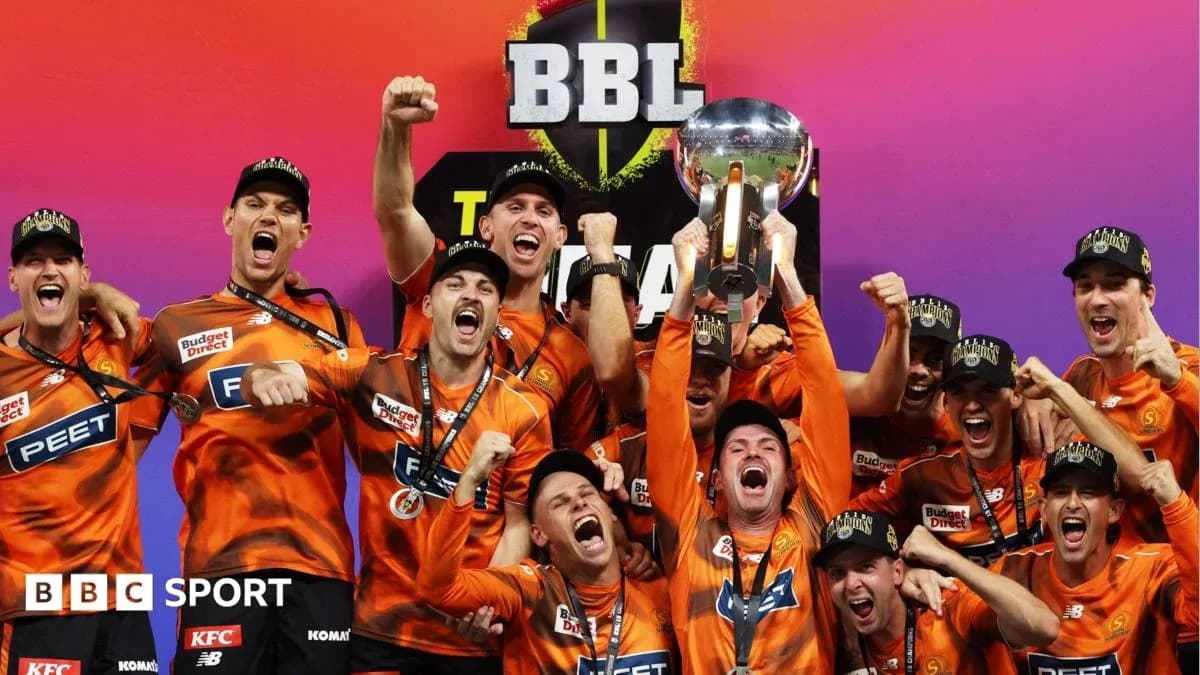
Cricket Australia has taken the Big Bash into a new era, opening the door to private investment and putting the future of its T20 flagship in the hands of the states.
The governing body has abandoned its original plan for a league-wide sale of Big Bash League (BBL) and Women's Big Bash League (WBBL) franchises after stiff resistance from New South Wales and Queensland. Instead, it has installed what it calls a “self-determination model” – a structure that hands each state association the power to decide if, when and how it sells a stake in its club.
The shift is dramatic. The message is clear: the money is coming, but only where it is wanted.
Renegades go first as test case
The first club on the block is Melbourne Renegades, and they are not dipping a toe in the water. Cricket Australia has invited bids to purchase 100% of the Renegades licence, with the aim of the club playing under new ownership from the 2027-28 Big Bash season.
Until then, the Renegades will effectively be a holding asset. Cricket Australia will run the club in a caretaker capacity for the coming campaign, with the sale process ring-fenced so it does not affect the 2026-27 BBL or WBBL seasons.
This is the template. If the Renegades sale lands at the right price and with the right partner, more clubs are likely to follow.
“Pending the result of that process, Cricket Australia will consider taking other clubs to market under a self-determination model that gives each state member the ability to assess the optimal pathway for its own club and community,” the governing body said in a statement.
The Hundred’s shadow – and opportunity
The move does not come in isolation. It follows the England and Wales Cricket Board’s decision last year to sell stakes in the eight teams of The Hundred, a deal that generated more than £500m and valued the competition’s franchises at more than £975m collectively.
Those numbers have not gone unnoticed in Australia.
Officials from Cricket Australia met some of the owners involved in The Hundred during the recent northern summer, and several of those investors have already signalled interest in the Big Bash. The global franchise market has cash to spend, and the BBL’s brand, time zone and history make it a natural target.
Cricket Australia has labelled the decision a “landmark step” for the domestic T20 tournament. The Renegades sale is the first real test of what the Big Bash is worth in a world where private money is flooding into short-form cricket.
Divided states, one framework
Behind the scenes, the politics have been just as important as the balance sheet.
New South Wales and Queensland pushed back hard against a centralised, league-wide sale. They have now effectively won the right to keep their distance, at least for now. Under the self-determination model, the two Sydney clubs – Sixers and Thunder – along with Brisbane Heat and Adelaide Strikers, are not compelled to sell and remain reluctant to commit to private investment.
Others are already eyeing the market. Hobart Hurricanes, Melbourne Stars and Perth Scorchers are understood to be keen to explore external funding, seeing it as a chance to grow faster and compete harder.
The new model gives everyone cover. Those who want to chase private capital can move. Those who prefer to stay under traditional state control can wait, watch, and decide later.
Cricket Australia chair Mike Baird insisted the compromise still reflects a united front.
He said the governing body and state associations were “united in our commitment to investing in and growing the BBL and WBBL” and in “advancing the interests of cricket at every level”.
Control stays at the top
Private money will not mean a free-for-all. Cricket Australia plans to retain firm control over the levers that shape the competition.
International scheduling, player availability, salary caps and media rights will remain in Cricket Australia’s hands. The governing body will also hold the power to approve or veto potential investors and will set a reserve price for the sale of the Renegades.
So, investors can buy into a club, but not into the rules of the game.
Baird framed the move as a calculated step rather than a rush for cash.
“By opening the door to private investment in the Big Bash Leagues, Cricket Australia is taking a deliberate step to strengthen and secure the long-term future of the game,” he said, adding that the investment can “accelerate growth” and help ensure continued funding for community cricket, grassroots participation, domestic and international pathways and the elite level.
The stakes go beyond the BBL and WBBL. This is about the financial engine that powers the entire Australian cricket pyramid.
Big money, big questions
Cricket Australia has watched as franchise leagues around the world have transformed the sport’s economy. The Hundred’s sale set a benchmark. The Indian Premier League continues to set the pace. The Big Bash, once the rebel innovator, now needs fresh energy to keep up.
Private investment promises exactly that: capital for facilities, marketing, fan engagement and player recruitment. It also brings sharper expectations, tougher scrutiny and a more ruthless business edge.
Cricket Australia says it is still in “constructive discussions” with the Australian Cricketers’ Association over an ongoing pay dispute. That backdrop matters. New money, new owners and new valuations will inevitably feed into future debates over how the game’s wealth is shared.
For now, though, the spotlight falls on one club in red.
If the Melbourne Renegades sale lands as Cricket Australia hopes, the self-determination era of the Big Bash will truly begin. If it stutters, the rest of the league will be watching closely – and wondering how far, and how fast, Australian cricket really wants to go down the private ownership path.