Max Kruse Questions Joshua Kimmich’s Leadership Qualities
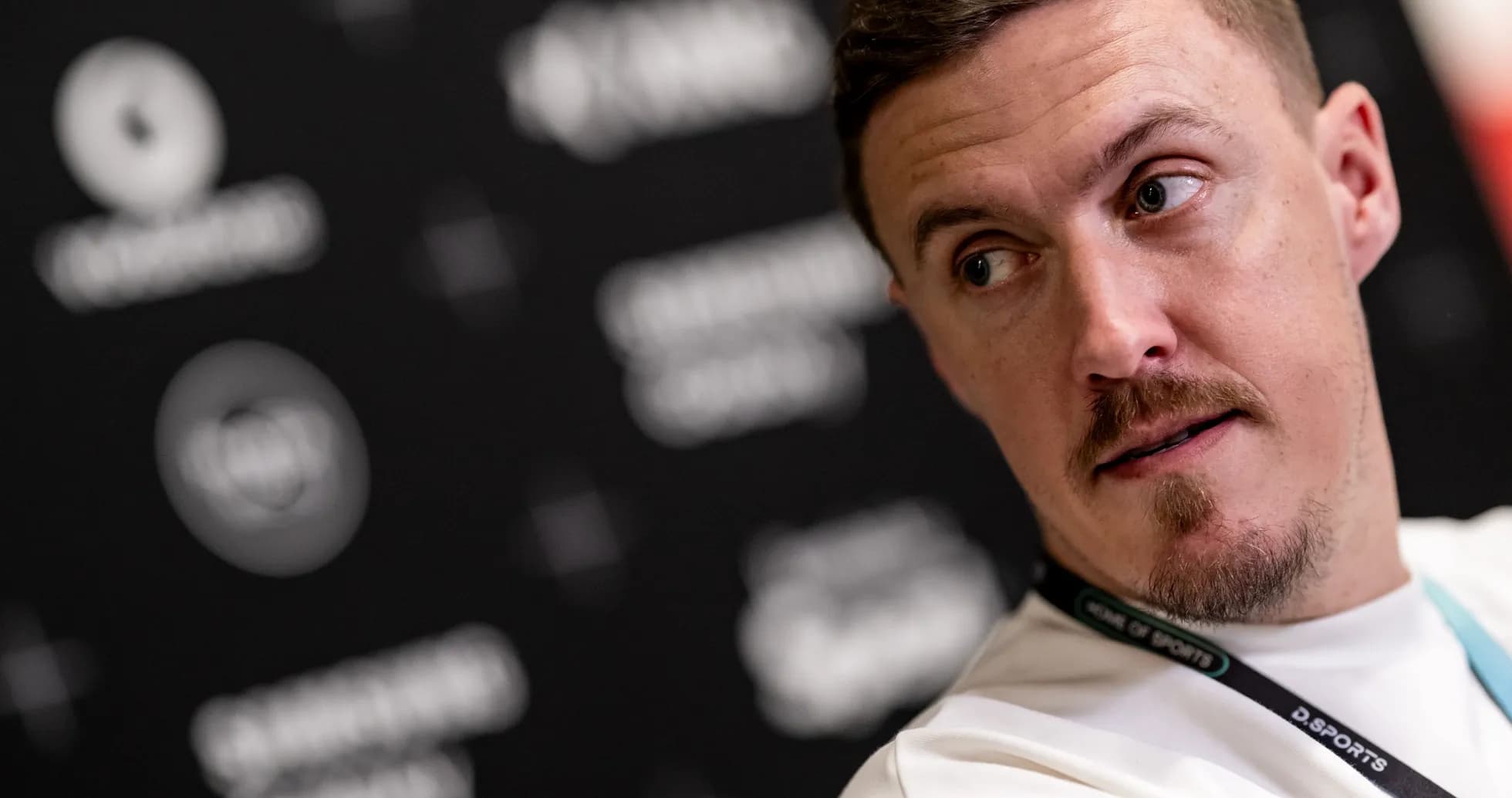
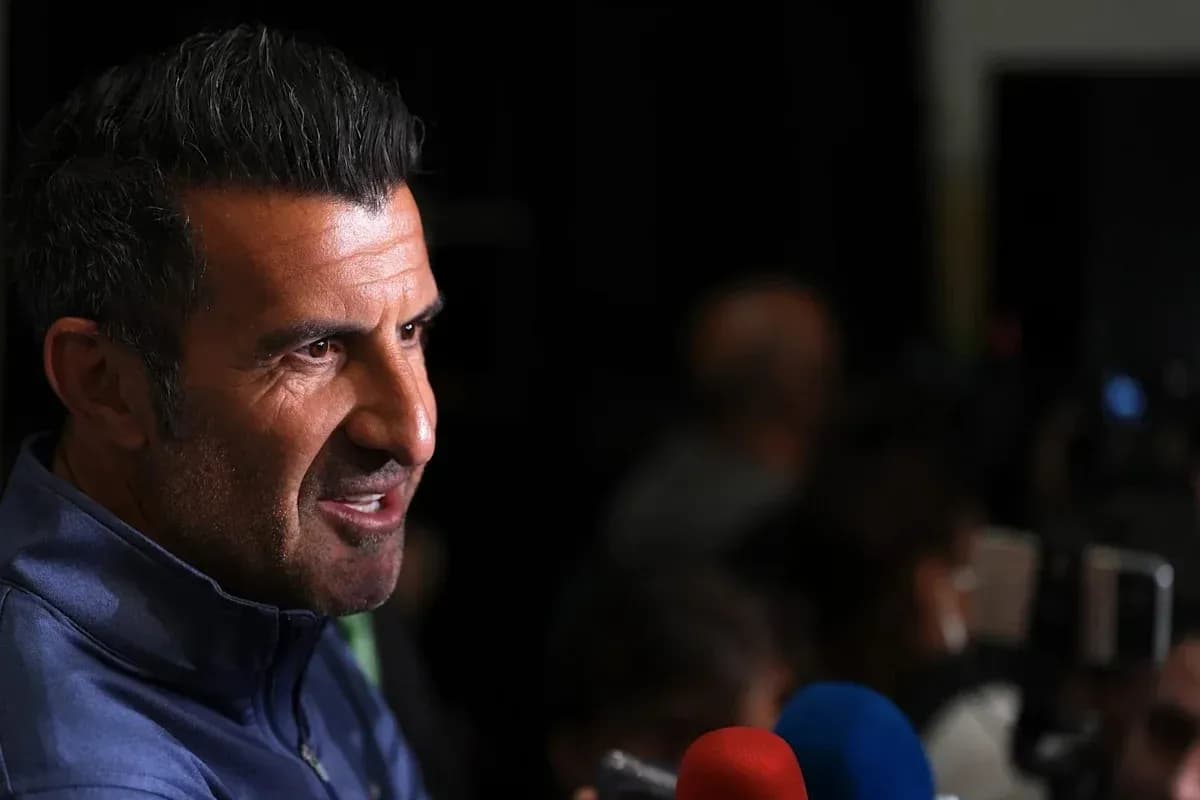
Max Kruse has never been one to bite his tongue. At 38, the former Germany international has stepped firmly into pundit territory, and he’s gone straight for the heart of the debate around the new Jürgen Klopp era: leadership. Real leadership. The kind with scars, not polish.
And at the centre of it all stands Joshua Kimmich.
Kruse questions Kimmich’s captain credentials
Kruse has lined up behind a familiar argument once pushed by ex-DFB boss Oliver Bierhoff – that the national team has lost its edge, its natural alphas. In his eyes, the current Germany squad is full of tidy professionals but short on “genuine leaders with rough edges.”
Kimmich, he says, is not the answer to that problem.
“For me, Joshua Kimmich is not a leader player either, despite the armband at Bayern,” Kruse argued, cutting straight through the usual reverence that surrounds the 31-year-old.
He didn’t leave it at a throwaway line. Kruse spelled out his own definition of what a leader on the pitch should be.
Leadership, he insisted, is not something you inherit with a piece of fabric on your sleeve or by flying into tackles. “Leadership is not shown only through the captain's armband and hard challenges, leadership is so much more. For me, Kimmich is not the right man for that,” said the 14-cap international.
One issue bothers him more than anything in the current DFB setup. The personalities, he feels, have been ironed out of the squad. The team, in his words, lacks distinctive characters “because everything has been smoothed out.” In other words: too many model pros, not enough natural bosses.
Klopp’s answer: Kimmich at the heart of Germany
Inside the Germany camp, the view is very different. Klopp, only just beginning his tenure but already reshaping the national side with an XXL squad of 44 players, has nailed his colours to the mast. He sees Kimmich not as a problem, but as a pillar.
“Where is Jürgen Klopp planning to use Joshua Kimmich in the Germany team?” has become a live question after Kimmich’s World Cup detour at right-back. Back then, needs must. Now, Klopp wants him back where Kimmich believes he belongs.
“We see him as a midfielder,” Klopp stated plainly. “We have not had a single conversation in which we spoke about him as a right-back.”
No ambiguity. No tactical flirting with the idea of shunting him wide again. In Klopp’s blueprint, Kimmich will organise the defensive midfield, dictating the game from the centre and anchoring a side that has been crying out for structure.
But endorsement comes with expectation.
Klopp has already set down a marker for his captain ahead of the next run of fixtures. “Stability only comes from the defence, from how you work defensively – and for that I need every single one. The point now is that we commit ourselves to that. That applies to Jo just as it does to everyone else,” he underlined when presenting his squad.
It was both a backing and a challenge. Kimmich will be trusted as a central leader. He will also be judged like one.
So the fault line is clear. On one side, Kruse, demanding raw, imperfect, vocal generals who drag a team through bad moments. On the other, Klopp, convinced that Kimmich can be exactly that from the middle of the pitch, if he drives the defensive work and sets the tone.
The armband is already his. The position is his again. Now the question hangs over this new Germany: will Kimmich grow into the kind of leader Kruse says the team no longer has – or remain the symbol of a smoother, more polished generation still searching for its edge?