Chadd Sayers Backs Usman Khawaja on Ball-Tampering Claims
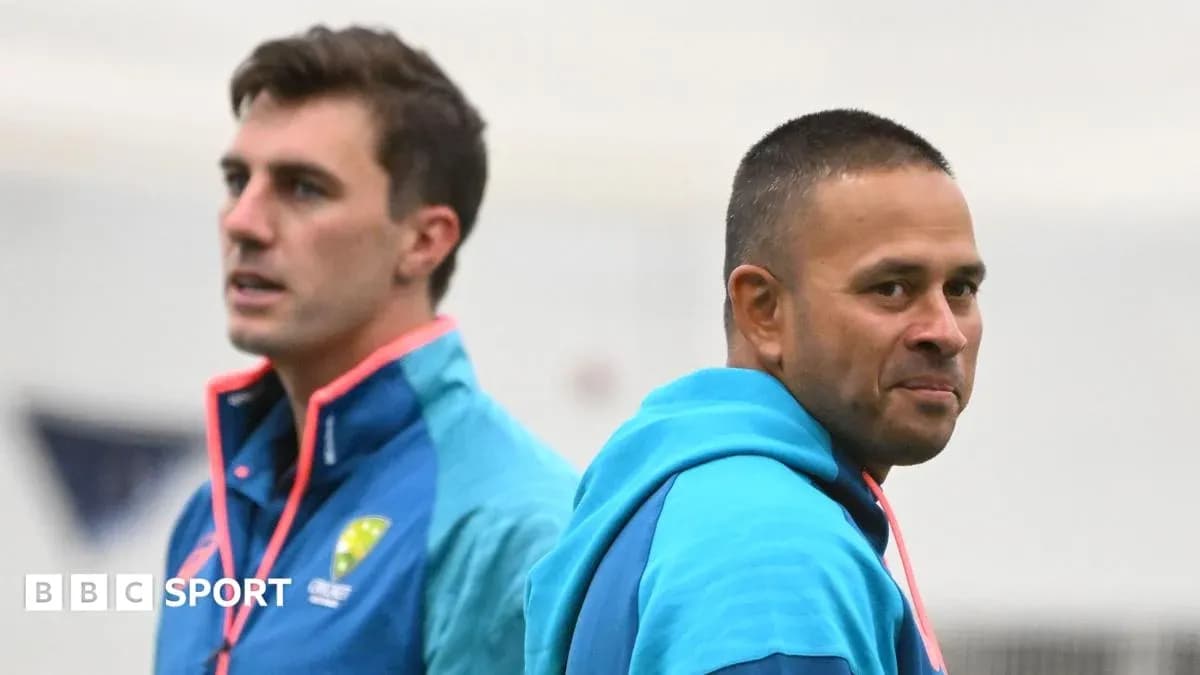
Chadd Sayers has stepped straight into the heart of Australian cricket’s most radioactive story and backed Usman Khawaja’s version of events over captain Pat Cummins, insisting he believes “everyone knew” about the ball-tampering plan before Cape Town.
The 39-year-old former seamer, who played his only Test in the final match of that 2018 tour, was 12th man during the second Test in Gqeberha. Speaking on SEN Radio, he supported Khawaja’s claim in his book that sandpaper had already been used in that match – the game before the scandal exploded in Cape Town.
And he says he handled the evidence himself.
“It was given to me to take off,” Sayers said. “That wasn’t planned or anything. It was a wicket or drinks break after tea.”
No drama. No hushed code. Just a quiet handover as he walked off the field with a piece of contraband that would later detonate Australian cricket.
Sayers’ account cuts sharply against Cummins’ public stance. On Friday, in an extraordinary news conference, the Test captain said he did not remember a long post-play meeting in Cape Town where players supposedly discussed taking collective responsibility for the ball-tampering plot involving Cameron Bancroft.
Khawaja says that meeting happened. Sayers has now backed him.
“After the occurrence in Cape Town, we all sat in the changing rooms after that day’s play and, probably for 60 to 90 minutes, we talked about what had happened and I guess where to next,” Sayers said.
The pressure inside that room must have been suffocating. Bancroft had been caught on camera with sandpaper, the world had seen it, and the leadership of Australian cricket was about to be torn apart. According to Sayers, the players went into damage-control mode and wrestled with how to share the blame.
His memory is clear, and he doesn’t try to soften it.
“I am comfortable sitting here that I believe everyone in that side knew what was going on and what was being used,” he said.
“It [sandpaper] was used in two Test matches and there were discussions in the changing rooms.
“I’m not taking sides, it’s just my recollection of what took place.”
That line – “everyone in that side knew” – lands like a fresh blow in a saga Australian cricket has never fully escaped. It challenges the long-held notion that the plan was the work of a small rogue group and reopens questions about how deep the awareness ran in that dressing room.
Sayers is not a star of that era, not a central figure with a reputation to protect, but a fringe quick whose only Test came in the rubble of the scandal. That gives his testimony a different weight. He has little to gain, and no obvious narrative to defend.
His comments add another jagged edge to a story that refuses to fade, and they leave one uncomfortable question hanging over the so-called Sandpapergate clean-up: how complete was the truth that came out?