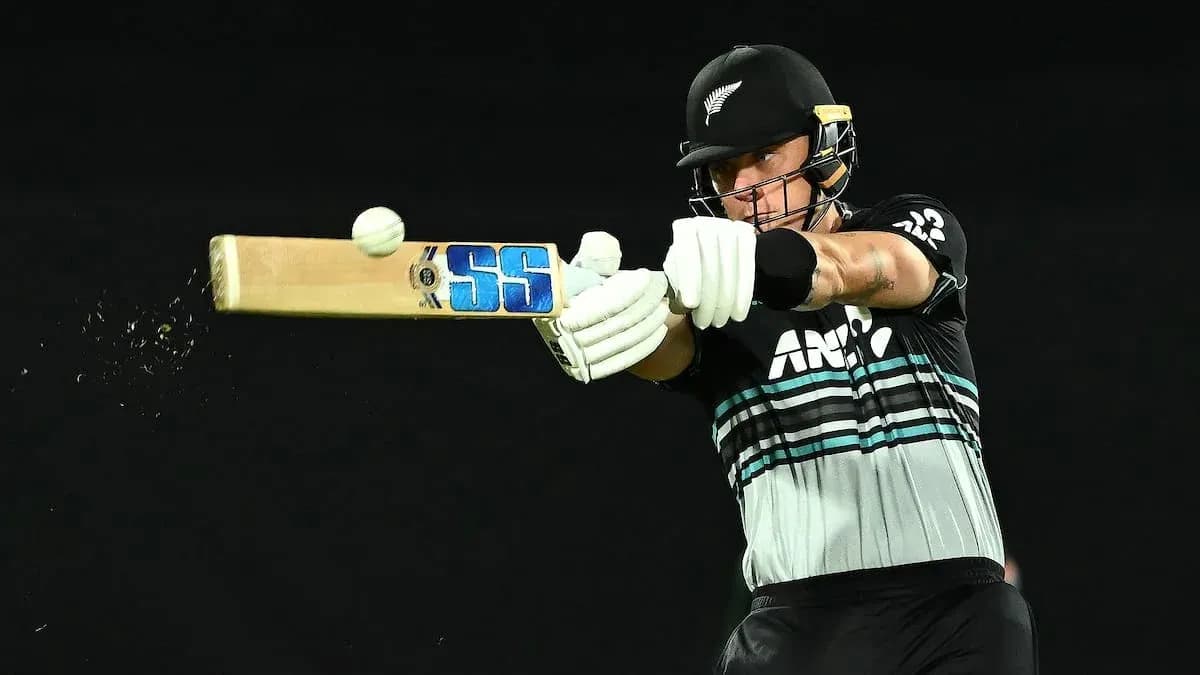
Brydon Carse Needs Time Away from England Spotlight
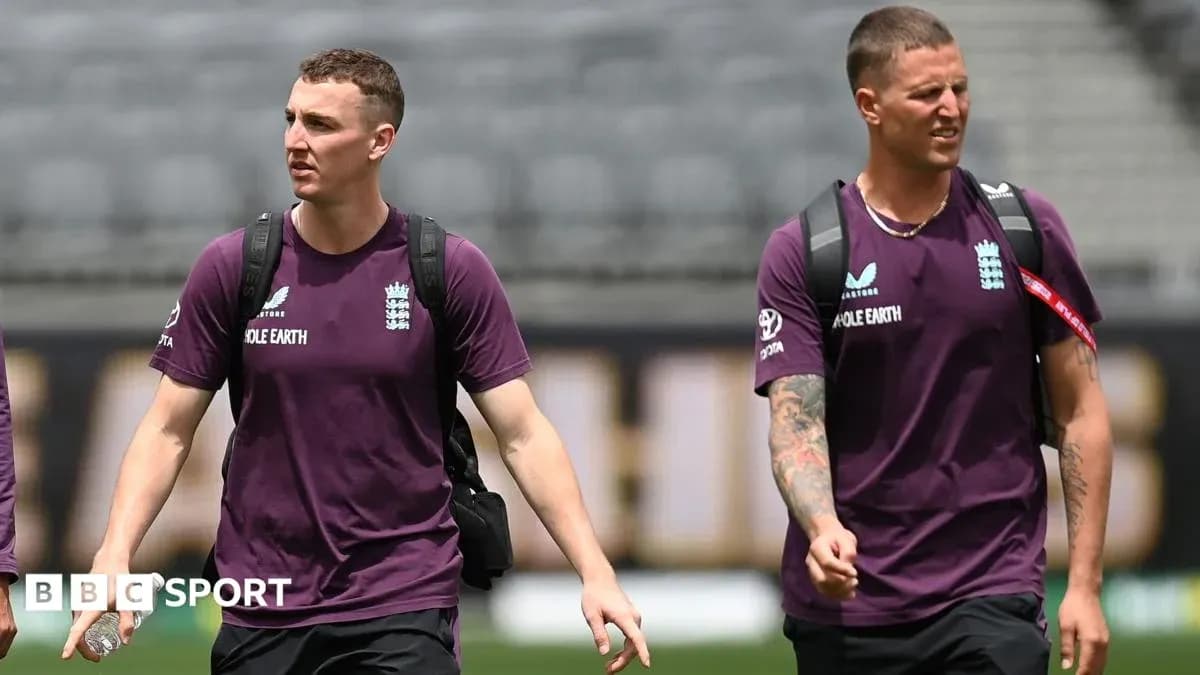
Harry Brook believes his close friend Brydon Carse needs distance from the England spotlight before any talk of a return can be serious.
Carse, the Durham fast bowler, has not played for England in any format since an incident on a night out in Derby in August, when he was arrested and then de-arrested. Derbyshire Police have now closed their investigation into an alleged assault with no further action, but Carse’s situation is far from resolved. The Cricket Regulator has opened its own inquiry, and the England and Wales Cricket Board has already signalled that the 31-year-old must “work through the issues that led to the Derby incident”.
Brook, newly installed as England’s white-ball captain, knows Carse as more than just a team-mate. They share an agent. They share a dressing room at Durham. They share a past.
“I’m very good mates with Carsey,” Brook told BBC Sport before England’s first one-day international against Sri Lanka at Chester-le-Street. “I’ve spoken a lot with him. I think he just needs time away from the international scene. He’s working on a few things behind the scenes and hopefully he’ll be ready at some point in the future.”
Those aren’t empty words from a distant colleague. Brook has his own scars. In October last year, on the eve of an ODI against New Zealand in Wellington, he was punched by a nightclub bouncer. He knows what it is to wake up and find your name leading bulletins for all the wrong reasons. Now 27, he says he can pass on that experience as Carse navigates the fallout.
The ECB line is clear. Carse remains technically available for selection, but both Brendon McCullum and new Test coach Stephen Fleming have drawn a firm line in the sand. McCullum has said the seamer must “get his house in order” before pulling on an England shirt again. Fleming, speaking at the weekend, underlined the “standards” expected of anyone representing the national side.
So the question is not about talent. It’s about timing.
“He’s a very good cricketer, we all know that,” Brook said. “He’s been bowling extremely well for Durham. When his time for selection is up, that will be a debate.”
For now, the debate is parked. England’s focus is on Sri Lanka, a three-match ODI series that opens in Durham and doubles as the first step on a long, deliberate march towards the 50-over World Cup in southern Africa in October and November 2027.
White-ball reset and a World Cup horizon
England arrive in the north-east riding a wave in T20 cricket. They dismantled Sri Lanka 3-0 in a lopsided series last week and have now won 23 of their past 26 completed T20 internationals. They are, in Brook’s words, “absolutely flying in that format”.
But the next global prize is not in the shortest game. It is the 50-over title, and England know they cannot treat ODIs as an afterthought.
“Naturally it does, with the World Cup being next year,” Brook said when asked if 50-over cricket now takes priority. “That’s not saying we’re taking anything away from T20 cricket at all… With the World Cup being just around the corner, and now we’ve solidified qualification, we can really start to home in on what the squad and XI is.”
That sharpening begins under new influences. Tuesday’s match is England’s first ODI since Kevin Pietersen joined the backroom staff as a mentor for the World Cup build-up. The former England batter, one of the most audacious players of his generation, opened his stint on Monday with a training session focused on playing spin – a pointed choice with Sri Lanka in town and a World Cup in southern Africa on the horizon.
On the field, there are adjustments. Adil Rashid, the senior leg-spinner and a key voice in any spin conversation, misses the series opener with a hand injury. Jacob Bethell is already sidelined after knee surgery, so Tom Banton will step up to open the batting.
A crowded road ahead
This ODI series is just the start of a relentless white-ball stretch. After Sri Lanka leave, England head to Pakistan in October for a one-day tri-series that again features the Sri Lankans. November brings three ODIs and five T20s in Australia against their Ashes rivals. Only then, in December, does the schedule flip back to red-ball cricket with a Test tour of South Africa – Fleming’s first series in charge.
The calendar leaves little room for breath. The T20 series in Australia finishes just a week before England’s solitary warm-up game in South Africa, a squeeze that will force some difficult calls on workload. Multi-format quicks such as Jofra Archer, Josh Tongue, Gus Atkinson and possibly Sonny Baker are expected to be rested from parts of the Australian leg to protect them for the Test and World Cup commitments that follow.
Selection announcements will come quickly. Squads for Pakistan and Australia, along with a new round of central contracts, are due next week. The Test party for South Africa will be named in October, a key moment in Fleming’s attempt to reshape a red-ball side that has drifted since its last major overhaul.
Trott returns to the England pathway
Away from the senior set-up, another familiar name is back in the England system. Jonathan Trott has been appointed England Lions head coach for their winter tours of West Indies, South Africa and Sri Lanka.
Trott, whose four-year spell in charge of Afghanistan ended in February, was a serious contender for the full Test job before Fleming’s appointment in July. He now replaces Andrew Flintoff, who stepped down in August, and will oversee the next wave of players pushing for promotion.
So England move into a white-ball-heavy autumn with new voices on the balcony, a clear World Cup target, and one of their quickest bowlers working out his future away from the glare. At some point, the debate over Brydon Carse’s return will arrive. The only unknown is what shape England – and Carse himself – will be in when that day comes.