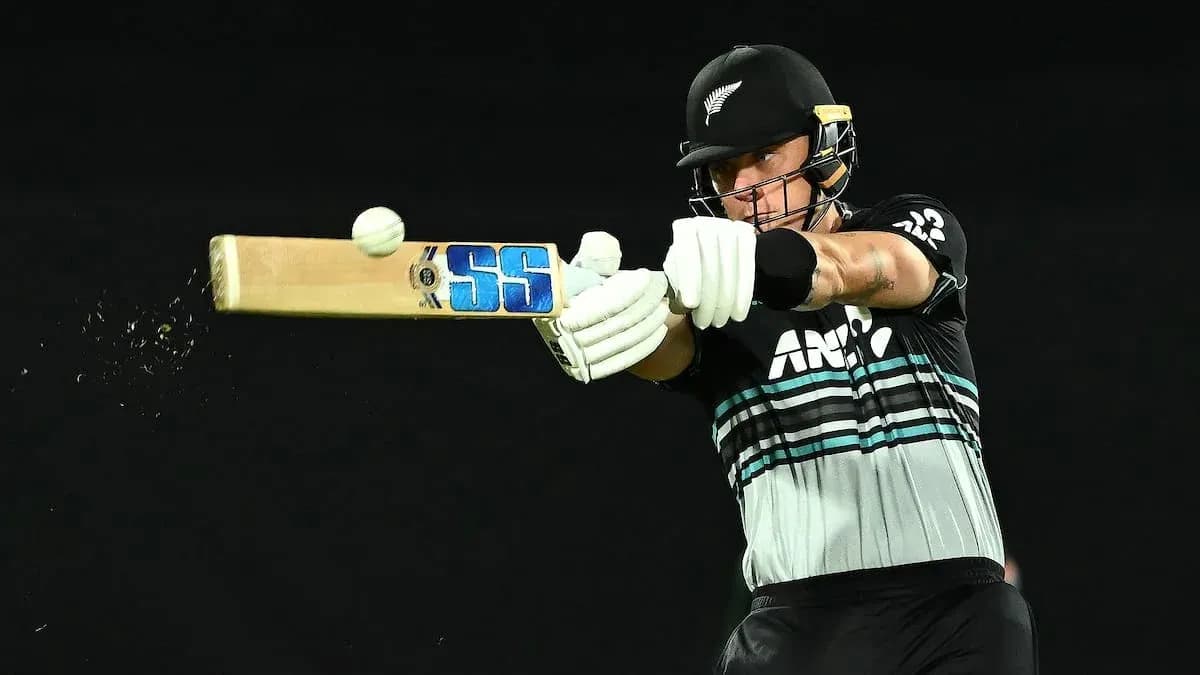
Brendan Taylor Sets Unique ODI Longevity Mark Beyond Tendulkar
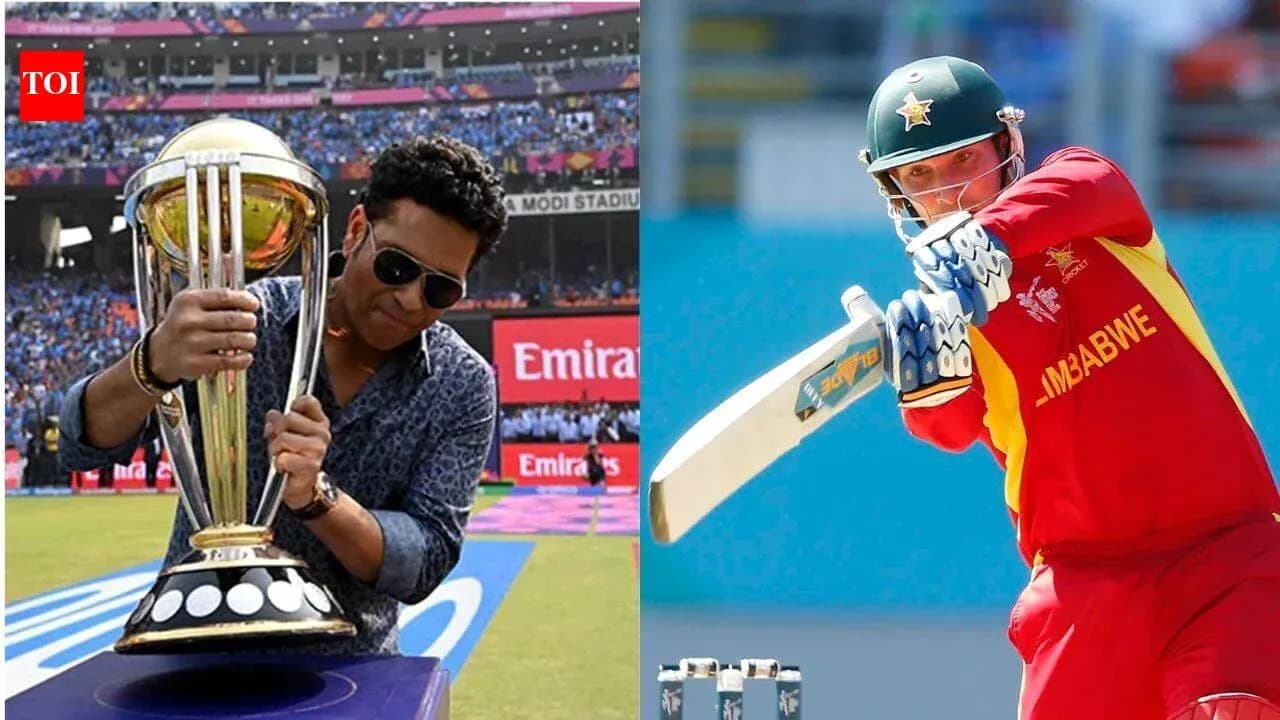
HARARE – On a bright Tuesday in Harare, a 40-year-old in Zimbabwe red quietly stepped into a space no men’s ODI cricketer has ever occupied. Brendan Taylor, back from retirement, back from suspension, walked out for Zimbabwe against Australia and moved beyond Sachin Tendulkar on one of the game’s most enduring timelines.
Twenty-two years and four months. That is now the length of Taylor’s ODI career, stretching from his debut in 2004 to this latest chapter in 2025. It edges past Tendulkar’s 22 years and three months in the format, a benchmark many assumed would stand untouched.
Tendulkar still owns the big mountains: 18,426 ODI runs, 463 appearances, records that define the format’s golden age. Taylor’s mark lives in a different category, one of survival, reinvention and a stubborn refusal to let his story end where it once seemed destined to stop.
Because this is no simple tale of a veteran trundling on. Taylor retired from international cricket in 2021. A year later, he was hit with a three-and-a-half-year ban for breaching the ICC’s Anti-Corruption and Anti-Doping codes, a sanction that appeared to close the book on one of Zimbabwe’s finest modern batters.
He served the suspension. He waited. And when the ban ended, with Zimbabwe gearing up to co-host the 2027 ODI World Cup alongside South Africa and Namibia, Taylor chose to come back. The country needed experience. He still had runs to give. The door, improbably, reopened.
By the time he took the field against Australia in Harare, Taylor had already carved out his place in Zimbabwean cricket history: 11 ODI centuries, a national record, from 207 matches before this game. He has long been the heartbeat of their batting, the player opponents targeted and home fans leaned on.
Now he is something else as well – the longest-serving men’s ODI cricketer the sport has seen.
The occasion arrived against familiar, powerful opposition. Australia, playing their first ODI in Zimbabwe in 12 years, won the toss and chose to bat, looking to impose themselves early on a surface they hadn’t tested in more than a decade.
Their captain, Mitchell Marsh, provided a neat link to that past. He is one of only three players on either side who took part in the last ODI between these teams in Zimbabwe, back in 2014 – a famous home win that still sits proudly in Zimbabwe’s recent cricket memory. The other two survivors of that day: Sikandar Raza and Brendan Taylor.
Raza now leads Zimbabwe, the all-rounder elevated to captaincy and tasked with steering a side trying to rebuild its reputation and results. His XI in Harare reflected that blend of renewal and experience: Brian Bennett and Ben Curran at the top, Innocent Kaia, Taylor and Craig Ervine forming the core, Raza himself in the middle order, followed by Wessly Madhevere, Brad Evans, Newman Nyamhuri, Wellington Masakadza and Blessing Muzarabani.
Across from them, Australia mixed familiar names with fresh faces. Marsh at the helm, Travis Head at the top, Cooper Connolly, Josh Inglis and Alex Carey offering flexibility with bat and gloves. Matt Renshaw and Ollie Peake added depth, while Xavier Bartlett, Nathan Ellis, Adam Zampa and Spencer Johnson formed a varied attack built to test Zimbabwe’s batting discipline.
The contest itself carried its own intrigue, but Taylor’s presence lent the day a different weight. This was not just another cap. It was the extension of a career that has seen Zimbabwe cricket at its most fragile and its most defiant, a span that has outlasted administrations, cycles and even his own temporary exit from the game.
Tendulkar’s ODI journey framed an era in which India rose to global dominance. Taylor’s, in its own way, charts the story of a smaller cricketing nation fighting to stay relevant, using every ounce of experience it can muster as a home World Cup looms on the horizon.
On this day, the numbers were simple. Tendulkar: 22 years, three months. Taylor: 22 years, four months and counting.
The next question is no longer how long he has been around. It is how much more he can still give as Zimbabwe build toward 2027, with a familiar figure back in the middle and a fresh chapter unexpectedly in motion.