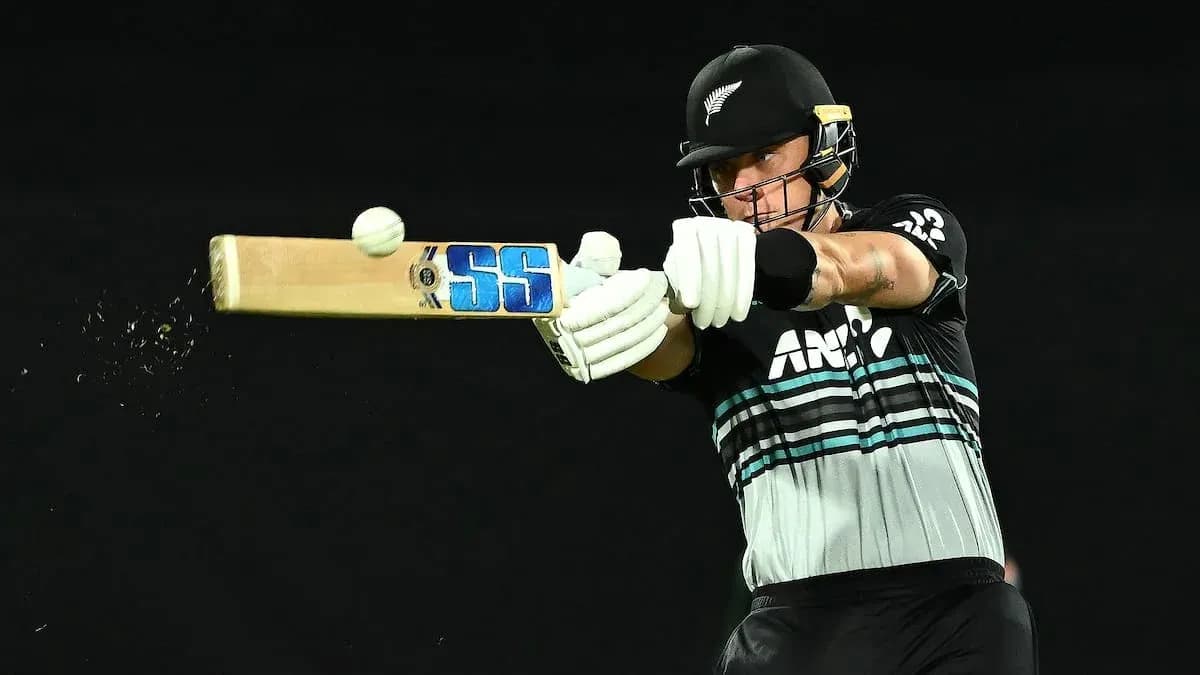
Brendan Taylor’s Record-Breaking ODI Career: A Tale of Longevity
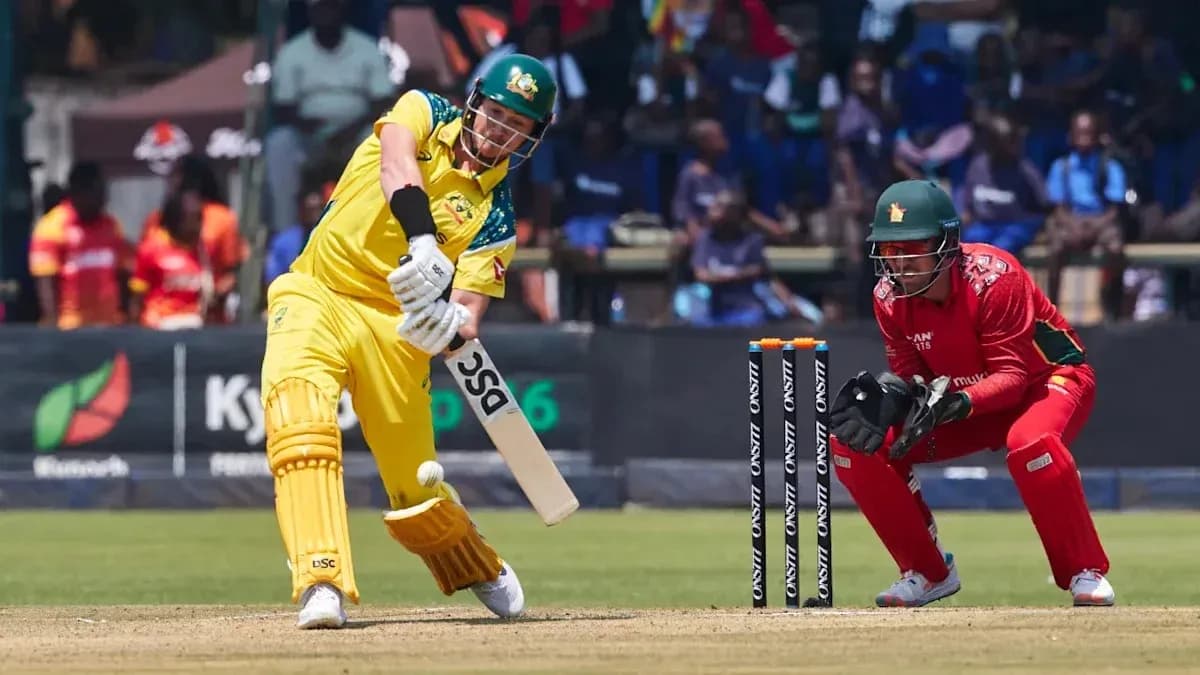
Brendan Taylor is no longer the swaggering middle-order force he once was. The bat doesn’t blaze quite as often, the feet don’t move quite as quickly. But as Australia’s quicks charged in at Harare to open the latest ODI series, the 40-year-old Zimbabwean quietly stepped into territory no one in the format has ever reached.
Longevity. Pure, stubborn, unglamorous longevity.
According to figures compiled by Wisden, Taylor’s ODI career now stretches an extraordinary 22 years and 148 days, the longest in history. That mark nudges him past Sachin Tendulkar’s previous record of 22 years and 91 days – a number that had come to feel almost untouchable in the modern, unforgiving international calendar.
It is just about the only statistical line where Taylor and Tendulkar intersect. One is an all-time giant of the sport, the other a giant of a cricketing outpost. But that’s precisely what makes Taylor’s achievement so striking.
He has done this from Zimbabwe. Through walkouts, boardroom chaos, financial crises and exoduses of teammates. Through years where the schedule dried up and others where defeats piled up. He has simply kept turning up.
Taylor’s numbers tell one story: 208 ODIs, 6,708 runs at 35.12, with 11 centuries. Solid, consistent, the profile of a player who has had to be everything for his side – anchor, aggressor, finisher, sometimes all in the same innings.
Tendulkar’s tell another: 463 ODIs, 18,426 runs, an average of 44.83 and 49 hundreds. That is a different stratosphere, the realm of a sport’s chosen few.
But strip away the scale of India’s cricketing machine and the glamour of packed subcontinental stadiums, and you find a shared thread between the “little master” and the man from Harare: time. Years and years of it. The grind of constant reinvention in a format that has morphed from 90s accumulation to 2000s aggression to 2010s power-hitting.
Taylor’s journey began back in April 2004, against Sri Lanka. Zimbabwe were already deep into a turbulent era; the team he debuted in bears little resemblance to the one that walked out against Australia this week. Coaches have changed, captains have come and gone, entire generations of teammates have retired or moved on. Taylor has remained.
Assuming he features in the remaining two matches of this three-game series, his ODI career will stretch to at least 22 years and 153 days. In an age when many international players squeeze their entire white-ball careers into a decade, that is staggering.
The contrast with Australia’s own greats underlines the scale of the milestone. Ricky Ponting, who felt like he was around forever in gold and green, played 375 ODIs across 17 years and 4 days between 1995 and 2012. Steve Waugh’s ODI life spanned 16 years and 25 days. Both are towering figures in Australian cricket history, yet their careers fall well short of Taylor’s in sheer length.
That is not a slight on Ponting or Waugh. It simply highlights how rare this kind of endurance has become.
Taylor’s record arrived on a day when Zimbabwe’s immediate concerns were far more pressing. They trail Australia 1-0 in the current series, beaten in the opener and now scrambling to stay alive ahead of Friday’s second ODI at Harare Sports Ground.
The Australians, stacked with firepower and depth, have their eyes on fine-tuning ahead of bigger battles to come. Zimbabwe, as so often, are fighting for respect, for momentum, for something tangible to show for the years of struggle.
In that fight, Taylor still stands at the heart of it all – older, wiser, carrying a record that even Tendulkar no longer owns.
The numbers will sit in a record book. The real question is whether Zimbabwe can turn his endurance into something more than a footnote and give the longest ODI career of them all the stage it deserves, while there’s still time.