BCCI Faces Accommodation Dilemma for Asian Games in Japan
The Board of Control for Cricket in India wants its players to live like stars in Japan. The Indian Olympic Association is making it clear: do it on your own time, and on your own dime.
In the build-up to the Asian Games in Aichi-Nagoya, a quiet tug-of-war has opened up over where India’s cricketers will sleep, eat and prepare. At the heart of it is a simple reality. The Asian Games run on one playbook; the BCCI often runs on another.
IOA draws the line
IOA CEO Raghuram Iyer has laid out the ground rules. If the BCCI believes the official Games hotels are not up to the standards its players are used to, it is free to go its own way. But every consequence of that choice will belong to the Board.
- Accommodation.
- Food.
- Local transport.
- Daily movement to and from the cricket venue.
All of it.
“The BCCI is taking care of its athletes, and sending an advance team is the right way to assess the facilities before making a decision. We are completely for the well-being of the athletes,” Iyer said, underlining that the IOA’s responsibility is to the entire Indian contingent across 36 sports, not just cricket.
The message is unmistakable. Cricket will not be treated as a special case inside a multi-sport Games ecosystem that has to function for thousands.
Three-star reality for five-star cricketers
For now, the organisers have already slotted both Indian teams into their accommodation grid.
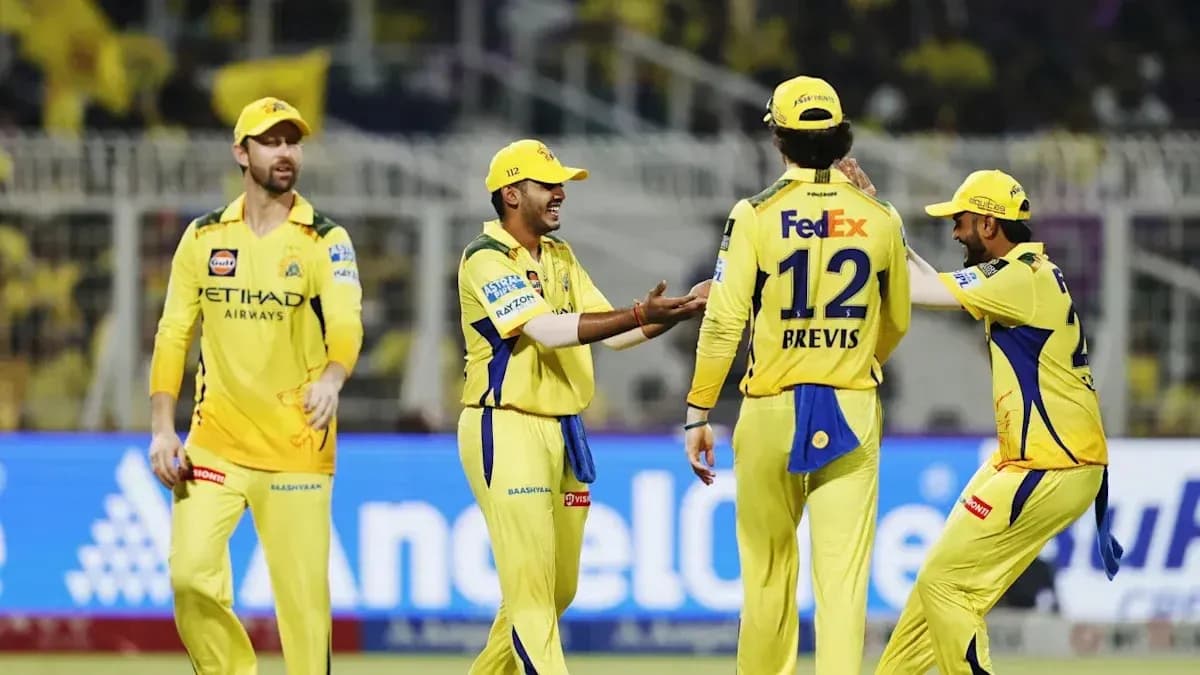
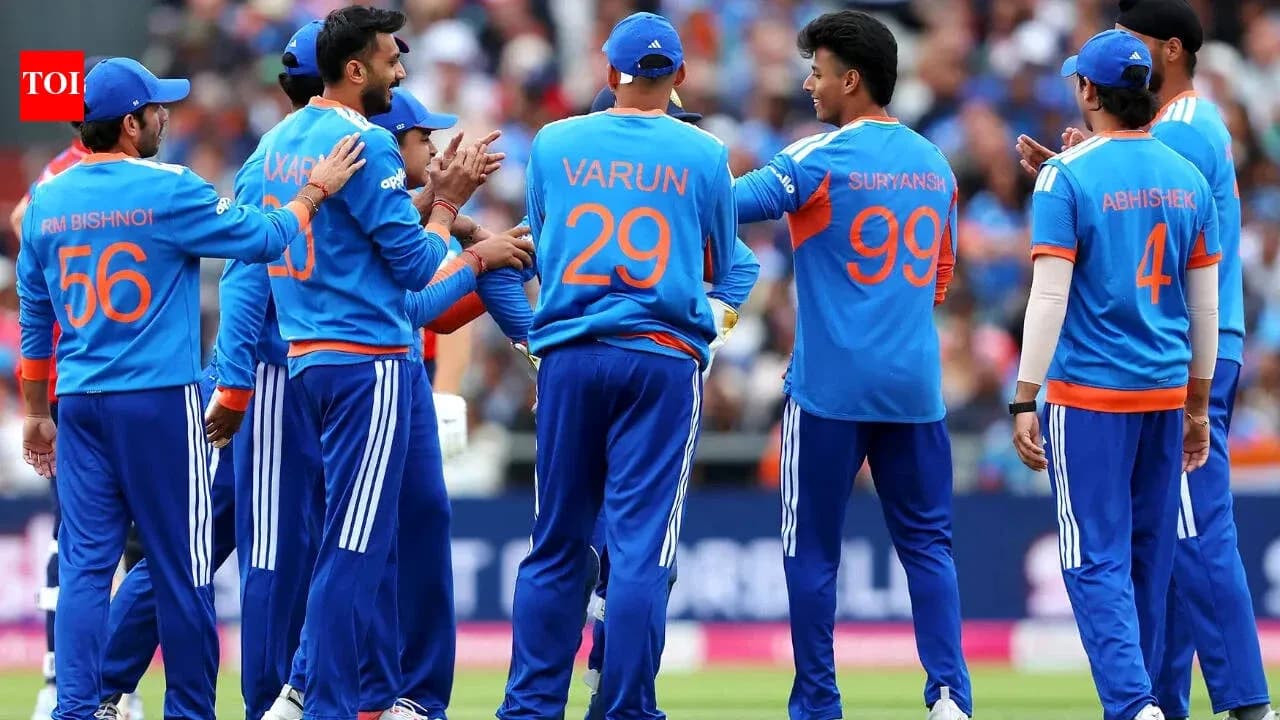
The men’s side, led by Shreyas Iyer, has been allotted the three-star APA Hotel Nagoya Ekimae. The women’s team, captained by Harmanpreet Kaur, has drawn the four-star Meitetsu Grand Hotel. Both hotels tick the basic boxes and carry the amenities required by the Games.
They are, however, a clear step down from the five-star comfort India’s cricketers normally inhabit. Rooms will be on a twin-sharing basis, another potential flashpoint for a group more accustomed to suites and single-occupancy privacy.
That gap between usual comfort and Games standard has prompted the BCCI to send an advance team to Japan early next week. Their brief is straightforward: inspect the hotels, the cricket venue, and the surrounding facilities, then report back before the Board takes a final call.
The timing is tight. The women’s team returns from the Asia Cup in Dubai on September 13 and is due to fly to Nagoya the very next day. Their Asian Games campaign starts straight in the quarterfinals on September 18 and runs until September 22. The men leave later, on September 21, and also enter at the quarterfinal stage, with their tournament scheduled from September 28 to October 4.
Two teams. Different arrival windows. One Board trying to decide whether to embrace the Games routine or build its own bubble around them.
A city under strain
This is not just about preference. It is also about availability.
Aichi-Nagoya is already stretched. The number of athletes and coaches is expected to swell to around 17,000, well beyond the original planning figure of 15,000. To cope, organisers are bolting on mobile accommodation and even using the Costa Serena cruise ship as an auxiliary village.
In that context, “finding something better” for the cricket teams is not as simple as picking a five-star name off a brochure. If the BCCI walks away from the official hotels, it must find enough suitable rooms in a city already bursting at the seams and then build a full logistics operation around them.
And that operation would have to be watertight. The Board would need to guarantee timely transport to training and match venues, manage meals that fit athletes’ needs, and still ensure players arrive at the ground well before toss time. Any slip would be theirs alone.
Inside the Games, even if outside the hotel
Even if the BCCI chooses separate accommodation, India’s cricketers will not be stepping outside the Games framework.
The Board will have to communicate its decision through the IOA to the Organising Committee. Security, accreditation and venue access will still run under Asian Games protocols. Only accredited personnel will be allowed into the team hotels, whether they are official properties or privately booked ones.
There is another layer: anti-doping.
WADA and the International Testing Agency will need to know exactly where the players are staying to conduct random tests. If India’s cricketers move out of the official cluster, dope-control officers must be able to follow, seamlessly and without excuses. Any private arrangement will have to be built with that in mind.
Iyer has made it clear the IOA will not stand in the way of cricket’s choices, as long as the broader principles are respected.
“Based on their assessment, they can decide whether they want to use the organisers’ facilities or make their own arrangements. It is for the BCCI and the organisers to work out the best solution. All sports, athletes, coaches and the entire delegation are treated equally by IOA,” he said.
Japan now, Los Angeles already on the horizon
While Japan wrestles with immediate questions over hotel grades and room-sharing, another stage is quietly taking shape across the Pacific.
Cricket’s Olympic return at Los Angeles 2028 is already in planning mode, and the contrast with the current scramble is striking. Iyer recently spent nearly a week in Los Angeles as part of a joint IOA–Sports Authority of India delegation, meeting stakeholders and inspecting venues, including the cricket facilities.
“The objective is to ensure athletes can focus only on their performance and do not face logistical issues. We are thinking well in advance about their welfare, comfort and acclimatisation, and this is something which is happening for the first time,” he said.
For LA28, the blueprint is far more integrated. Cricket’s venue, the newly built Knight Riders Cricket Ground at the Fairplex complex in Pomona, sits next to the Sheraton Fairplex Suites & Conference Center, where teams are expected to be housed. Training, playing and living in one tight cluster. Major League Cricket matches are set to road-test the ground and surface long before the Olympics arrive.
That kind of joined-up planning is what India is trying to push towards. Japan, in contrast, is exposing the friction that still exists when a powerful, commercially driven sport steps into the regimented, egalitarian world of a multi-sport Games.
A historic stop in between
Before all of that, there is another date in the calendar that binds India and Japan in a different way.
On September 22, their men’s teams will meet in a T20I for the Suzuki Cup, marking 75 years of diplomatic relations between the two countries. For India, it doubles up as valuable match practice ahead of the Asian Games. For Japan, it is a rare chance to test itself against a giant of the sport on home soil.
By then, the BCCI will have decided whether its players are sleeping in Games-assigned twin rooms or in privately booked suites. Either way, once the first ball is bowled in Nagoya, the conversation will shift from thread counts and star ratings to the only currency that truly matters in sport: performance.