Bangladesh T20 World Cup Absence Linked to Asif Nazrul
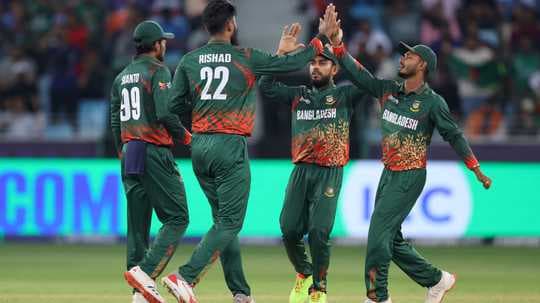
The mystery around Bangladesh’s absence from the ICC Men's T20 World Cup 2026 has finally been given a name.
An inquiry committee report, made public on Tuesday, has pinned responsibility on former youth and sports adviser Asif Nazrul, concluding that his decision kept the national team out of cricket’s global showpiece.
The Ministry of Youth and Sports had formed a three-member committee to dig into one of the most baffling withdrawals in the country’s cricket history. Why did a full-member nation, with a passionate fan base and a growing T20 profile, simply not turn up?
The panel was led by Dr A.K.M. Oli Ullah, additional secretary of the ministry’s administration wing. Alongside him sat former Bangladesh captain and current chief selector Habibul Bashar, with barrister Faisal Dastgir completing the trio. Their mandate was clear: examine the circumstances, identify the decision-makers, and determine how Bangladesh ended up watching a World Cup from home.
The findings were blunt.
According to the report, the Bangladesh Cricket Board (BCB) backed the sports ministry’s stance at the time, aligning itself with Nazrul’s decision not to send the team to the tournament. The board, rather than resisting, effectively fell in line with the government’s call.
Facing the media at the National Sports Council (NSC) on Tuesday, Dastgir spelled out the conclusion that many had suspected but never had officially confirmed.
“Based on what emerged from the investigation, our discussions with the relevant people, media reports and everything else, it can be said that the person responsible for not going to the World Cup was then youth and sports adviser Asif Nazrul. The government at the time and he were responsible,” he said.
Nazrul, for his part, had previously claimed that the players were fully aware of the situation and had accepted it. The report does not expand on dressing-room sentiment, but it leaves little doubt about where the chain of command ended.
The committee’s stance on the core issue was unambiguous: Bangladesh should have participated in the World Cup.
No scheduling crisis. No eligibility drama. No last-minute catastrophe. Just a decision at the top of the sports hierarchy, supported by the game’s governing body in the country, that removed Bangladesh from the biggest stage in T20 cricket.
The political and sporting fallout from that choice may linger far longer than the tournament itself.