Australian Captains Urge Government to Act on Imran Khan's Treatment
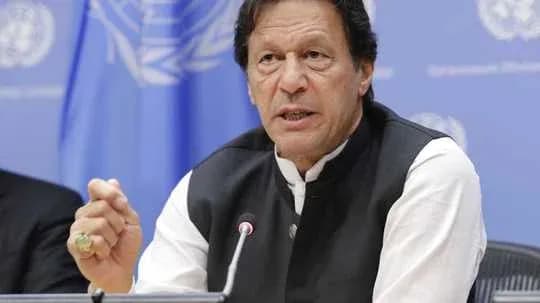
Seven former Australia captains have broken ranks with cricket’s usual silence on politics, urging Foreign Minister Penny Wong to press Pakistan over the detention conditions of former prime minister and World Cup-winning captain Imran Khan.
Allan Border, Greg Chappell, Ian Chappell, Belinda Clark, Kim Hughes, Mark Taylor and Steve Waugh have co-signed a letter asking the Australian Government to raise concerns directly with Islamabad, framing their intervention not as a political act but as a duty of care from one generation of cricketers to another.
They point to reports of limited medical care, heavily restricted contact with family and minimal access to legal counsel. The group stresses it is not contesting the charges or court processes Khan faces in Pakistan, but the way he is being held.
“We take no position on the legal or political case against him. That is Pakistan's business. But the treatment of any person in detention is a matter of basic humanity, whatever their politics,” the letter states.
This is not an isolated plea. It is the latest step in a campaign that has been building for months.
The pressure has been building
The captains note that concerns over Khan’s welfare have already been aired twice in the past half-year by former international skippers. Those earlier warnings, they say, have been reinforced by what Khan’s own family is now describing.
“This is not the first time international captains have raised this concern. It has been brought to public attention on two separate occasions in the past six months, and the reports since then – now echoed by his own family – suggest the situation has not improved,” the letter continues.
Their request to Wong is blunt: use Australia’s diplomatic channels.
“We would be grateful if the Australian Government could raise this directly with the relevant Pakistani authorities.”
The latest intervention follows a highly charged moment during the second England-Pakistan Test at Lord’s last month. During the lunch break, Sky Sports aired an interview conducted by former England captain Michael Atherton with Khan’s sons, Sulaiman and Kasim.
On a day that should have been about swing, seam and scoreboard pressure, the conversation turned to prison cells and medical reports. Khan’s sons spoke of their father’s deteriorating health and the conditions in which he is being held.
The reaction from Pakistan was immediate and angry. The Pakistan Cricket Board lodged a formal complaint, and there was a reported threat from the tourists not to return to the field after lunch in protest at the broadcast. For a few tense minutes, the match itself felt secondary.
A growing chorus from the game’s elite
This latest letter from the Australian captains is the third coordinated appeal from former international leaders in seven months, underscoring how deeply Khan’s fate has cut across national and generational lines within cricket.
In February, 14 former captains – among them Sunil Gavaskar, Kapil Dev and Greg Chappell – called for improved medical care and humane detention conditions for the 1992 World Cup-winning captain. The February appeal framed Khan’s welfare as a matter of duty for those who had shared the game’s highest stage with him.
By August, the list had grown. Twenty-one former captains renewed the call, this time reacting to developments surrounding a Supreme Court-directed medical examination and family visits. They argued that the scrutiny ordered at the highest judicial level only sharpened the need for transparent, humane treatment.
Now, with some of Australia’s most respected figures adding their names, the campaign has gained fresh weight. Border, Waugh, Taylor and Clark are not just past skippers; they are central pillars of Australia’s modern cricket identity, voices who rarely step into contentious international debates.
Their move drags the issue from the fringes of political commentary into the heart of cricket’s establishment. It places a simple question in front of Canberra and Islamabad alike: how should the game treat one of its most significant figures when the stadium lights are off and the cameras are gone?