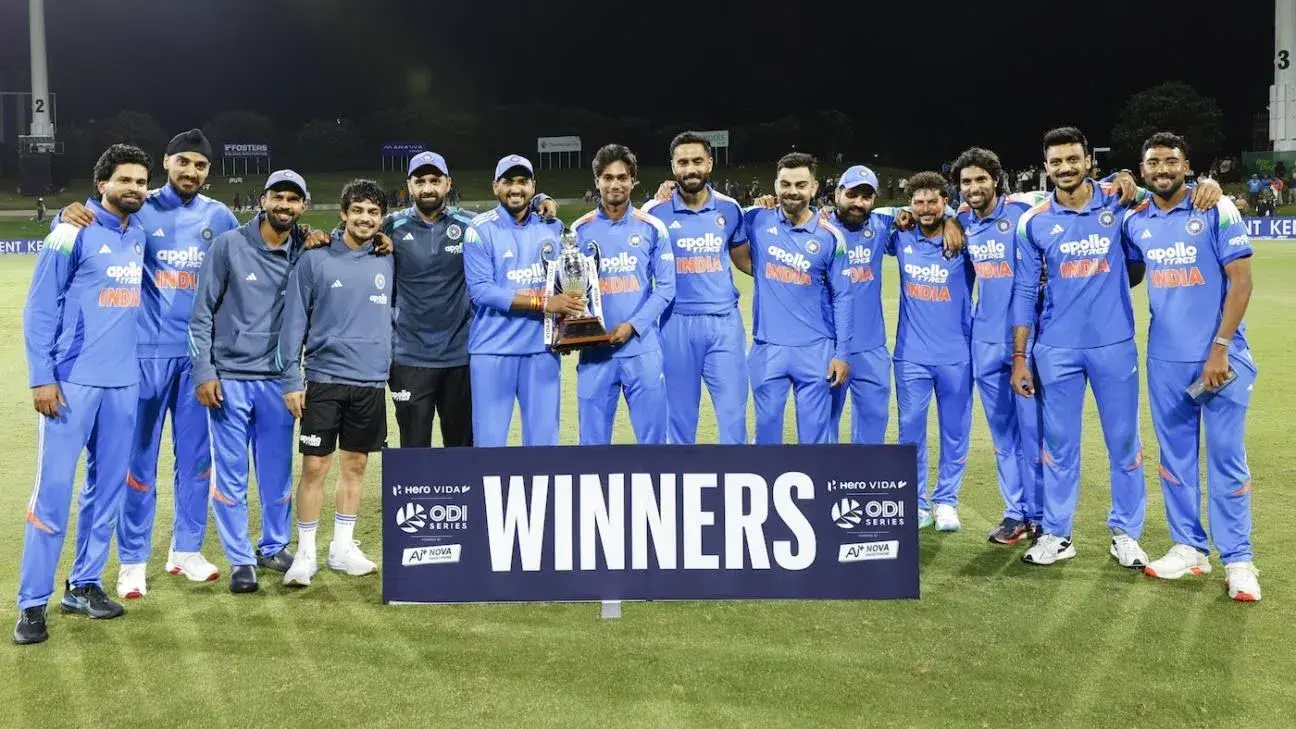
Auqib Nabi Prioritizes Skill Over Speed as ‘Baramulla Express’ in New Zealand
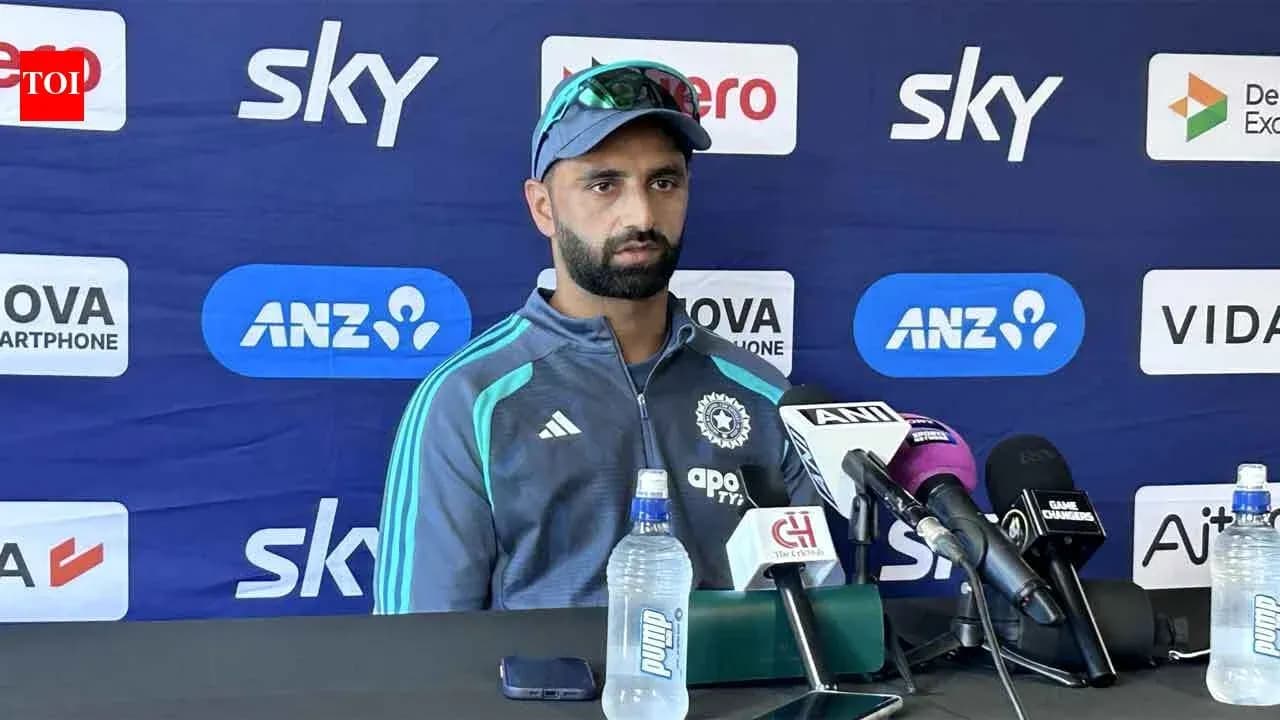
NEW DELHI: The ball leaves his hand quickly enough, but Auqib Nabi is in no mood to be defined by the speed gun alone.
“Having pace is good but I back my skills,” the India pacer said on the eve of the fourth ODI against New Zealand. One line, delivered calmly, summed up the mindset of a bowler who has hurtled out of Baramulla and into international cricket without losing sight of what got him here.
This is Nabi’s first tour of New Zealand. New country, new conditions, same method.
“I will do what I have been doing and what has brought me here. I will just do what I did in domestic cricket, and that will help me here too,” he insisted.
Quiet start, sharp response
The five-match series began quietly for him. In the first ODI, Nabi went wicketless, finishing with 0 for 33 as India won by five wickets under the DLS method. No drama, no fireworks, just a debut spell that suggested control but not yet a cutting edge.
Then the series moved on, and so did he.
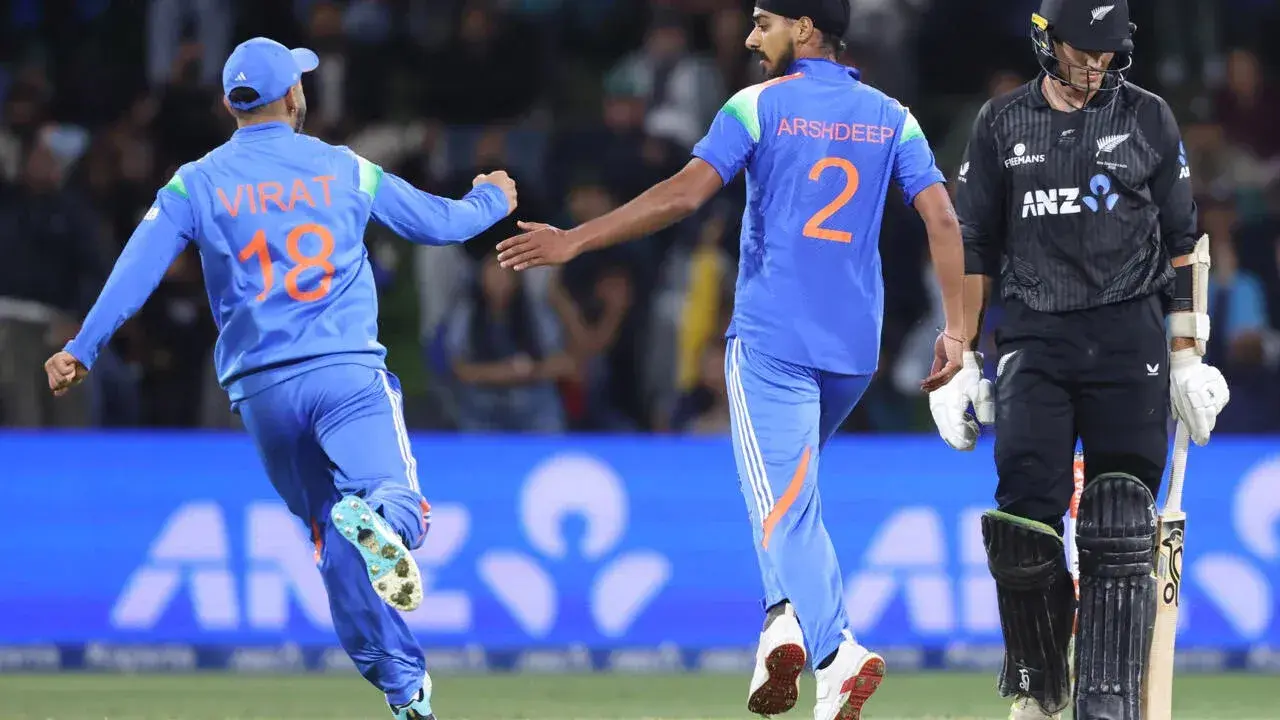
In the second ODI, Nabi went straight at New Zealand’s top order and ripped out both openers, Will Young and Tim Seifert. Those two strikes gave India the grip they needed in a tense contest that eventually finished in a four-run win, again via DLS. A bowler who had started the series searching for a breakthrough suddenly looked right at home with the new ball.
The third ODI in Hamilton never got going. Rain washed it away, India stayed 2-0 ahead, and Nabi’s education in New Zealand conditions rolled on to Mount Maunganui, where the fourth ODI at Bay Oval awaits on Friday.
Learning New Zealand, seam first
For Nabi, this tour is not just a series, it is a crash course.
“It is my first time in New Zealand. You need to rely more on seam here. Use scrambled seam because swing can be dealt with,” he explained, offering a glimpse into the tactical conversations happening in India’s dressing room.
On these true pitches, he knows margin for error is slim. Bowlers can disappear quickly if they get greedy or lazy.
“You need to bowl well no matter how good or flat the pitches are. When wickets are good, you need to bowl with discipline because you can go for runs,” he said.
The talk among India’s young quicks has revolved around those “drop-in” surfaces and how to survive them. Nabi name-checked Arshdeep and Anshul as part of that little fast-bowling think tank, a group working out lengths and angles session by session.
“We keep discussing amongst ourselves about plans for drop-in pitches. With Arshdeep and Anshul both,” he said.
The weather, he pointed out, feels familiar to someone from Jammu and Kashmir. The standard of opposition does not.
“Weather back home and here is similar. Opposition and level of cricket is different,” he added, matter-of-factly.
From Ranji force to India cap
The nickname came before the India cap. They called him the “Baramulla Express” for a reason.
Nabi did not arrive in international cricket on the back of one hot season. He battered the Ranji Trophy over two campaigns, collecting 104 wickets across the 2024-25 and 2025-26 seasons. Those numbers are not padding; they are the foundation of his self-belief.
The 2025-26 season turned him from promising quick into domestic heavyweight. Sixty wickets in 17 innings at an average of 12.65 is the kind of return that demands attention, and it did more than that for Jammu and Kashmir. It powered them to their maiden Ranji Trophy title, with Nabi named Player of the Tournament.
That journey explains why he talks so often about sticking to what worked. His methods have already carried a team from India’s domestic margins to a national title. Now they are being tested against New Zealand’s top order.
White-ball first, red-ball dream intact
If there was one twist he did not quite script this way, it was the format of his India debut.
“I was expecting a red-ball call-up before white-ball cricket, but this experience will also be very helpful. And then also staying with the Test team,” Nabi admitted.
The longer format remains close to his heart, and his record makes it easy to see why. But he is not treating ODI cricket as a detour. It is another classroom, another set of conditions, another way to harden skills that he believes will serve him when the Test chance finally arrives.
There is also a simpler emotion running underneath all the technical talk.
“Very happy to play for India. Khelna India ke liye bahut badi baat hai. Mera bhi wohi tha,” he said, slipping into his mother tongue to describe a childhood dream realised.
His rise has come from a region often discussed for its challenges rather than its cricket infrastructure. Nabi, though, refuses to lean on that narrative.
“Whenever people say about facilities, I always say do your best and things will fall in place,” the pacer said.
On Friday at Bay Oval, the “Baramulla Express” will charge in again, scrambled seam ready, discipline his main ally. The pace is there. The skill, he believes, will decide how far this journey really runs.