Anaya Bangar and the Debate on Inclusion in Women's Cricket
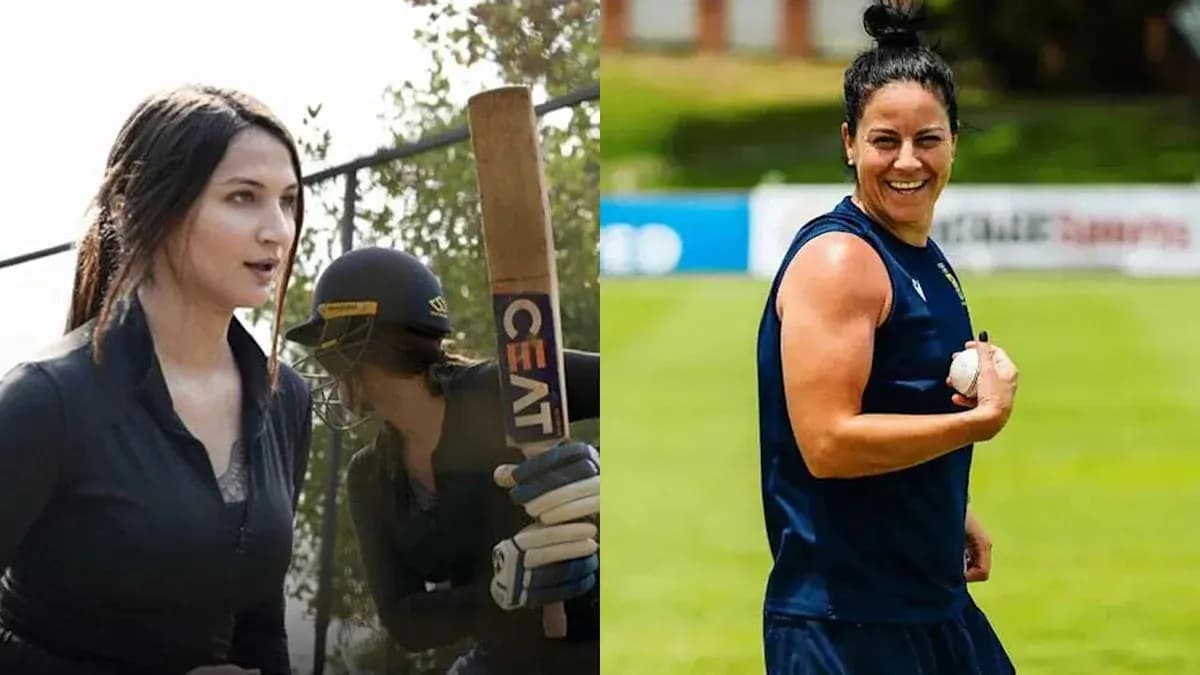
In New Delhi, the debate around inclusion in women’s cricket has found a sharp new edge, and at the centre of it stands Anaya Bangar, unflinching.
The 25-year-old, cleared by Cricket Australia for a structured pathway back into elite women’s cricket, has pushed back at criticism from South Africa all-rounder Marizanne Kapp, telling detractors to “educate themselves” before questioning her right to play.
Kapp had blasted Cricket Australia’s stance, labelling the decision to open a route for Anaya’s return “absolutely ridiculous” and insisting “this should not be allowed.” Her comments cut straight into one of the sport’s most sensitive and polarising issues: the participation of transgender athletes at the highest level.
Cricket Australia, though, has nailed its colours to the mast. Under its Inclusion of Transgender and Gender Diverse Players in Elite Cricket Policy, Anaya – daughter of former India batter and coach Sanjay Bangar – has been granted a pathway towards elite women’s cricket, provided she meets all policy requirements.
For now, the reality is far more modest than the headlines. Anaya, who underwent gender-affirming surgery in March this year, is currently eligible only for community cricket in any state or territory in Australia. The earliest she can be considered for elite women’s cricket is March 2027, and even then only if she satisfies the policy’s medical and regulatory thresholds.
The noise around her, though, is already elite level.
“I think people who want to raise their voice against it should actually educate themselves on this topic,” she told PTI, speaking calmly, almost casually, despite the storm around her name. She pointed out that she has already submitted the required information to show she does not hold an unfair advantage and that she is operating strictly within Cricket Australia’s guidelines.
“If anyone’s personal opinion is in that sort of way, I hope they go and educate themselves,” she added, finishing with a shrug that said as much as her words.
The reaction to her potential return has been split. On one side, concerns like Kapp’s about fairness and competitive balance. On the other, those who see Anaya’s case as a test of cricket’s willingness to stand by its own inclusion policies when the scrutiny intensifies.
Anaya is not yet attached to a local club. There is no contract on the table, no immediate dash to the Women’s Big Bash League, only a long road that begins at the grassroots. Her focus, she insists, is on the next step, not the end point: community cricket, performances, and proving she belongs on merit.
“Baby steps from here,” is how her camp describes the plan.
For now, the battleground is as much public opinion as it is the pitch. The policy is written. The pathway exists. The questions, for cricket and its players, are only getting louder.