Aichi–Nagoya 2026: A Compromise Built on Ambition
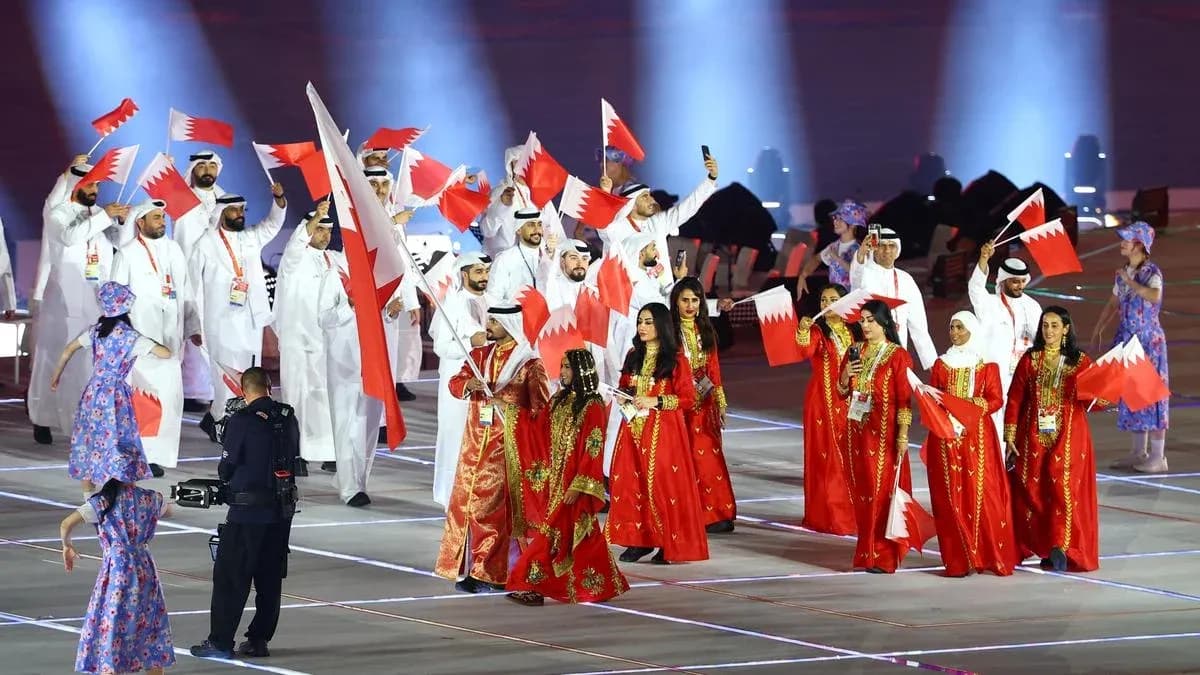
Under the bright lights of Paloma Mizuho Stadium in Nagoya, India’s flag rose into a cool Japanese night carried not by the man originally chosen, but by a late replacement who embodied the chaos and resilience of these Asian Games.
Kabaddi star Pawan Sehrawat, drafted in at the last moment because shot-putter Tajinderpal Singh Toor did not have his ceremonial kit in his luggage, strode out as India’s flag-bearer. At his side walked shooting ace Manu Bhaker, the other standard-bearer of a delegation that has arrived leaner in number but heavier in expectation.
Behind them, almost 500 Indian athletes followed in step, marching into a Games that have been talked about as much for huts and cruise ships as for medals and records.
A Games built on huts, a cruise ship – and a budget
Japan chose to do things differently. No sprawling, purpose-built athletes’ village. No gleaming new residential towers destined to become ghost blocks once the flame goes out.
Instead, organisers pieced together an athletes’ “village” from hotels across Aichi prefecture, wooden huts, and the cruise liner Costa Serena moored in Nagoya’s port. About 4,000 participants are staying on the ship, another 2,000 in the container-style huts, with the rest scattered across city hotels.
The compromise has drawn criticism. Some delegations have complained about cramped rooms, basic facilities and long travel times to training venues. Yet the Olympic Council of Asia’s director general, Husain Al-Musallam, has publicly backed Japan’s approach, calling it an example for nations that want to stage major events without tearing up their budgets.
The reality on the ground is more complicated. India, facing the same squeeze as others, has already moved some athletes from the huts into hotels and has contingency plans in place. Chef de mission and IOA treasurer Sahdev Yadav confirmed that hotels have been booked, but warned that if rooms run short, there is a backup: Indian households in Japan ready to open their doors to the country’s athletes.
“They are all more than happy to welcome the stars at their homes,” he said, capturing both the logistical strain and the diaspora’s eagerness to play its part.
Ceremony glitz amid organisational grit
For a few hours on Saturday night, the focus did shift to spectacle.
The Japanese national anthem rang out as the host’s flag climbed the mast. Violinist Taro Hakase brought a touch of classical grandeur. Boy band INI drew a younger roar. Dancers filled the stadium floor in tightly choreographed waves, turning the troubled build-up into a stage-managed celebration.
India’s contingent, trimmed from more than 650 athletes in 40 disciplines at the previous Hangzhou Games to around 500 this time, cut a compact but purposeful figure. Rationalisation has replaced the earlier “mad rush” that chased perks and allowances as much as performance. The target remains lofty: officials still speak of touching the 100-medal mark again, after the record 106 medals and fourth-place finish behind China, Japan and South Korea three years ago.
The athlete-to-medal ratio, they believe, can look even better this time.
Bhaker’s message: stop complaining, start competing
If there has been one unmistakable voice from within the Indian camp, it belongs to Manu Bhaker. While social media filled with videos and posts highlighting mismanagement, cramped rooms and long commutes, the Olympic pistol shooter chose a different line.
In a video message posted by the IOA, she urged teammates to treat the Aichi–Nagoya Games as what they are for many: a once-in-a-lifetime stage.
“We will have some issues,” she acknowledged, before making her point clear: this is not the time to burn energy on complaints. Enjoy the experience. Compete. Make it count.
Coming from a flag-bearer who has shouldered pressure at the highest level, the words carried weight. They also framed the mood in an Indian camp that knows it cannot control the huts, the buses or the traffic, but can still dictate how it responds.
Prannoy’s last stand – or one final springboard?
For H.S. Prannoy, the stakes feel different. The veteran shuttler has admitted that Aichi–Nagoya is most likely his last Asian Games. The grind has been long, the miles on his legs considerable.
Yet he has left one door ajar.
Prannoy plans to give himself another year to judge whether there is enough left in his body and game to launch a realistic push for the Los Angeles 2028 Olympics. It is not a farewell tour, not yet, but there is a clear sense that each big event from here on carries a little more weight.
If Nagoya does become his final Asian Games, he will want it to read like a statement, not a footnote.
New sports, new stories
These Games are not just about familiar disciplines and familiar names. Aichi–Nagoya has thrown open the gates to six debut sports, from teqball to virtual taekwondo, promising a more eclectic, modern programme.
Teqball has already delivered India a slice of history. Quimcy Dsouza, battling through a gruelling three-game women’s singles semifinal, stood within reach of the final before an Indonesian comeback from Sumaya overturned her advantage.
Defeat hurt, but it came with a milestone: Dsouza will now play for bronze, poised to secure India’s first-ever Asian Games medal in teqball. For a sport only just stepping onto this stage, that is no small foothold.
Cricket kits and quiet fixes
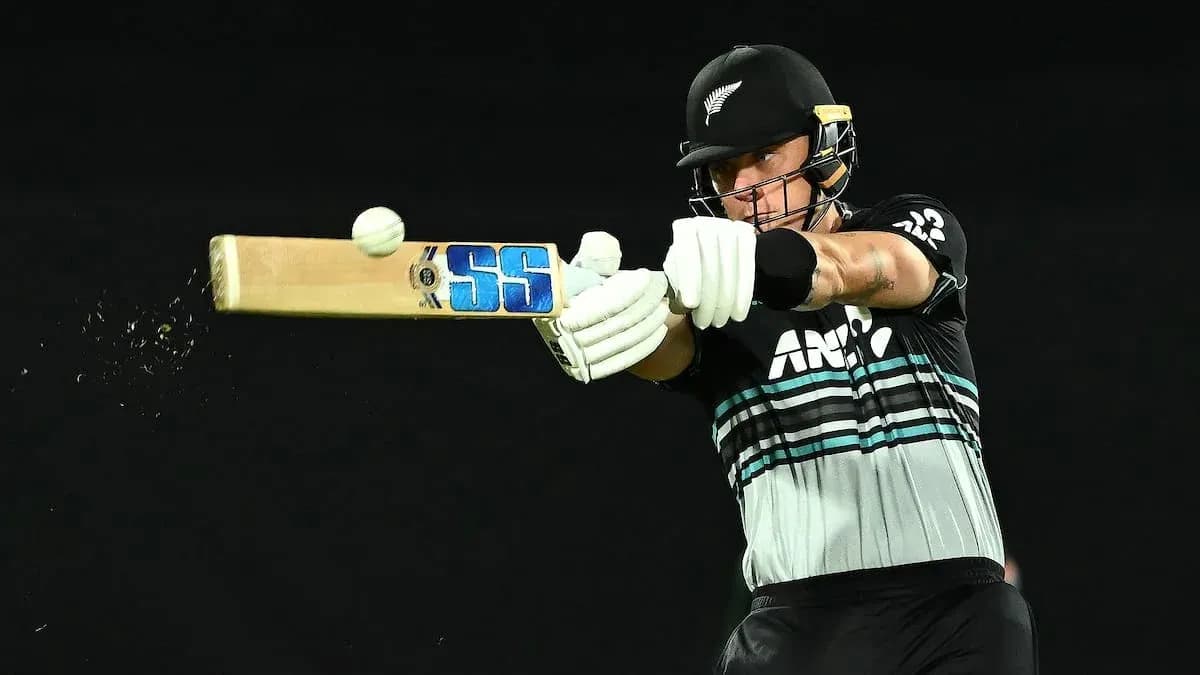
Not all of India’s issues have been about beds and buses. The men’s cricket team, set to defend the title India holds in both men’s and women’s cricket, found itself dealing with something far more basic: kit sizes.
Ahead of their early-hours departure for Japan, players were still waiting for right-size jerseys. The Board of Control for Cricket in India stepped in, arranging accommodations independently and ironing out the clothing snag as the clock ticked down.
It was a minor subplot in the grand scheme of a Games, yet it underlined a broader theme: even heavyweight federations have had to improvise in a tournament built on cost-cutting and patchwork logistics.
Defending crowns, chasing credibility
On the field, India arrives with champions to protect and reputations to build.
The men’s and women’s teams in both cricket and kabaddi will defend their Asian titles, carrying the burden of proof that India’s dominance in those sports is not a one-off spike. The men’s hockey side also returns as reigning champions, with the continental crown doubling as a marker of where they stand in the global pecking order.
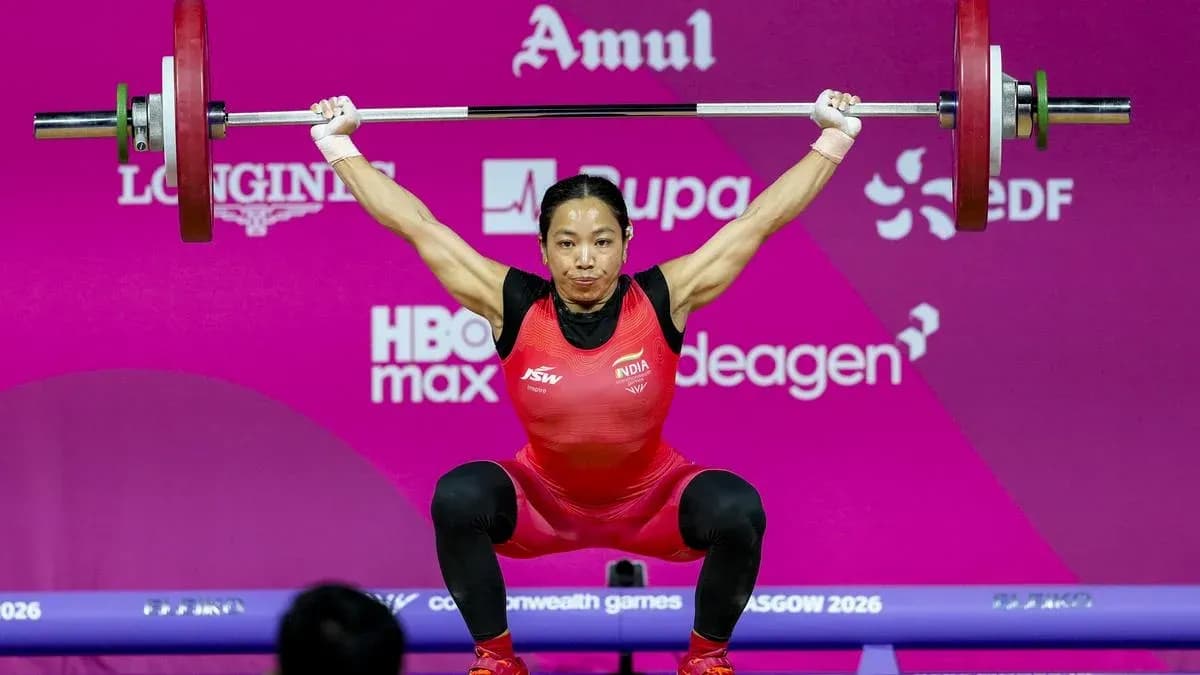
Beyond the big names, the delegation features a familiar cast of medal contenders: PV Sindhu, Mirabai Chanu, Manu Bhaker and others whose careers are now measured against podium finishes, not participation.
The first gold medal of these Games is expected to be decided in the men’s individual triathlon on Sunday morning. By the time the curtain falls on October 4, 469 golds will have been awarded across more than 40 sports. Somewhere in that flood of results lies India’s answer to a simple, unforgiving question: can a smaller, more focused squad deliver the same – or better – return?
A night of light before two weeks of scrutiny
As the fireworks faded above Nagoya and the Costa Serena’s lights glimmered in the distance, the contradictions of these Asian Games remained impossible to ignore.
This is a tournament with more participants than the Olympics, staged without an athletes’ village. A Games hailed by some as a model of financial prudence, criticised by others as an exercise in cutting corners. An event where Indian athletes might sleep in huts, cabins, hotel rooms or the spare bedrooms of expatriate families – and still be expected to perform like an emerging sporting superpower.
The ceremony is over. The flags have been waved, the anthems sung, the dancers and pop stars have left the stage.
Now comes the only part that really lasts: two weeks in which India’s athletes must decide whether Nagoya will be remembered for huts and headaches, or for a lean, hardened team that turned a messy build-up into a defining statement of intent.