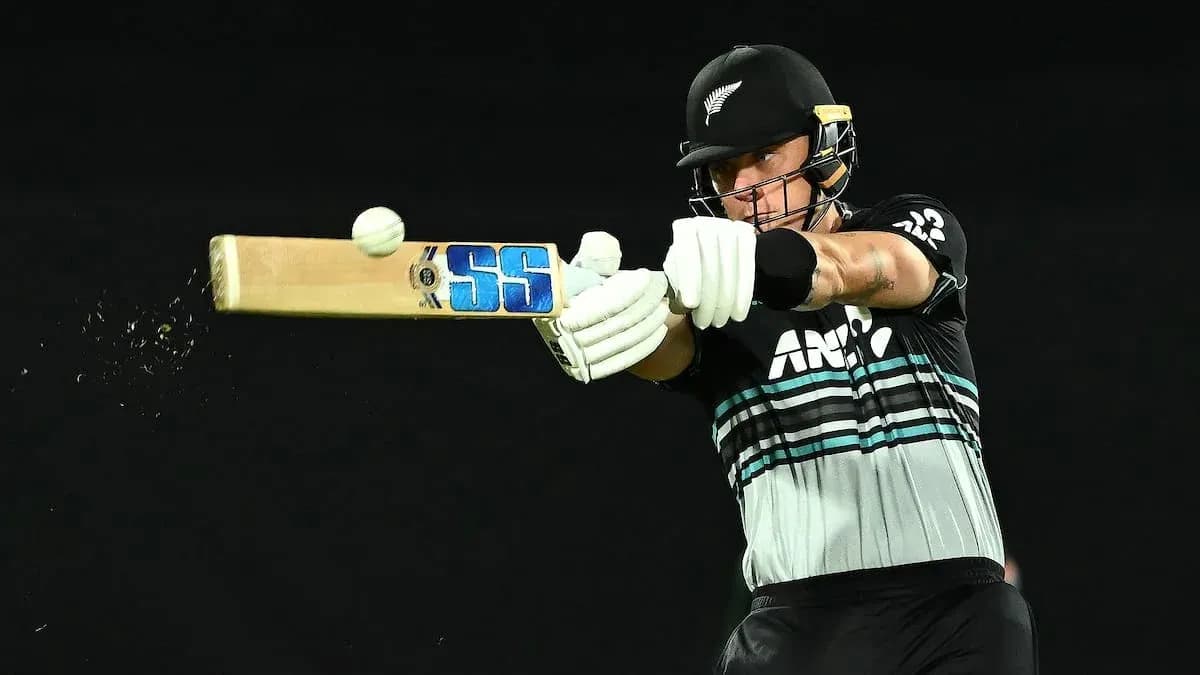
Abhishek Sharma's Record 30-Ball Century Dominates Delhi
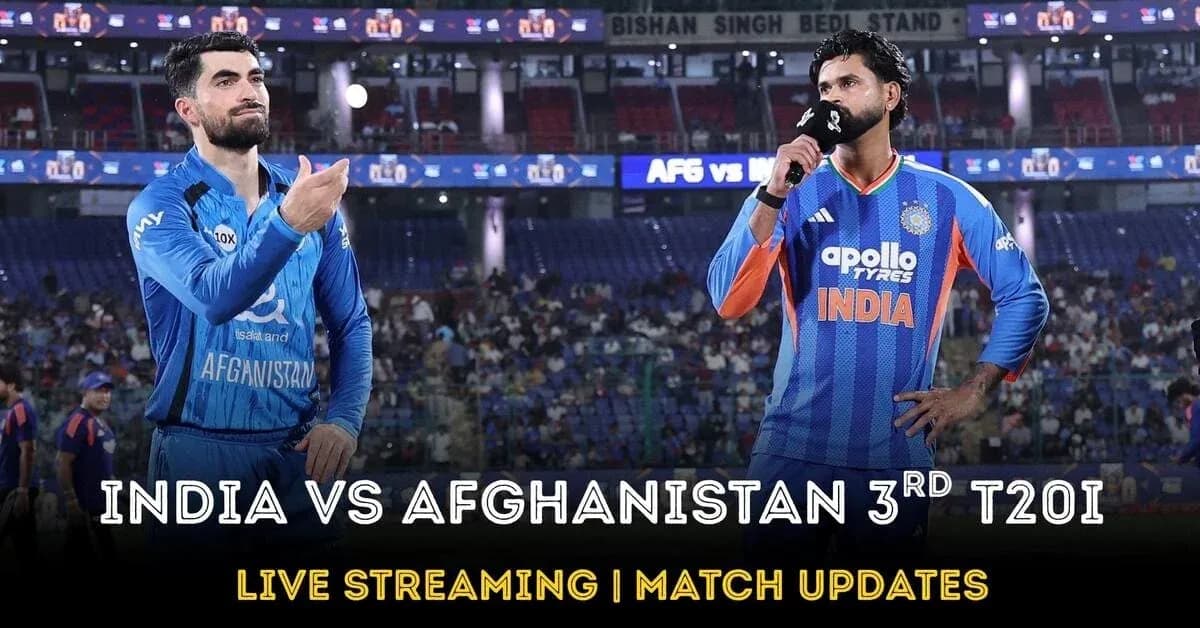
Under heavy Delhi humidity and low, stubborn cloud, Ibrahim Zadran finally got the call he wanted. Afghanistan’s captain won the toss, pointed his team towards the field and backed his bowlers to find something in the surface at the Arun Jaitley Stadium.
For a brief moment, it felt like a small shift in a one-sided series.
India, already 2–0 up and untroubled in two chases, were asked to set a target this time. Shreyas Iyer welcomed the twist. “We would have batted first,” he said, framing it as a “fun challenge” rather than a complication. One change only: Yash Thakur for Arshdeep Singh, with Vaibhav Sooryavanshi still waiting in the wings.
What followed from Abhishek Sharma turned the toss into a footnote.
A powerplay that shredded the script
The first over looked ordinary enough. Fazalhaq Farooqi landed his lengths, India poked and prodded to 5 without loss. Abhishek offered a neat lift over extra cover, nothing more. Afghanistan had the new ball talking just enough, the fielders chirping, the game still in its opening act.
Then the left-hander detonated the evening.
Azmatullah Omarzai’s first over went for 17 of Abhishek’s 20. A swivelled six over deep square leg, a sliced four down the ground, another towering hit over deep extra cover. Farooqi’s return in the third over fared no better. Abhishek went straight, then fine, then square, then top-edged over short fine. Twenty-three from the over. India 45/0 after three, Afghanistan already chasing shadows.
Sanju Samson, who had started quietly, joined in with a thumping straight six off Mujeeb ur Rahman. Yet this was Abhishek’s powerplay, and he refused to release his grip. Mohammad Nabi’s first over, expected to apply a brake, turned into a demolition: 29 runs, with Samson launching back-to-back sixes and Abhishek racing to a 50 that barely seemed to take breath.
By the end of the fifth over, India were 85 without loss. Abhishek sat on 62 from 18 balls. Samson had moved to 23 from 12. The series’ established pattern – India’s top order dictating terms – had hardened into something more brutal.
Rashid Khan entered in the sixth over, the one bowler Afghanistan hoped could drag the contest back towards sanity. Abhishek simply skipped down, missed once, then hammered him through extra cover twice and over sweeper once. Fifteen off the over. India 100/0 at the end of the powerplay, Abhishek 76 from 22, Delhi roaring.
History in 30 balls
The carnage did not relent. Abdullah Ahmadzai’s introduction brought only brief respite. Mujeeb’s second over disappeared for another 15, Abhishek clearing long-on and then driving straight for six more. At 124/0 after eight, Afghanistan’s fielders moved in slow motion between positions, the scoreboard racing ahead of them.
The landmark arrived in over nine. Samson nudged a single. Abhishek launched Ahmadzai for six to move to 99, then eased a push down the ground to reach his third T20I hundred. Just 30 balls. The fastest century by a batter from a Full Member nation.
Helmet off. A calm meditation pose in the middle of the storm. Delhi, and the Indian dugout, rose with him.
He wasn’t done. By the time Rashid finally prised him out in the 10th over, Abhishek had 108 from 34 balls, with nine fours and 11 sixes. He tried to go again, chasing a googly wide of off, only for a thick edge to carry through to Rahmanullah Gurbaz. The review was hopeful; UltraEdge showed the spike, and with it, a rare moment of relief for Afghanistan.
India went to drinks at 142/1, the opening stand having bulldozed any early help the pitch might have offered.
Samson steadies, Rashid resists
With Abhishek gone, the game slipped into a more familiar T20 rhythm, though the platform he left behind still loomed over every ball.
Samson, already into the 40s, took charge. Mujeeb’s third over vanished over long-off for six as the wicketkeeper-batter pressed on towards another landmark. Tilak Varma, promoted to No. 5, found only two from five balls before a moment of hesitation cost him his wicket. Rashid gathered his own bowling and fired a direct hit at the non-striker’s end. Tilak was short. India 155/2 in the 12th over, the leg-spinner refusing to let the innings run completely unchecked.
Shreyas Iyer arrived to his own challenge. Rashid has dismissed him three times in T20s, including in the previous match, and the contest resumed with familiar tension. Iyer scratched a single, then another. Samson, meanwhile, kept ticking.
In Mujeeb’s final over, Samson stepped leg side and drilled him straight for four, then flicked to deep mid-wicket and nudged to long-on to bring up a second consecutive T20I fifty, this one from 34 balls. Iyer added a couple more, soft hands guiding the ball towards deep backward square.
By the end of the 13th over, India were 164/2. Samson 50 from 34. Iyer 4 from 5. The early chaos had given way to accumulation, but the damage was already vast.
Selection calls and fault lines
For India, the evening had started with a quiet but telling decision. Yash Thakur came in for Arshdeep Singh, adding fresh pace alongside Jasprit Bumrah. The batting, though, stayed untouched. Abhishek, Samson, Ishan Kishan, Iyer, Tilak, Axar Patel, Shivam Dube and Nitish Kumar Reddy formed the same top eight that had cruised through the first two games.
It made sense. That top order had already produced two comfortable chases. Abhishek led the way in the opener; Samson’s 57 off 22 sealed the series in the second. Now they were asked to reverse the script and set a total. They responded by tearing the game away inside the first half-hour.
Afghanistan shuffled more pieces. Noor Rahman and Abdullah Ahmadzai came in, Gulbadin Naib and Noor Ahmad stepped out. Mujeeb and Rashid remained the twin spin pillars, but the attack again lacked the sustained control to quiet India’s aggression once the first over passed without reward.
The batting, when it comes, will carry familiar scars. Gurbaz, twice removed for ducks in this series and with a strike rate of just 37.50 against Bumrah in T20s, faces another examination with the new ball. Zadran’s own runs in the second match offered resistance, yet Afghanistan’s top order has repeatedly surrendered momentum, leaving Azmatullah Omarzai, Nabi and Rashid to patch up broken innings.
Omarzai’s 64 from 43/5 in the opener and the late surge to 159 in the second game both proved too little. Now, chasing a total supercharged by Abhishek’s record-breaking assault, they stand on an even steeper slope.
A pitch for batters, a night for statements
The conditions had hinted at runs. Clear skies through the morning, cloud and humidity rolling in by evening, and a Delhi surface expected to hold together. Zadran spoke of early help for his bowlers; for one over, he had it. Then Abhishek stripped the pitch of mystery.
India’s plan, as Iyer framed it, was simple: bat first, embrace the challenge, and avoid overcomplicating. Partnerships, tempo, depth. Through Abhishek and Samson, they found all three.
On the other side, Afghanistan now need something they have not produced all series – a strong, fearless powerplay with the bat that does not crumble under pressure. Against Bumrah, Thakur and a spin unit led by Ravi Bishnoi, that is a formidable ask.
The series is already India’s. The clean sweep is within reach. The question now is whether Afghanistan can muster one last surge to turn a historic individual innings into something more than the defining image of a lopsided tour, or whether Abhishek’s 30-ball masterpiece will stand as the night the contest finally broke.