Abhishek Sharma: T20I's New Benchmark from Amritsar
On most days, cricket’s numbers feel cold. Columns, averages, strike rates. With Abhishek Sharma, they read more like a plot twist.
From a three-and-a-half-year-old in Amritsar gripping a bat almost as big as he was, to the owner of the highest ICC T20I batting rating in history, his rise hasn’t just been quick. It’s been violent, spectacular, and utterly modern.
A childhood built around a bat
This story starts at home. His father, Raj Kumar Sharma, a former cricketer himself, put a bat in Abhishek’s hands before most kids learn to write. Three and a half. Backyard, nets, endless throws. The obsession came early and never really left.
Punjab’s age-group structure became his playground. The numbers he stacked there were the kind that make selectors sit up, then lean forward. In the 2015-16 Vijay Merchant Trophy, he piled up more than 1,200 runs at an average of 109.09 and still found time to take 57 wickets. Those are not “promising youngster” returns. Those are “build-a-team-around-him” returns.
He captained Punjab to the Under-19 Asia Cup title in 2016. Two years later, he was part of India’s triumphant 2018 Under-19 World Cup squad, another layer on a rapidly growing résumé. The IPL came calling soon after. At 17, Delhi Daredevils picked him up at the 2018 auction.
The explosion people expected didn’t arrive straight away. Instead, there were seasons of graft: domestic cricket, sporadic IPL opportunities, long hours refining a method that always leaned towards aggression. He waited. He learned. And he kept swinging hard.
Yuvraj’s imprint on a fearless hitter
Some careers turn on a coach’s advice. Abhishek’s turned on a mentor who understood exactly what he was looking at.
Yuvraj Singh stepped into his life at a crucial moment. The former India all-rounder, one of the most destructive white-ball batters of his era, became guide, sounding board, and training partner, especially through the quiet, uncertain months of the Covid-19 lockdown.
Yuvraj saw the natural urge in Abhishek to attack. Not to survive. To dominate. Instead of sanding down those edges, he sharpened them. The message was simple: don’t let caution dilute your game. That mindset, drilled over months, became the spine of Abhishek’s T20 identity.
By July 2024, he had his T20I debut. The step up to international cricket can shrink some players. It seemed to enlarge him.
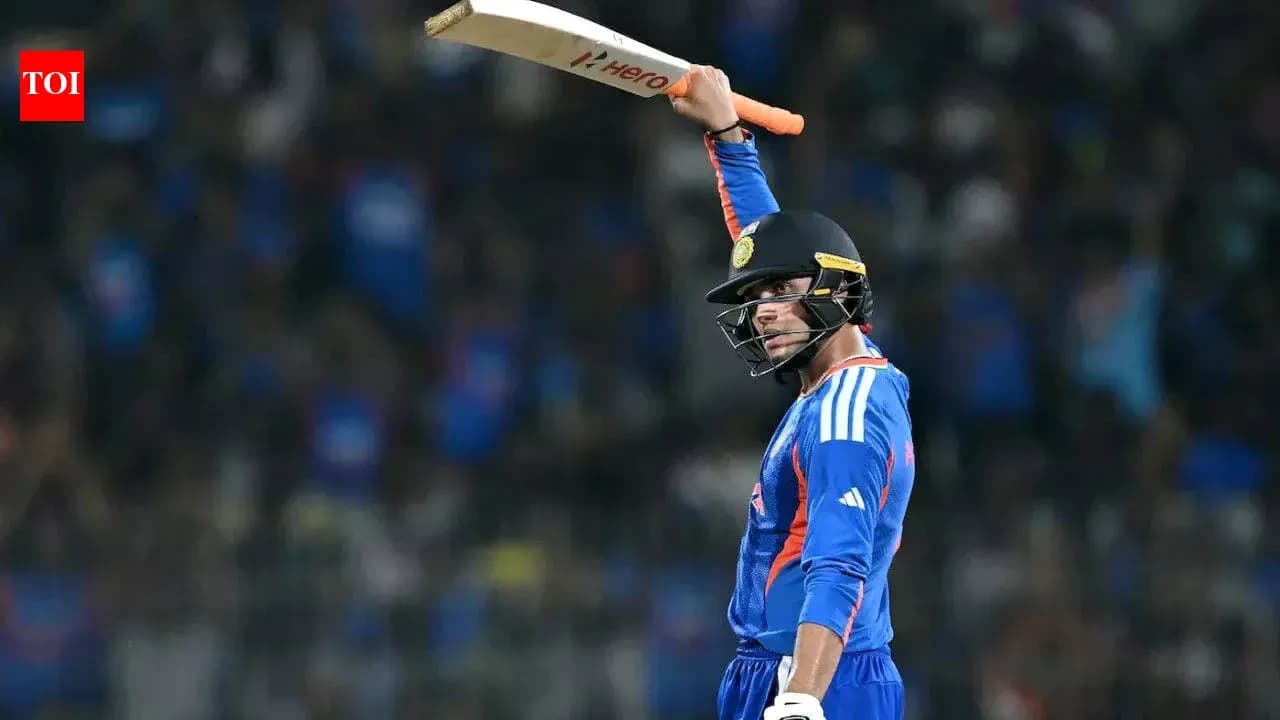
Then came February 2025 in Mumbai against England. A night that changed the way India’s T20 batting order looked, and perhaps the way opponents thought about bowling to them. Abhishek smashed 135 off 54 balls, a blur of clean hitting and ruthless intent. Thirteen sixes. A 37-ball hundred. It wasn’t just a big innings; it was a statement that India had unearthed another top-order destroyer.
Asia Cup dominance and a world record
The 135 turned heads. What followed at the 2025 Asia Cup confirmed that it wasn’t a one-off.
Installed as India’s attacking spearhead at the top, Abhishek turned the tournament into his personal showcase. He scored 314 runs in seven matches, going at a strike rate of 200. Bowlers barely had time to settle into their run-ups before the ball was disappearing to or over the rope. India lifted the trophy, and he walked away as Player of the Tournament.
Those performances did more than win matches. They rewrote the rankings.
After a 61 against Sri Lanka, Abhishek climbed to 931 rating points in the ICC T20I batting charts – the highest mark ever recorded by a men’s T20I batter. Dawid Malan’s previous best of 919 slipped behind him. So did the peak ratings of Suryakumar Yadav and Virat Kohli, two giants of India’s T20 batting era.
In a format obsessed with impact, he had become the new benchmark.
A year of numbers that barely look real
The deeper you go into his 2025 numbers, the more they sound like a video game.
He became the first player to score more than 1,000 runs in T20 cricket in a calendar year while maintaining a strike rate above 200. He finished the year striking at 202 and launching 108 sixes. Bowlers knew what was coming. They still couldn’t stop it.
The IPL, always a harsher test of sustained excellence, brought its own highlight reel. Turning out for Sunrisers Hyderabad, Abhishek produced a brutal 141 off 55 balls against Punjab Kings in IPL 2025. He raised his fifty in 16 balls, his hundred in 40. Fourteen fours, ten sixes, and a chase of 246 made to look almost routine.
That innings didn’t just win a match. It broke KL Rahul’s record for the highest score by an Indian batter in IPL history. In a league stacked with global stars and historic knocks, his name now sits at the top of that particular list.
The influences behind this evolution are easy to trace. Yuvraj’s stamp is obvious. Shikhar Dhawan’s calm presence and white-ball craft, Brian Lara’s technical nuance and flair, Travis Head’s relentless intent at the top – Abhishek has picked and chosen from some of the game’s sharpest minds.
At Sunrisers, his partnership with Head turned powerplays into carnage. Two left-handers, both wired to attack, tearing into new balls and game plans alike. For opposing captains, the first six overs against Hyderabad became a problem with no neat solution.
World champion with the final flourish
By the time the 2026 T20 World Cup arrived, Abhishek was no longer a curiosity. He was a pillar of India’s plans.
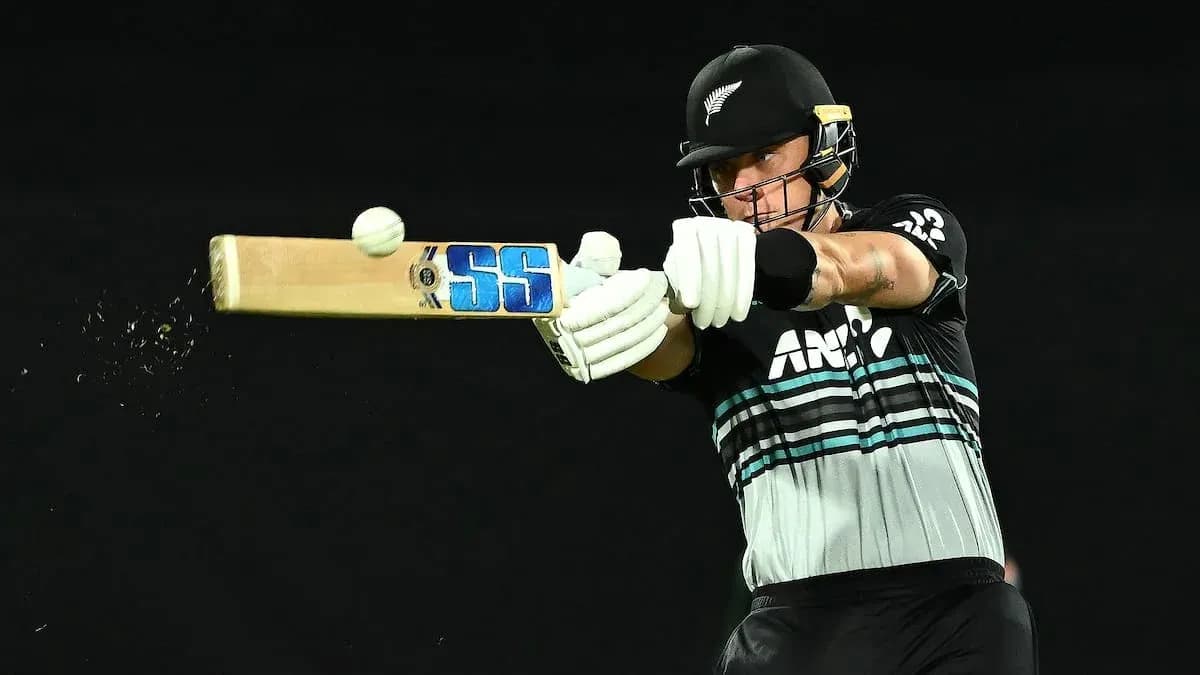
On the biggest stage, under the harshest lights, he delivered again. Across the tournament, he played a crucial role in India’s title-winning run, and in the final against New Zealand he produced another burst of pure, uncluttered aggression – 52 off 21 balls. It wasn’t a rescue act; it was a tone-setter, a knock that tilted the contest India’s way before New Zealand could fully settle.
India walked away with the trophy. Abhishek walked away with something just as valuable: proof that his high-risk, high-reward game holds up when everything is on the line.
The T20I record so far
Strip away the emotion and look only at the record, and it still hits hard.
From 2024 to 2026, Abhishek Sharma has played 56 T20Is, scoring 1,629 runs in 55 innings at an average of 30.73. The raw average doesn’t tell the full story. The strike rate does: 187.24. Two centuries, 11 fifties, and a highest score of 135.
The boundary count underlines the method. He has already struck 164 fours and 104 sixes in international T20s. That’s not accumulation. That’s sustained assault.
From the boy in Amritsar swinging a bat half his size to the man redefining what’s possible at the top of a T20 order, Abhishek Sharma has turned intent into identity. The question now isn’t whether he belongs at this level.
It’s how much further he can push the limits of a format built for players exactly like him.