Abhishek Sharma Sets Record with 30-Ball T20I Century
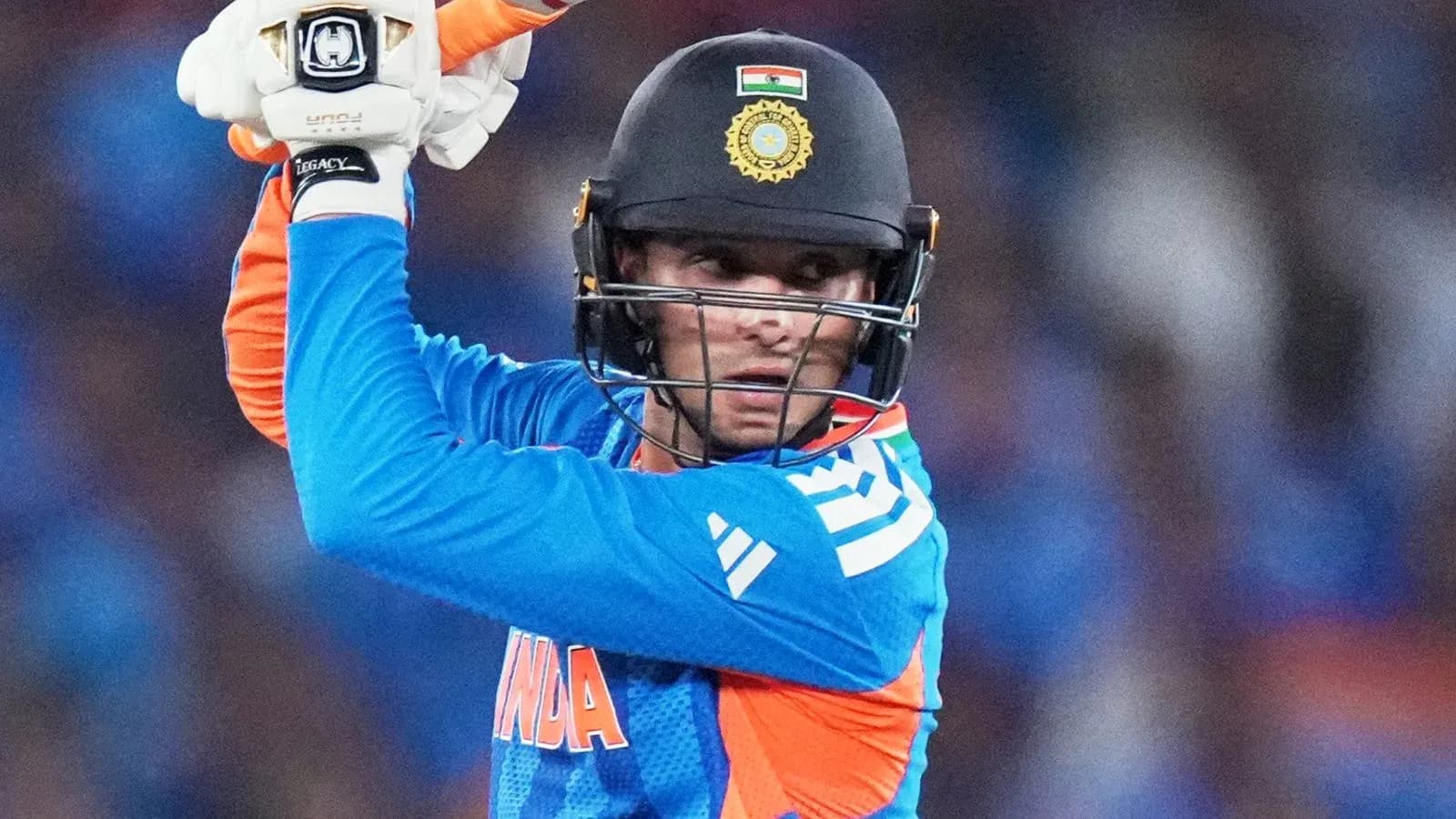
On a flat, unforgiving night for bowlers in Delhi, Abhishek Sharma did not so much bat as detonate.
In just his latest burst of white-ball fury, the India left-hander lashed a 30-ball century against Afghanistan, the fastest T20 international hundred ever scored by a batter from a Test-playing nation. By the time he walked off, he had turned a routine bilateral game into a landmark in the format’s short, violent history.
Eleven balls cleared the ropes. Nine more crashed into the fence. His 108 came from 34 deliveries, a blur of timing and power that shredded Afghanistan’s attack and rewrote a record list dominated by some of T20’s most explosive names.
Fastest of the Test giants
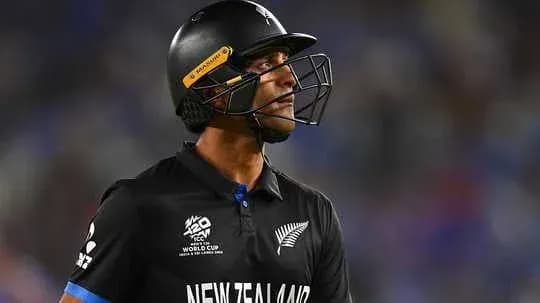
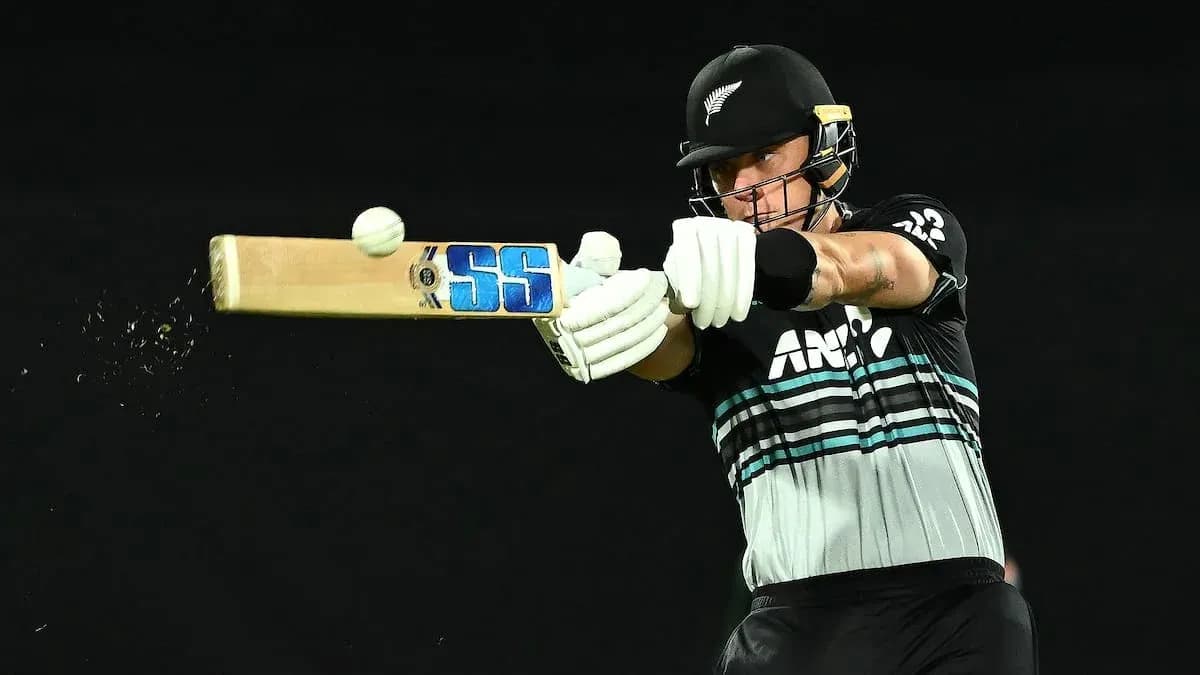
Abhishek’s 30-ball surge ripped past the previous best from a Test nation: 33-ball tons held jointly by New Zealand’s Finn Allen and Zimbabwe’s Sikandar Raza.
Allen’s blitz had arrived on the biggest stage of all, a T20 World Cup semi-final against South Africa in Kolkata earlier this year. Raza’s came against Gambia in October 2024, a one-man demolition job that seemed, at the time, as wild as T20 batting could reasonably get.
Abhishek just pushed the boundary a little further. His effort is now not only the quickest T20I hundred by a batter from a Test-playing country, but also the fastest in any T20 international contested between two Test nations.
The global mark in men’s T20Is still belongs to Estonia’s Sahil Chauhan, whose scarcely believable 27-ball hundred against Cyprus in 2024 sits at the outer edge of the sport’s extremities. Turkey’s Muhammad Fahad produced a 29-ball ton against Bulgaria a year later. Those innings, carved out in the game’s developing outposts, have long felt like video-game anomalies.
Delhi, though, was a mainstream stage. A full India side. A full Afghanistan side. And Abhishek batting as if the laws of risk and consequence did not apply.
Joining elite company
India rode his onslaught to 221-7, a total that always looked several bridges too far for Afghanistan, who crumbled to 94 all out in 14.1 overs. The result sealed a 3-0 sweep, but the series scoreline felt like a footnote beside the individual statement at the top of the order.
This was Abhishek’s third T20I hundred, lifting him into rare air in Indian colours. Only Rohit Sharma, with five, and Suryakumar Yadav, with four, have more for India in the format. For a player still chiselling out his long-term role in the international setup, that is a striking early ledger.
He also stripped one of Rohit’s long-standing personal landmarks. India’s previous fastest T20I century had belonged to the captain, a 35-ball masterclass against Sri Lanka in Indore in 2017. That innings has lived in the memory as a gold standard of top-order destruction.
Now it has company — and a quicker successor.
The speed is no accident. Abhishek has already gone faster in domestic cricket, thundering to a 28-ball hundred for Punjab against Meghalaya in 2024. The method is clear: commit to the aerial route, back the swing, and keep the bowler under constant threat. In Delhi, that domestic template simply scaled up to international level.
Afghanistan blown away
Once Abhishek’s fireworks had lit up the first half, the chase never truly caught fire.
Afghanistan, who have made a habit of punching above their weight in white-ball cricket, found no such inspiration here. India’s bowlers hunted in a pack, and the visitors folded meekly.
Abhishek still found a way to mark the second innings, pouching a catch in the deep to round off a night that already belonged to him. Nitish Kumar Reddy did the heaviest damage with the ball, snatching three wickets in a single 12th over that ripped out what little resistance remained and hurried India to the finish line.
The collapse left Afghanistan 94 all out, a margin of defeat that underlined the gulf on the night and the authority of India’s sweep.
A new kind of statement
For all the numbers, the innings will be remembered for its feel. There was no slogging for survival, no nervous tiptoeing towards a milestone. Abhishek went at the bowling from the outset and never eased off, treating a T20I against a seasoned opponent like a net session with the field up.
Records in this format tend to fall in obscure corners of the calendar. This one arrived in full view, under the lights, with the weight of a Test nation’s expectations behind it.
Abhishek Sharma has already shown he can do this in domestic cricket. Now he has done it against a Test side, with history watching. The question for India is no longer whether he belongs at this level, but just how central a role they are ready to give a man who can bend a T20I to his will in half an hour.