Aaryavir Sehwag's Remarkable U19 Asia Cup Performance
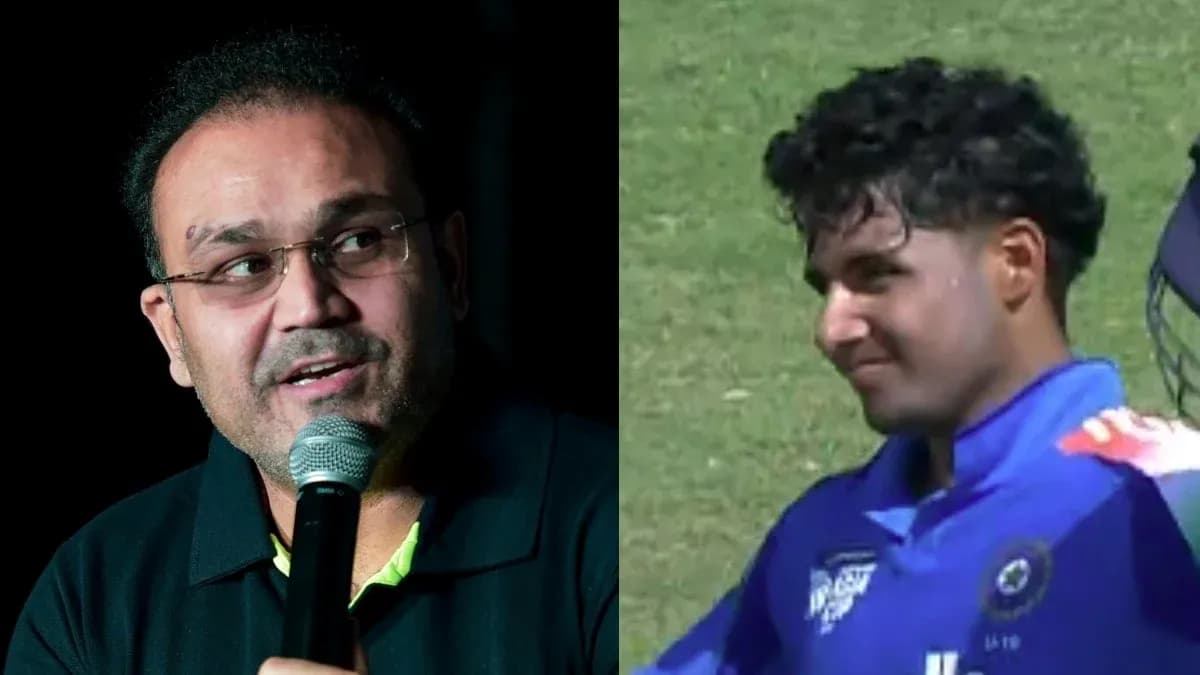
In Al Amerat’s dry heat, with India’s campaign under early strain, a familiar surname walked out to open. The method, though, was entirely his own.
Virender Sehwag once disarmed the new ball with a tune on his lips. His son, Aaryavir, shut out the world with a quiet mantra in his mind. Sita. Ram. Ball after ball.
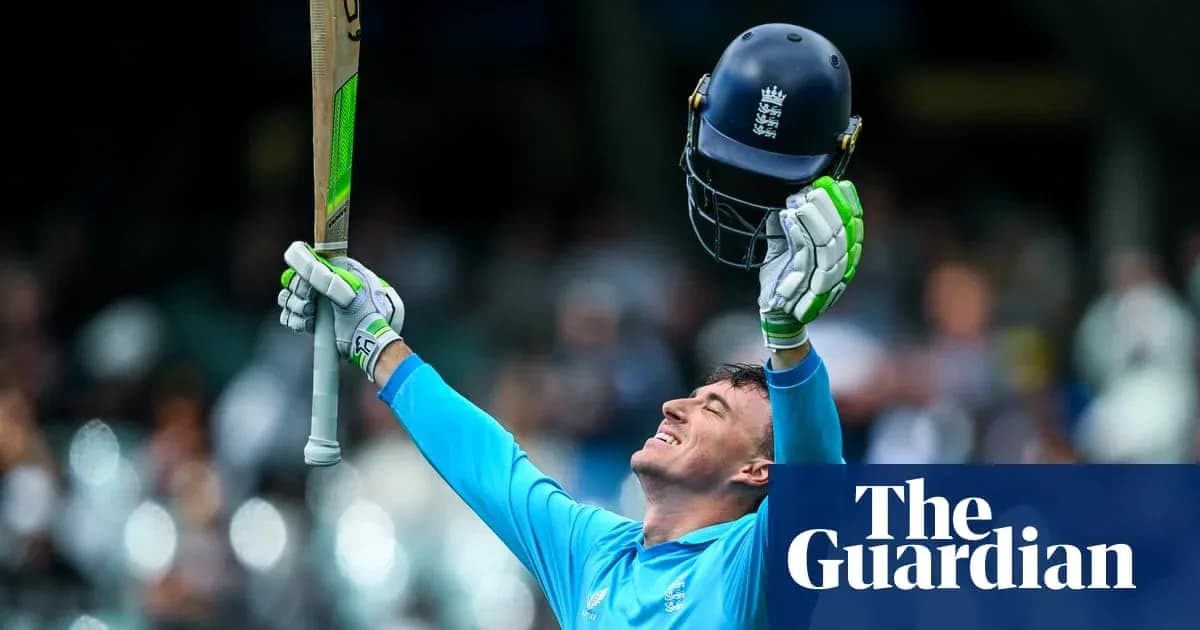
By the time he walked off, he had carved 160 brutal, brilliant runs and dragged India’s U19 Asia Cup bid firmly back on track with a commanding win over UAE.
A different Sehwag, same ruthless intent
India had been jolted by a heavy defeat to Pakistan. Confidence was fragile, the surface in Al Amerat tricky, and the margin for error thin. Losing the toss and being sent in only sharpened the stakes.
Aaryavir started with restraint. No flashing blade, no early fireworks. He dug in, left well, played late. He respected the new ball and the conditions, content to soak up dot balls while the pitch revealed its secrets.
The tempo changed slowly. A crisp drive here, a whip through midwicket there. The strike rotation improved. Fielders started to chase leather instead of chirping. The innings, once cautious, grew into a statement.
By the time he was done, the scoreboard showed 160 – the highest individual score of this U19 Asia Cup so far. More importantly for India, it was the spine around which a convincing victory was built, a performance that steadied a campaign threatening to wobble.
Inside the mind: from songs to Sita Ram
The technique carries traces of his father’s aggression, but the mental routine is distinctly his.
Virender Sehwag famously hummed songs at the crease, a quirky armour against pressure. Aaryavir has turned to something more meditative. He spoke after the game about those conversations with his father, about the importance of staying rooted in the present, not chasing outcomes.
"When I talk to my father about the mental aspect of batting, he tells me something that helps me stay in the present moment. He often sings, so there should be some kind of reset button that keeps you focused on the present," he said.
For him, that reset is spiritual and simple.
"So, when I'm batting, I keep repeating 'Sita Ram' in my mind so that no other thoughts come in. I focus only on the ball. Then, depending on where the ball lands, I play my shot. I just try to react to the ball rather than think about what I should do in a particular situation, or whether I should score a fifty or a hundred."
The method was on full display against UAE. Early on, he allowed himself time. Dot balls did not rattle him; they were an investment. Once set, he shifted gears with authority, turning a watchful start into a commanding, match-defining marathon.
A promise kept
The hundred carried an extra layer of meaning. It was his first for India in Youth ODIs, and it arrived a day after a very personal pledge.
He had spoken to his father the previous night and promised a big score in the tournament. This was the delivery of that promise, in bold, underlined figures.
"The plan was simply to bat for 45 overs. The coaches had also told me to stay there for as long as I could. Initially, when I played dot balls, I didn't mind because I had the belief that I would cover that later. I'm glad I could get a big score and help India win," he said.
The team needed solidity after the Pakistan defeat. He offered that and more, batting deep into the innings, dictating terms, and ensuring India’s response to adversity was emphatic rather than anxious.
Chasing a rare word: “Well played”
For all the runs, all the clean strikes, one verdict still matters most to him. It comes not from a coach or selector, but from the man who once terrorised new balls around the world.
Praise from Virender Sehwag is scarce. That is precisely why it lands so heavily.
"Whenever he texts me saying 'well played' after a good knock, it means more to me than anything else. It's a big moment for me, and I've always loved it when my dad praises my batting because he doesn't do that very often. Whether I score a hundred or not, he doesn't praise me much," Aaryavir admitted.
He also knows there is one guaranteed cheerleader at home.
"So, I hope he's happy, and I hope my mum is happy too. She expresses her emotions well. I hope my dad is happy and proud of me as well," he added.
The innings, then, was not just about rescuing a tournament position. It was about living up to a name, and quietly trying to earn a rare message that simply reads: well played.
Eyes on the bigger badge
For all the noise around a 160, the teenager is not treating this as any kind of arrival. In his own mind, it is a checkpoint, not a destination.
"But it's a long journey, and I'm not satisfied. I'm not done with my cricket yet. I'm looking forward to scoring many more hundreds and winning many more matches. I want to wear the senior Indian team badge," he said.
That is the real dream. The blue of the senior side, the full India crest on his chest, the weight of expectation that his father once carried at the very top of the order.
And there is one more hope attached to that moment.
"Hopefully, when I wear the senior Indian team badge, my father will be able to praise me openly. Until then, the hard work will continue," he signed off.
For now, the image is of a young opener in Al Amerat, eyes fixed on the bowler, mind quietly echoing Sita Ram, carving out his own identity while carrying one of Indian cricket’s most explosive surnames into a new generation.