Cricket Australia Faces Backlash Over Big Bash Sell-Off Plan
Cricket Australia’s Big Bash sell-off plan has run headlong into a brick wall in Sydney.
Within 24 hours of CA confirming it would open the door to private investment in the Big Bash leagues – starting with the sale of the Melbourne Renegades – Cricket NSW went public with a blunt warning: this move could leave Australian cricket “strategically and financially worse off”.
A split at the top
The tension has been brewing for months. CA has been weighing up whether to invite private money into its T20 franchises, with reports of a model built around selling up to 49 per cent stakes in BBL clubs. Behind closed doors, NSW and Queensland had already made their opposition clear.
On Tuesday, CA chair Mike Baird fronted the decision. He framed it as a bold, necessary step to secure the sport’s future.
“By opening the door to private investment in the Big Bash leagues, Cricket Australia is taking a deliberate step to strengthen and secure the long-term future of the game,” Baird said, outlining ambitions to “accelerate growth” and keep money flowing into community cricket, pathways and the elite level.
He stressed the move followed “an enormous amount of analysis, discussion and collaboration over many months” and called it “the best way to secure cricket's future in this country, strengthen the Big Bash and protect our standing on the global stage”.
CA’s vision is clear: new capital, global relevance, a refreshed Big Bash, and – if all goes to plan – the Melbourne Renegades running out under new ownership by the 2027/28 season.
NSW is not buying it.
Custodians versus investors
On Wednesday, Cricket NSW released a statement that stripped away any sense of quiet, internal disagreement. This was open confrontation.
“Cricket NSW is disappointed by Cricket Australia's decision to proceed with introducing private investment into the Big Bash leagues without alignment across Australian cricket,” the statement read.
The core fear is simple and stark: once profits start flowing to external investors, less money will be available for the game’s base.
“This decision risks leaving cricket in NSW and Australia strategically and financially worse off, with direct consequences for our ability to invest in grassroots cricket.”
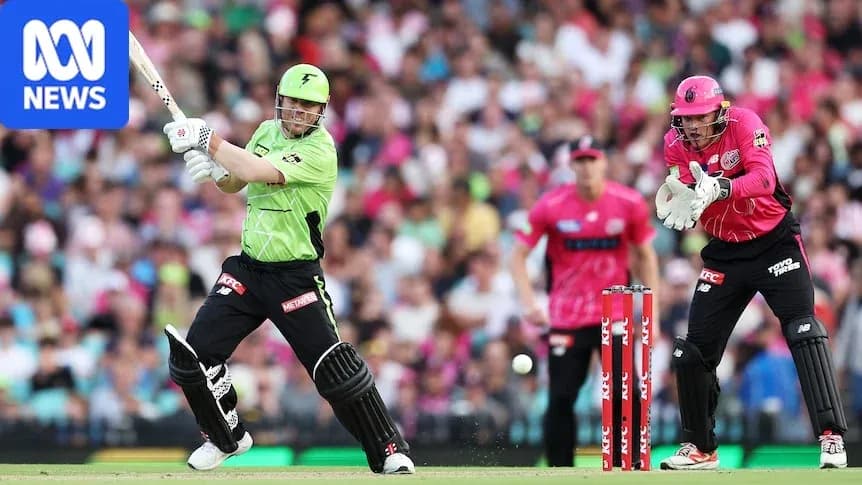
For NSW, this is not theory. It owns both Sydney Sixers and Sydney Thunder. Those clubs generate profits that, under the current model, feed directly back into participation and development.
“The profits from our successful and healthy Big Bash clubs – the Sydney Sixers and Sydney Thunder – are reinvested into growing participation in cricket,” Cricket NSW said.
That circular system – clubs to community, community back to clubs – is what NSW believes is under threat.
“Yesterday’s announcement threatens this system. The redistribution of profits to external investors reduces our ability to invest in community cricket, creating long-term impacts at all levels.”
A breakdown in process
The money is one fight. The way the decision has been made is another.
Cricket NSW made it clear this wasn’t a late objection or a reflexive “no”. It says it raised concerns directly with CA, tabled an alternative plan to strengthen the Big Bash, and backed its position with “high-quality external advice”.
“The Cricket NSW board is also disappointed by the process leading to this decision,” the statement continued. “We have raised concerns directly with Cricket Australia, proposed an alternative pathway to strengthen the Big Bash, and highlighted significant risks within the proposal.”
NSW’s language is that of a custodian, not a shareholder. It repeatedly framed its role – alongside CA and the other states – as guardians of the sport, responsible for both today’s product and tomorrow’s players.
“Our purpose is to inspire everyone to play and love cricket. This starts with growing participation in our sport, ultimately producing great players for our W/BBL clubs, NSW and Australia.”
That is the philosophical clash at the heart of this argument. CA sees private equity as a lever to grow the pie. NSW sees it as a drain on the very foundations that made the Big Bash valuable in the first place.
A defining call for the Big Bash era
For now, CA is pushing ahead. The Renegades are the test case, the first franchise earmarked for a new ownership structure, with the governing body optimistic about a deal being in place in time for 2027/28.
NSW has chosen not to quietly fall into line. It has gone on the record, challenged the process, and warned of “long-term impacts at all levels” if profits are siphoned away from community cricket.
The Big Bash was built as a domestic product with local roots and national reach. Its next phase may be shaped by external investors and global capital.
The question now is whether that shift will supercharge Australian cricket’s future – or slowly erode the system that has kept the game thriving from park pitches to packed stadiums.