Alexander Zverev Claims Second Slam, Defeats Shelton at U.S. Open
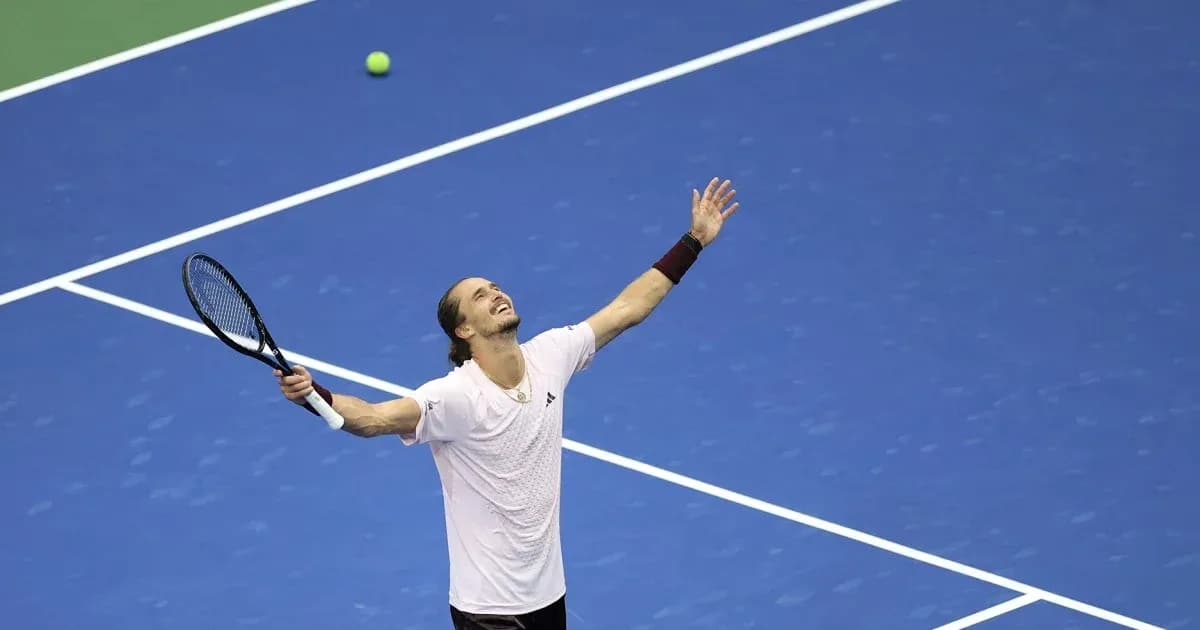
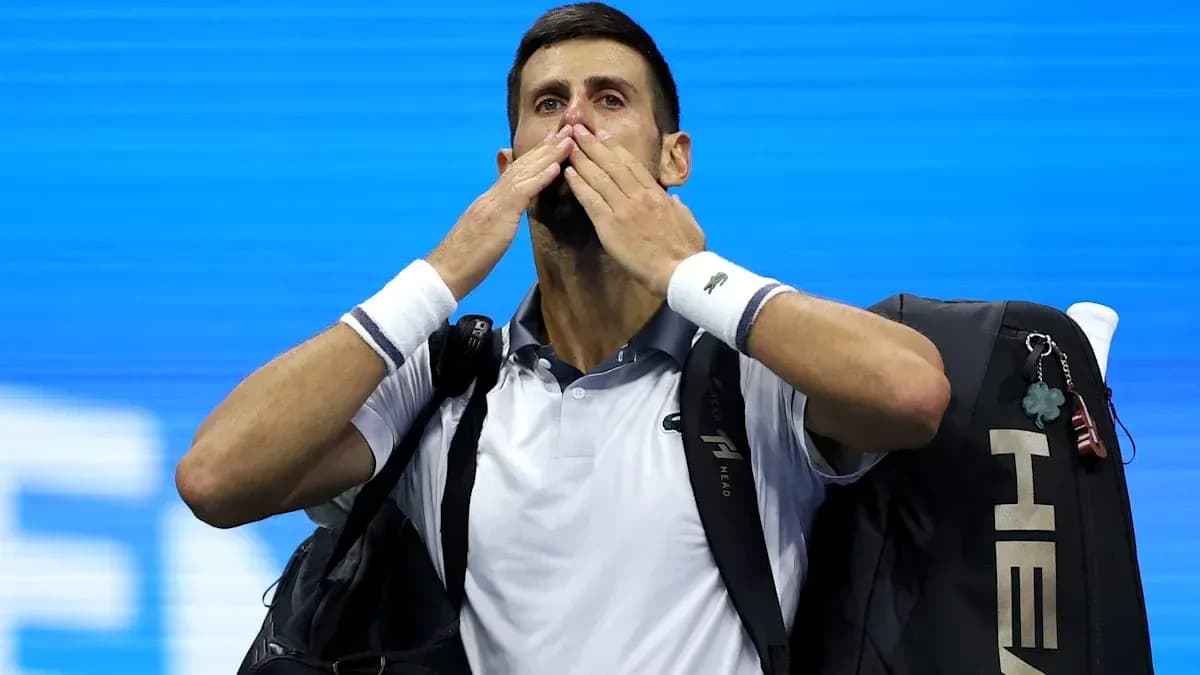
Alexander Zverev walked into Arthur Ashe Stadium as the favorite and walked out as a two-time Grand Slam champion, but nothing about Sunday night in New York felt routine.
Under the closed roof and a wall of American noise, the 29-year-old German outlasted Ben Shelton 6-3, 7-6 (2), 5-7, 6-2 to win the U.S. Open, snuffing out a nation’s two-decade wait for a homegrown men’s champion and halting a powerful, history-laden run from a 23-year-old who had electrified the fortnight.
By the end, Zverev had done what experienced champions do: absorb the storm, then dictate the terms.
Zverev’s steel on the big stage
This was Zverev’s sixth major final. It showed.
He opened with the kind of control that quiets a partisan crowd, his serve landing with metronomic precision, his baseline patterns pinning Shelton behind the court. The first set slipped away from the American 6-3, almost before the stadium had settled into its seats.
Shelton, all coiled energy and big-shot bravado, tried to punch his way into the match. He began reading Zverev’s serve better, stepping in on returns, ripping forehands that finally pierced the German’s defenses. The rallies lengthened, the tension rose, and the second set marched inevitably toward a tiebreak.
That was where Zverev’s composure bit hardest. He tightened his game, took the early mini-break, and never gave it back, sweeping the breaker 7-2. Two sets up, he had the scoreboard, the experience, and for a moment, the air seemed to go out of Shelton’s dream.
It didn’t last.
Shelton’s surge and a nation’s hope
The third set became Shelton’s rebellion against the script.
Down two sets, he refused to retreat. He dug in, chased every ball, and amped up the aggression on return. The crowd, desperate for a foothold, roared with every point he stole from Zverev’s serve. The German, so clinical early, began to look rattled as Shelton’s forehand started landing heavier, sharper, more daring.
Shelton clawed his way to the third set 7-5, and Arthur Ashe Stadium finally sounded like a cauldron. This was no longer just about a match; it was about the possibility of the first American men’s champion since Andy Roddick in 2003, about the first Black man since Arthur Ashe in 1968 to win this title on the court that bears his name.
Fans had come from across the country for this moment. They knew the stakes. They felt the weight of history every time Shelton bounced the ball to serve.
Time violation, no derailment
If there was a moment that threatened to flip the final again, it came early in the fourth set.
Zverev, locked in another tense service game, was hit with a time violation. He protested, animated and incredulous, but the call stood. In a different match, with a different player, that flashpoint might have lingered, might have cracked concentration.
Not this time.
Zverev reset, held his ground, and then struck. He broke for 3-1, a clean, ruthless move that drained the oxygen from the comeback narrative. Shelton kept swinging, but the German had found his rhythm again, his patterns again, his dominance again.
At 4-2, Zverev broke once more, stretching the lead to 5-2. From there, he served it out with the calm of a man who has spent years carrying the expectation that one Slam title was not enough. On championship point, he didn’t blink.
A champion’s emotion, a challenger’s grace
The numbers were clear: 6-3, 7-6 (2), 5-7, 6-2. The meaning ran deeper.
On the podium, Zverev accepted the Tiffany & Co. trophy from Jimmy Connors and a $5.5 million winner’s check, but his mind went back far further than this New York night. He spoke about his diabetes diagnosis at age 4, about the person who refused to let it define him.
“If he wants to be a tennis player, he’ll be a tennis player,” he recalled his mother telling him. “My mother is the most important and strongest person I know.”
Shelton, beaten but unbowed, framed the night through a different lens. His voice carried the faith and perspective that have become part of his identity.
“My successes are a gift, the failures are a gift, and being here playing in front of you guys is a gift,” he said, taking in the stadium that had willed him on all evening.
In the stands, his girlfriend Trinity Rodman somehow lived both of her sporting worlds in one day. The Washington Spirit forward had started in a 3-0 home defeat to the Boston Legacy, then made it to New York in time to watch Shelton’s first Grand Slam final, wearing his shirt as she rode the emotional swings with him.
A run that shook American tennis awake
Shelton’s path to Sunday had already become part of the tournament’s lore.
He had gone toe-to-toe with two-time U.S. Open champion Carlos Alcaraz in a brutal quarterfinal that lasted 4 hours and 28 minutes and ended at 3:33 a.m. Wednesday. He pushed the Spaniard to the edge in Alcaraz’s first major back from a wrist injury, a night so punishing that Alcaraz appeared to vomit into a towel at one point.
Shelton then backed it up on Friday, beating fellow American Frances Tiafoe 4-6, 6-3, 6-3, 7-5, a statement win that sent him into his first major final and deepened the sense that something was stirring in U.S. men’s tennis.
Around Arthur Ashe on Sunday, that feeling was everywhere.
Fans spoke of droughts and turning points. University of Florida supporter Junior Pulayya drove all the way from Florida to New York to watch the Gators alumnus, convinced Shelton represented a new wave.
There had been a shortage of “really solid” American men’s players, he said, but Shelton’s rise, and the success of others this year, could pull a new generation into the sport. Not just for one night. For years.
For longtime fan Shameka Littles of Maryland, the symbolism was impossible to ignore. Shelton, the first Black man in more than 50 years to reach the U.S. Open men’s final, stepping onto Arthur Ashe Stadium with the eyes of a country on him.
She called it “inspiring” to see so many Americans punching deep into the draw, into quarterfinals and semifinals, feeding off each other’s breakthroughs and raising the bar together.
Tracie Saundera, another fan in the stands, admitted she had never seen a Black man in a U.S. Open final in her lifetime; the last time it happened, in 1972, was before she was born. Shelton, for her, was both representation and pure entertainment.
“He just plays with so much passion and energy,” she said. “He’s so fun to watch play, and he’s young and enthusiastic. ... I’m old. Most of my players are retiring, so it’s good to see some of the young kids coming in and just being powerhouses.”
The champion, the challenger, and what comes next
Zverev arrived in New York carrying the momentum of his French Open triumph in June. He survived two tough early rounds, then didn’t drop a set from the second round through to the final. His tennis hardened as the stakes rose. On Sunday, that edge told.
He leaves Queens with a second major, confirmation that his game and resolve can hold under the heaviest lights, and a season suddenly framed by the question of how many more of these nights he can carve out.
Shelton leaves without the trophy, but with something that might last longer: proof that he belongs on this stage, that his game and personality can move crowds and shift expectations.
New York wanted a coronation. It got a contest, a champion who refused to yield, and a challenger who made the sport feel fresh again.
The wait for an American men’s U.S. Open champion goes on. After this fortnight, and this final, how much longer will it be?