Mirra Andreeva: From Breakdown to WTA Finals Champion
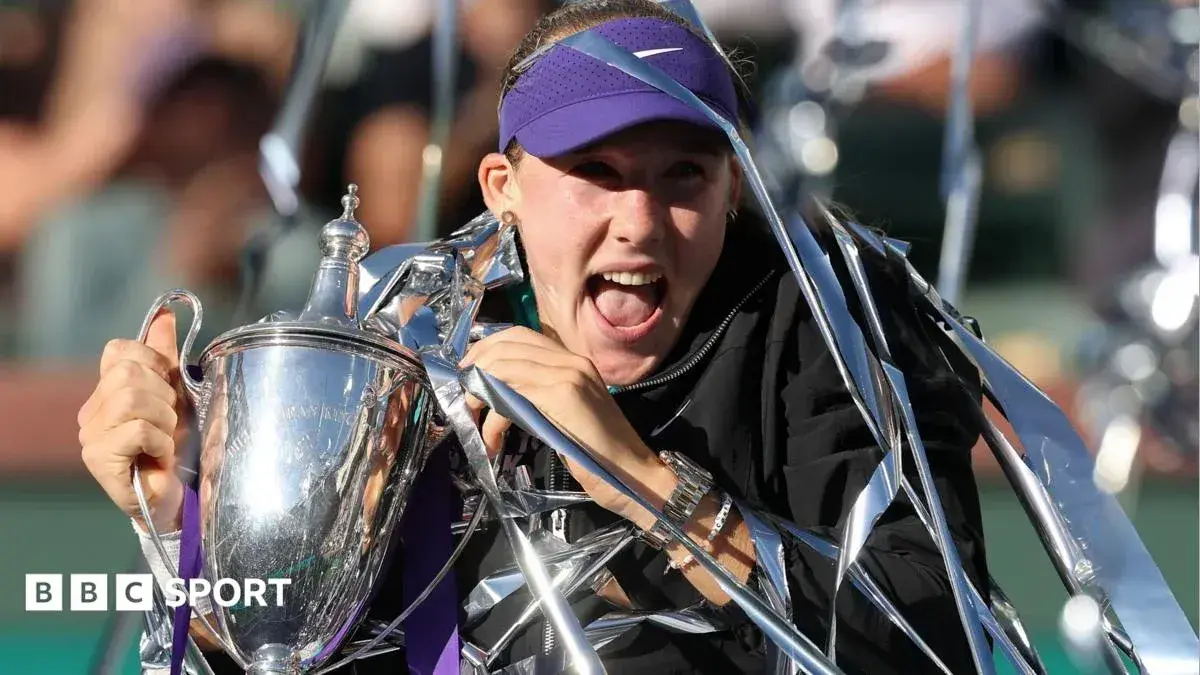
Mirra Andreeva arrived in the desert on the verge of tears. She left it as the best player in the world not named Elena Rybakina – and the youngest WTA Finals champion in more than two decades.
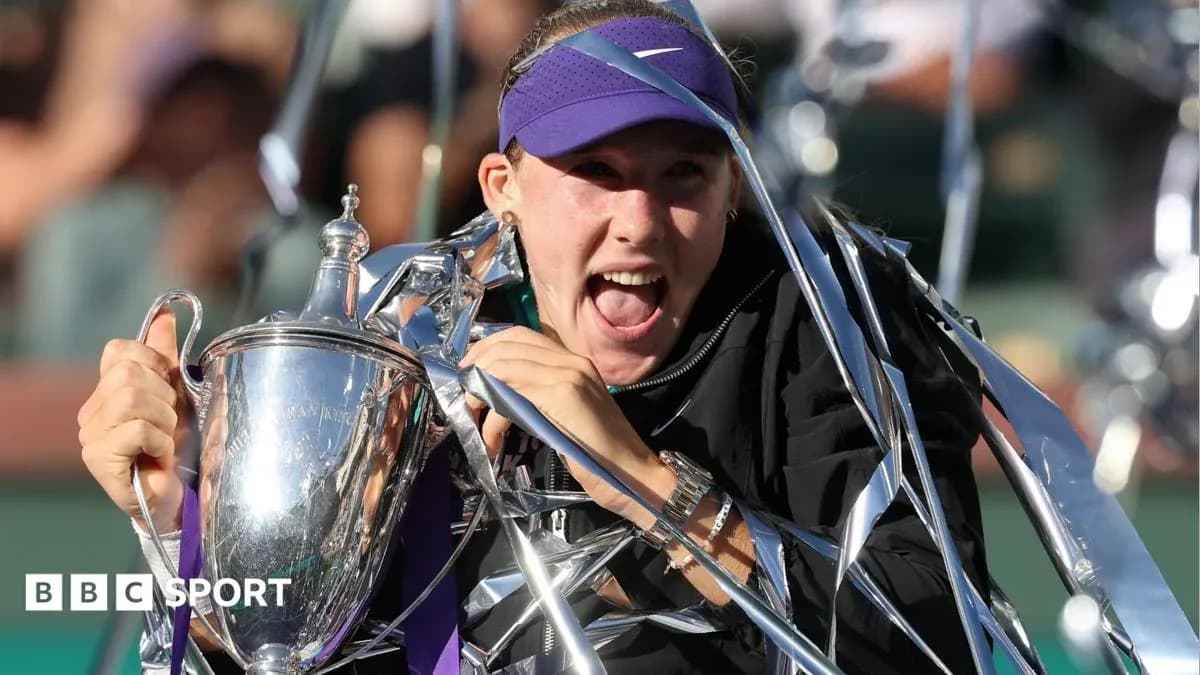
The 19-year-old Russian, who admitted to a “little breakdown” in practice before the event, walked through a field of the game’s heaviest hitters without dropping a set, sealing the title on Sunday with a gritty 7-5 6-3 win over Elina Svitolina in Indian Wells.
Nerves? She turned them into a weapon.
From breakdown to breakthrough
This was Andreeva’s first WTA Finals singles campaign, and the weight of it almost crushed her before a ball was struck. She arrived in California stressed, anxious about even losing a match in the group stage.
Once the tournament started, she never looked like a player afraid of anything.
Five matches, five straight‑set wins. Just 26 games conceded all week. Three top‑10 opponents beaten, including a ruthless dismantling of four-time major champion Aryna Sabalenka in the group phase. The French Open champion didn’t just survive the pressure of the season’s elite finale; she owned it.
Her reward is a leap to No. 2 in the world rankings, only 293 points behind Rybakina heading into 2027. The gap at the top suddenly feels very small.
Taming Svitolina and her own emotions
Svitolina is one of the tour’s great competitors, a problem-solver who drags opponents into long rallies and longer doubts. In March, on the very same courts, that kind of tension got the better of Andreeva, who swore at the Indian Wells crowd after an early exit and wore her frustration openly.
This time, the storm stayed inside.
Against Svitolina, Andreeva’s composure was tested repeatedly. She earned a break lead three separate times across the two sets. Three times, Svitolina clawed back. Lesser players fold there. Andreeva didn’t.
Each time the advantage slipped, she reset. She stepped into her backhand, went after returns, and pushed Svitolina back behind the baseline. The pressure kept coming.
The defining sequence arrived early in the second set. Andreeva dropped serve after a brutal nine-minute game, then strode to her chair, eyes fixed, shoulders squared. In the very next game, she fell 40-0 behind on Svitolina’s serve.
She broke anyway.
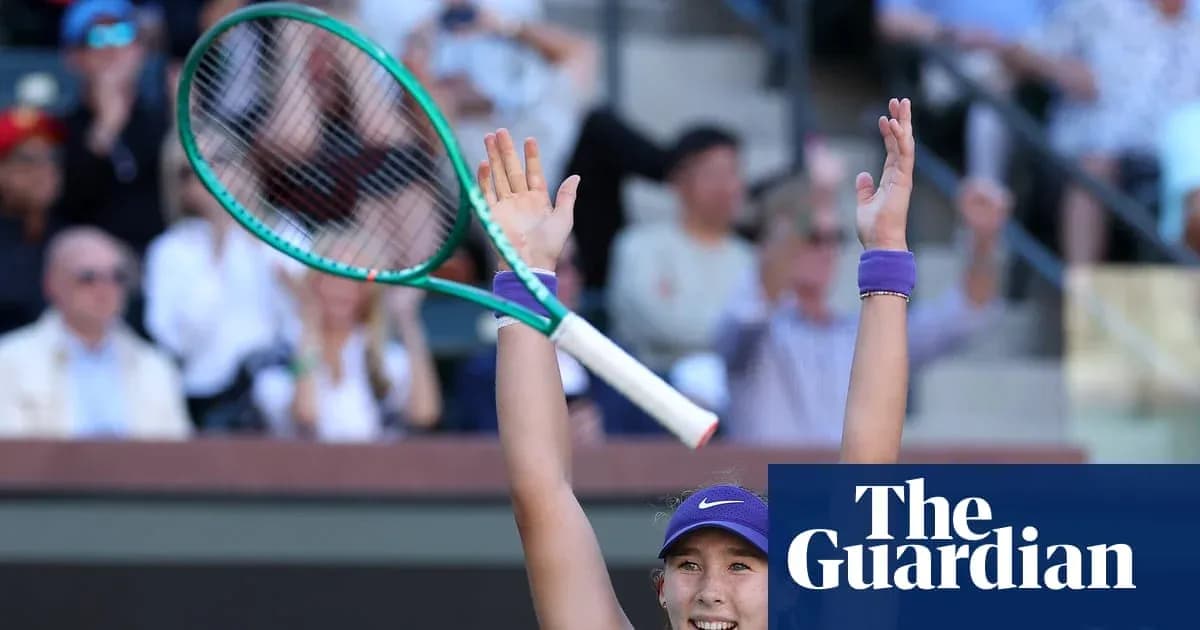
That game felt like a changing of the guard: the veteran grinding, the teenager refusing to blink. Andreeva’s serve misfired at times, but she still saved nine of the 12 break points she faced and finished with 19 winners to Svitolina’s 10. When the last ball sailed long, she threw her arms in the air and sprinted to her box, where 1994 Wimbledon champion Conchita Martinez and the rest of her team waited.
A new steel – and the same edge
Andreeva’s week in Indian Wells was about more than ball striking. It was about control – of points, of tempo, of herself.
The player who once lashed out at crowds and let emotions spill over has started to channel that fire. She talked openly about the mental work behind the scenes, about being pushed to her limits by the people around her.
“I am super thankful to my team for pushing me to my limits, for forcing me to do stuff when I don't want to do anything,” she said on court, smiling through the adrenaline. “Thanks for fighting with me, thanks for forcing me to do everything that I have to do and not asking any questions!”
The fighting mindset, she explained, made her braver and more aggressive when it mattered most. The numbers back her up; her record against top‑10 players this year before the Finals stood at one win in six. In Indian Wells, she beat three of them in a single week.
The volatility that once threatened to derail her is starting to look like something else entirely: edge.
Purple Mercedes, private comments and Snoop Dogg
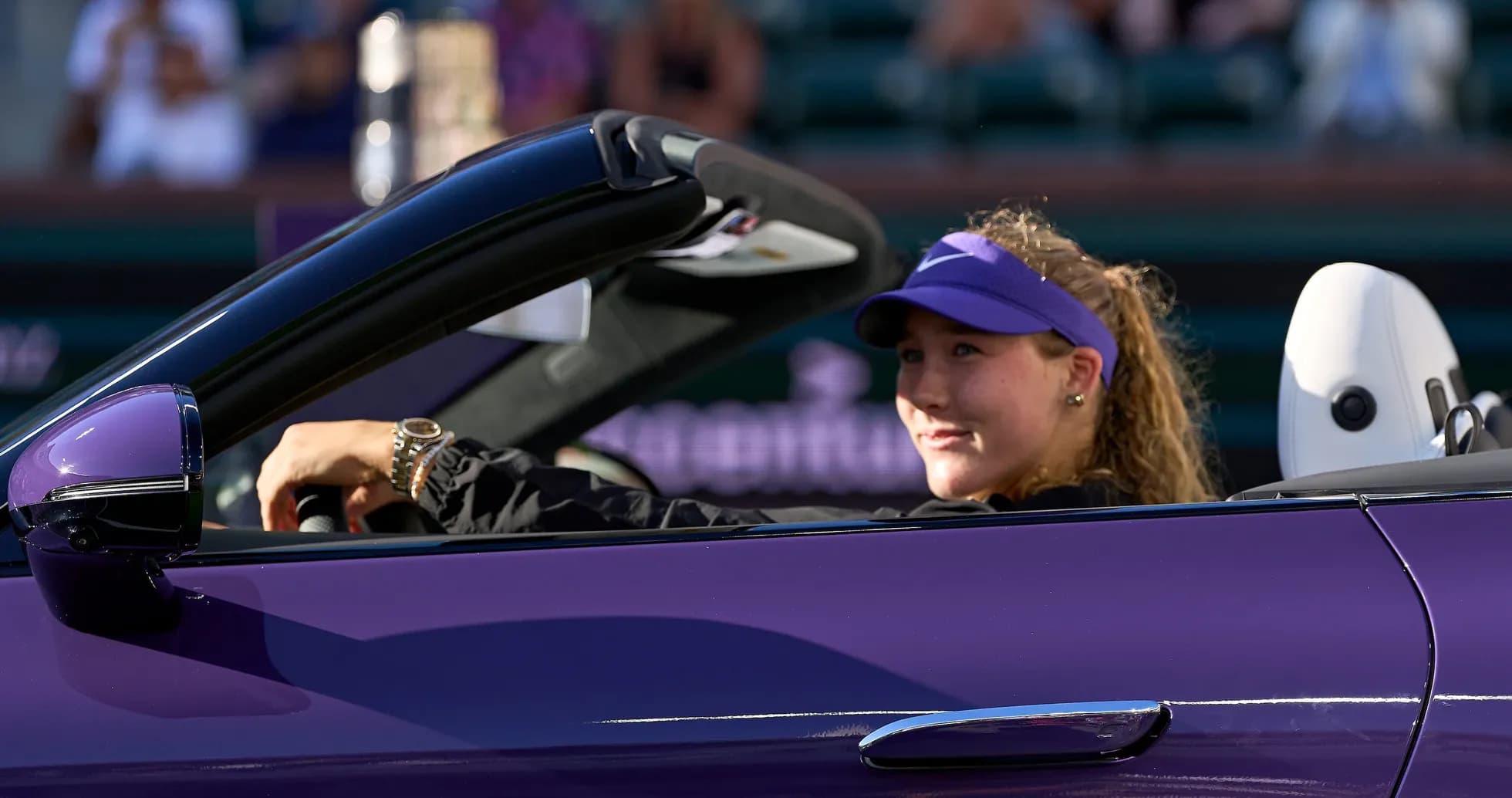
There were lighter moments too. Alongside the £2.55m winner’s cheque, Andreeva collected a custom purple Mercedes, then joked she was happy to stay a “passenger princess” until she finally passes her driving test.
She also handled a potentially awkward pre‑tournament episode with a shrug and a laugh. Private comments from Jessica Pegula to her coach – including calling Andreeva a “diva” – were accidentally live‑streamed. For a teenager still finding her footing in the spotlight, it could have stung.
Instead, Andreeva brushed it off and played the best week of tennis of her life.
And when the trophy was in her hands, she reached for a familiar line. Just as she did after winning Roland Garros, she closed her speech with a twist borrowed from Snoop Dogg.
“I want to thank myself for always doing the hard work and for never quitting,” she said. “For not taking the days off, for working every day and committing to what I have to do – just thanks to myself.”
It sounded less like arrogance and more like a statement of intent from a teenager who has already conquered a major and the year-end stage, and who now sits on the shoulder of the world No. 1.
She arrived in Indian Wells worried about losing a match in the group. She leaves it hunting down the summit of the sport.