Alexander Zverev Advances to US Open Final After Dominating Performance
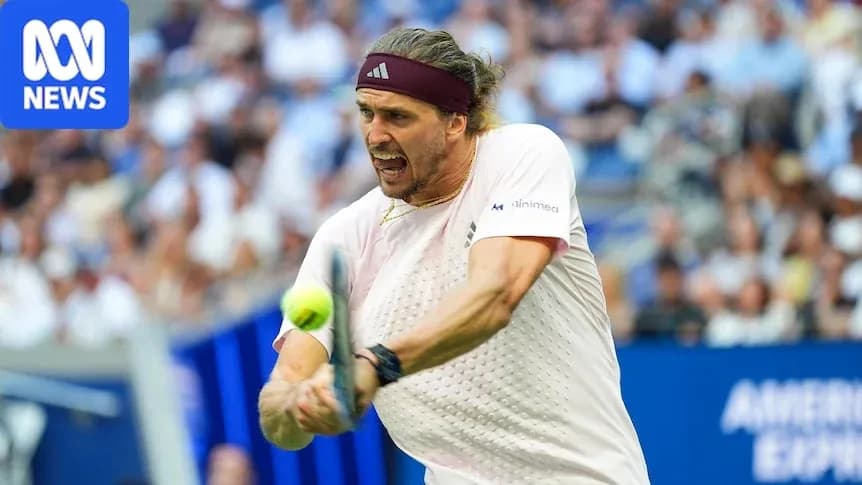
Alexander Zverev knows how it feels to wait. To watch the biggest prizes pass by, to live for years with the label no player really wants: best without a major.
That tag has gone. The hunger has not.
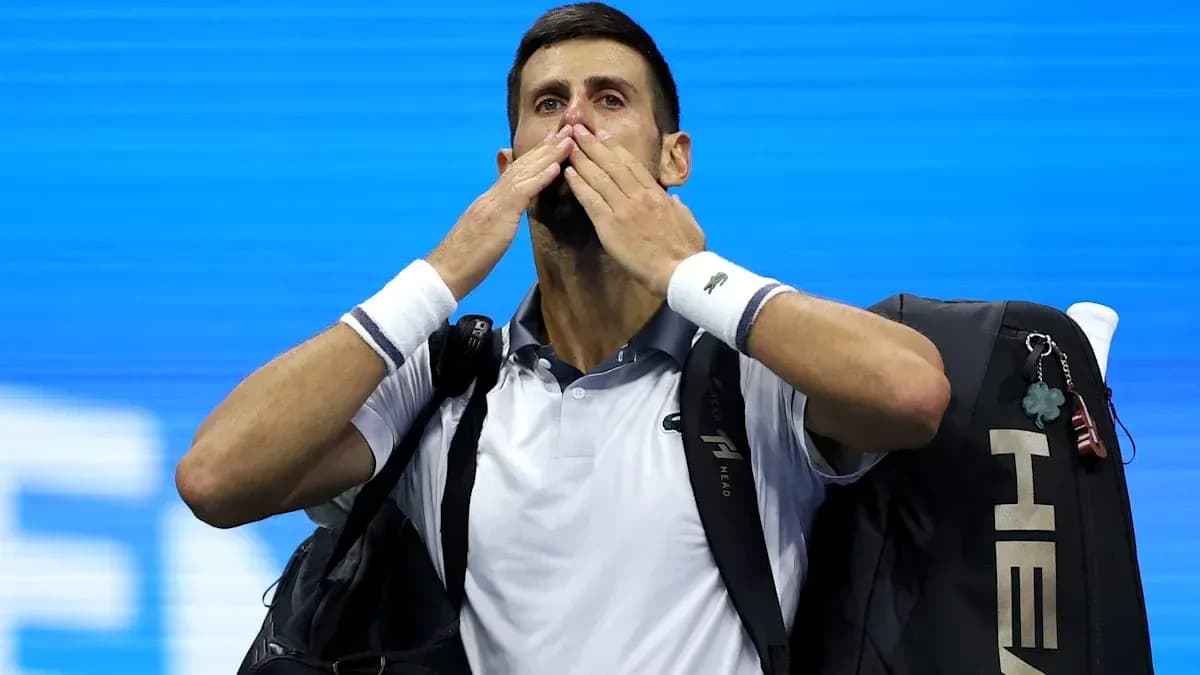
On a humid night at Flushing Meadows, the German marched into another grand slam final, beating Karen Khachanov 6-3, 7-6 (9-7), 7-6 (8-6) to book his place in the US Open title match and keep American men’s tennis stuck in its 21-year drought.
From nearly man to serial contender
Zverev will now play for his second major of the season on Monday morning (AEST), against either No. 8 seed Ben Shelton or No. 11 Frances Tiafoe. One of them will carry the hopes of a nation that has not celebrated a men’s grand slam champion since Andy Roddick in New York in 2003. Neither has ever been this far at a major.
“Hopefully I can not make the American dream come true,” Zverev said, half-smiling, fully serious.
For years he lived with the weight of expectation, his talent obvious, his résumé oddly incomplete. That changed in Paris. Zverev finally cracked the code at Roland Garros this year, then backed it up by reaching the Wimbledon final, losing only to Jannik Sinner. His record in majors this season now stands at a ruthless 24-2.
“Sometimes just things go your way and I feel like I've had a lot of struggles at the major level,” he said. “I was so close so many times and maybe this year God has said that this is going to be your year and just enjoy the time on the court.”
He is doing more than enjoying it. He is owning it.
Exorcising the ghost of 2020
The US Open, though, carries a particular scar. In 2020, Zverev led Dominic Thiem by two sets in the final and still lost, beaten in a fifth-set tiebreak. Thiem became the first man since 1949 to win this title from two sets down. Zverev left with a memory that still stings.
This time, he refused to let a two-set lead unravel.
Khachanov, chasing his first major final after arriving in New York with a losing record for the season, pushed him hard. The Russian had pieced together a surprising run to his third grand slam semifinal — and second at the US Open — and once he settled, he made the No. 1 seed work for every inch.
Zverev took the opening set with authority, 6-3, and then jumped 2-0 ahead in the second. Khachanov finally broke serve to level, found his range, and dragged the set into a tiebreak. Twice he saved set points. The tension rose. The rallies grew longer, heavier.
Then came the point that broke him. A 34-shot exchange, both men pinned to the baseline, trading blows, neither willing to blink. Zverev won it, and with it the set. It felt like a small final of its own.
Khachanov’s surge, Zverev’s steel
Khachanov did not fold. His level in the last two sets, in truth, might have been enough to beat the version of Zverev who staggered through the first week, when he became the first No. 1 seed in history to go five sets in each of his opening two matches at a major, spending nearly nine and a half hours on court against Lorenzo Sonego and Quentin Halys.
He and his team joked about it afterwards.
“He said he and his team laughed about how poorly he was playing after the second match. ‘That kind of sense of humour, it helped me,’ Zverev said. ‘Moving forward, I was playing much better tennis. Obviously I have improved a little bit. Otherwise, I wouldn't be in the US Open final.’”
That improvement showed when it mattered most.
In the third-set tiebreak, Khachanov surged 3-0 ahead, then 5-2. The door creaked open. Zverev slammed it shut. He tightened his patterns, cut out the loose errors, and reeled the Russian back in, point by point, until the match sat on his racket and he did not flinch.
A final with history on the line
While the Shelton–Tiafoe showdown, staged on the 25th anniversary of the 9/11 attacks and featuring two home favourites, dominated the buzz and the secondary market, Zverev and Khachanov played out their own, quieter drama. Tickets for their semifinal went for surprisingly modest prices, even with Khachanov bidding to become the lowest-ranked US Open finalist since the ATP rankings began in 1973.
It didn’t bother Zverev. The German has now won 13 straight sets since those early five-set escapes, his game hardening with every round. Installed as the top seed only after Sinner withdrew with a knee injury, he has grown into the role rather than shrunk from it.
Now comes the stage he knows too well: a US Open final, with the American public desperate for a homegrown champion and a German intent on stretching the wait into a third decade.
He has already ended his own long chase. On Monday, he’ll try to make sure the next great American story stays on hold.