Zheng Qinwen's Remarkable Comeback at the US Open
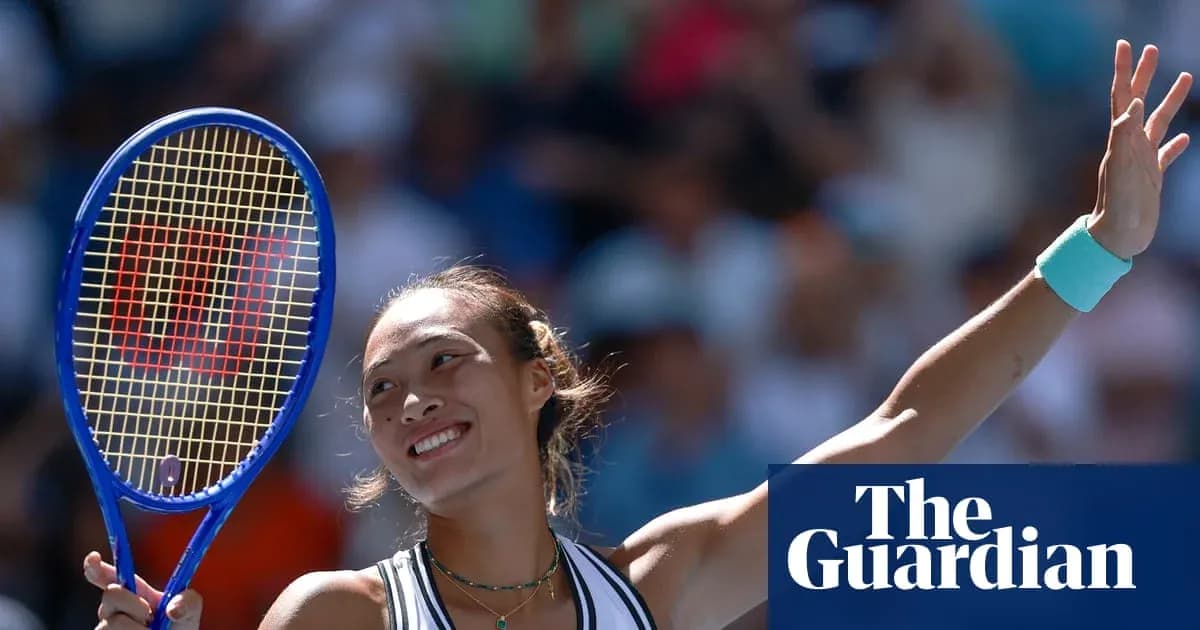
At this US Open, one rule has been carved into hard court: do not, under any circumstances, lead 5-0 against Zheng Qinwen.
Madison Keys learned it first. Iga Swiatek has now felt it even more brutally.
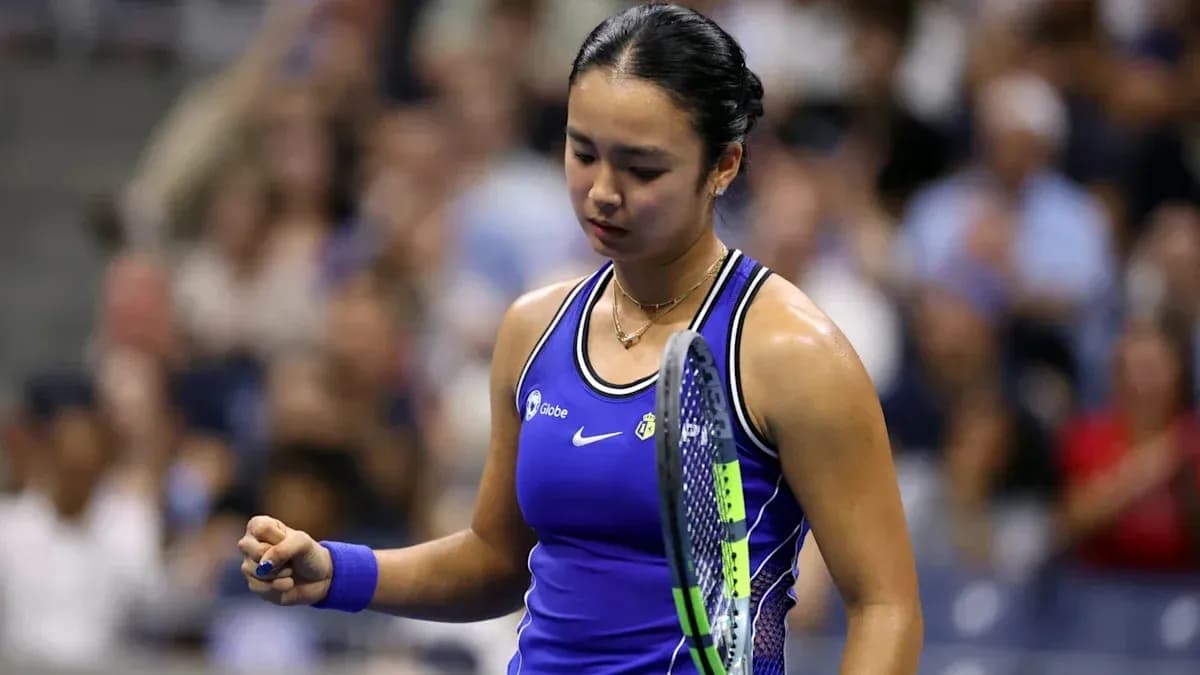
Two days after ripping seven straight games from 0-5 down in a deciding set to stun Keys, Zheng walked into Arthur Ashe Stadium and did it again – this time to the six‑time grand slam champion many still see as the standard of the women’s game. Down 5-0 in the opening set, Zheng locked in, raised her level, and reeled off seven games in a row to steal the set, then never loosened her grip in a 7-5, 6-3 victory that sent her into the US Open quarter-finals.
It was not just a comeback. It was a statement.
A 0-5 scoreline that means danger
Winning seven consecutive games from 0-5 down is rare enough on its own. Doing it in back-to-back matches, against two major champions, at this stage of a slam, is virtually unheard of. The numbers underline how freakish this run is; the eye test says even more.
“In one moment, I even forgot the score in the first set at 4-5,” Zheng said afterwards. “That shows how I am focused. I guess, to come back 0-5 [again] is not lucky, that’s [what] I can say.”
That focus was written all over the match. At 0-5, Swiatek was cruising, striking the ball with the authority that had carried her to the Canadian Open title in Toronto and seemed to have restored the aura that wobbled earlier this season. Then the rhythm went. A couple of loose errors, a service game that slipped, a forehand that flew long.
The door opened. Zheng burst through it.
From 0-5, Zheng tightened everything. The returns grew heavier, the forehand more vicious, the backhand more secure. Swiatek, by contrast, began to spray. The Pole’s game disintegrated into a stream of unforced errors, her control evaporating just as Zheng’s belief surged.
“I wouldn’t say it had anything to do with mentality. It was more that I started making mistakes from easy balls and Qinwen stopped doing mistakes,” Swiatek said.
Once Zheng had snatched that first set 7-5, the dynamic flipped. Swiatek, already candid this year about her battles with anxiety and stress, could not rediscover her feel for the ball. Zheng, sensing a career-defining victory, refused to loosen her grip. She broke, consolidated, and kept Swiatek at arm’s length to close out the second set 6-3 and one of the biggest wins of her life.
From surgery and slump to seven straight wins
This result lands differently because of what Zheng has lived through over the past year.
She arrived in New York as an Olympic champion and former Australian Open finalist, but also as a player rebuilding from the bottom. Her gold medal in Paris had turned her into one of China’s most recognisable athletes. Her run to the 2024 Australian Open final and a climb to No 4 in the world last year marked her as a future No 1.
Then came elbow surgery. The rankings plummeted. The rhythm disappeared.
By June, Zheng had fallen to No 160. Her 2026 season record when she arrived at the US Open was 11-13, a line that spoke of inconsistency, frustration, and long days trying to find a lost game. She even had to swallow her pride and enter the qualifying draw just to get into the main event at Flushing Meadows.
Seven wins later, she is back in the second week of a major and back in the conversation as a genuine contender.
The psychological weight of her recent record against Swiatek makes this turnaround even sharper. Before Sunday, Zheng had beaten Swiatek just once in eight attempts. That lone win had been seismic: the semi-finals of the 2024 Paris Olympics at Roland Garros, where Swiatek had just completed a third straight French Open title and looked untouchable on clay. Beating her again, on hard courts, in this fashion, cements Zheng’s belief that she can stand toe-to-toe with the game’s dominant force.
Rybakina awaits, with No 1 on the line
The reward for Zheng’s resurgence is a quarter-final against Elena Rybakina, the second seed, who is now one win away from becoming world No 1 for the first time.
Rybakina swept past Naomi Osaka 6-1, 6-4 in just 66 minutes on Louis Armstrong Stadium, a performance as clean as the scoreline suggests. She hammered 29 winners against only 17 unforced errors and faced a single break point, which she calmly erased. Osaka, a two-time US Open champion, needed her peak level to live with that power and precision. She never found it.
Achilles pain has dogged Osaka, and her serve – usually the bedrock of her game – never reached the standard required to trouble Rybakina. The Kazakh barely flinched, serving with authority, stepping inside the baseline, and dictating almost every exchange.
Now she stands between Zheng and a place in the semi-finals, with the added tension of a potential coronation at the top of the rankings. Rybakina’s flat, penetrating game against Zheng’s explosive athleticism and refusal to yield promises a clash loaded with both tactical intrigue and emotional stakes.
Andreeva breaks new ground, Blockx joins the last eight
On a day that belonged to Zheng, another rising force quietly moved deeper into the draw.
Mirra Andreeva, the fifth seed and reigning French Open champion, reached her first US Open quarter-final with a gritty 5-7, 6-4, 6-3 win over Anastasia Potapova. It was not vintage from the teenager, but it did not need to be. She absorbed Potapova’s aggression, steadied after dropping the opening set, and gradually took control, her patience and shot selection sharpening as the match wore on.
In the men’s draw, Alexander Blockx wrote his own small slice of history. The 28th seed reached a grand slam quarter-final for the first time with a 6-3, 4-6, 7-5, 7-5 victory over Francisco Cerundolo, the 24th seed. It was a hard, honest match, decided by a handful of key points and Blockx’s nerve in the closing stages of each of the final two sets.
But as night fell over New York, one image lingered above all: Zheng Qinwen, once again storming back from 0-5 down, once again flipping a match on its head, and this time sending the sport’s most relentless front-runner out of the US Open.
If this is what she does while climbing back from surgery and a ranking freefall, what happens when she finally plays from the front?