Zheng Qinwen's Remarkable Comeback at the US Open
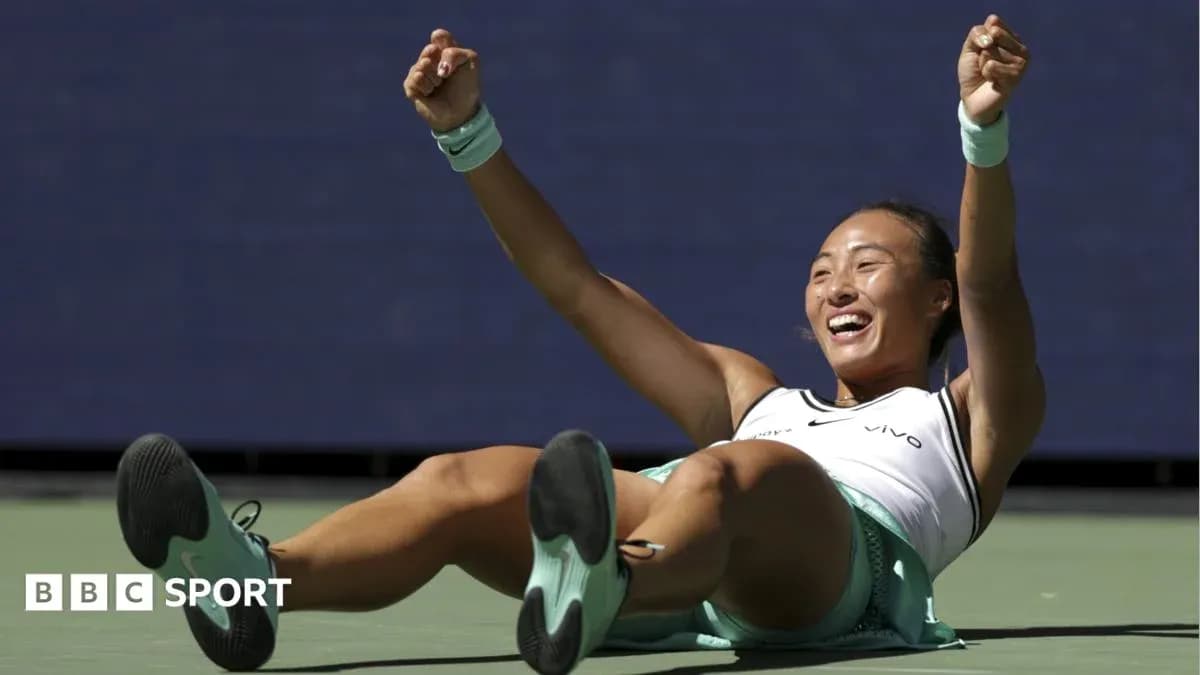
Zheng Qinwen was 5-0 down. Again. And again, she refused to blink.
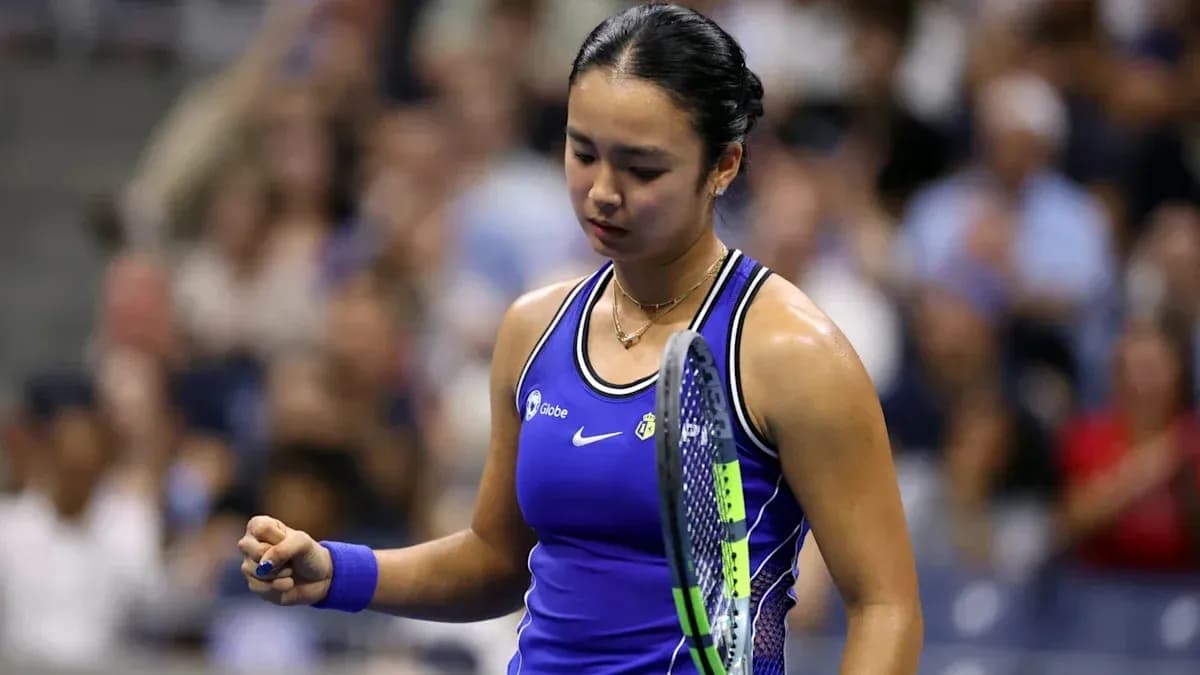
On Arthur Ashe Stadium, under the hard lights and the weight of a former champion across the net, the Chinese 23-year-old tore up the script of Iga Swiatek’s season and extended the most improbable run of this US Open. From a nightmare start against the eighth seed, Zheng roared back to win 7-5 6-3 and reach the quarter-finals, her seventh straight victory in New York after coming through qualifying.
This was not a one-off escape act. It’s becoming her signature.
Two days earlier, Zheng trailed Madison Keys 5-0 in the deciding set of their third-round match. She walked away with seven games in a row and a place in round four. Against Swiatek, the deficit came earlier but felt just as brutal: 5-0 down in the opening set against a four-time major winner who had not dropped a set all tournament and arrived with a WTA 1000 title from Toronto and a semi-final run in Cincinnati.
The match looked over before it had even begun. Then the momentum snapped.
Zheng began to land first serves. The forehand, so often a barometer of her confidence, started to spit through the court. She clawed one game back, then another. Swiatek’s depth shortened by a fraction, her footwork just a touch less crisp. The set that seemed destined for a rout turned into a street fight.
Zheng won seven of the next eight games to steal the opener 7-5, a staggering 13-of-16-game surge that would carry through the rest of the night.
This is a comeback story layered on top of another. The reigning Olympic champion and former world No. 4 spent much of this year in the wilderness, her ranking tumbling outside the top 100 as she struggled to find rhythm after elbow surgery in July 2025. For a player who stood on top of the podium in Paris in 2024, it was a brutal reset.
Now she is one win from re-entering the top 50, having started this fortnight in the qualifying draw.
“The more matches I play, the more rhythm I have on court,” Zheng said, the confidence of repetition replacing any hint of fatigue. She brushed off questions about tiredness. “When I arrived I was not tired at all. I felt really pumped for my match, trying to reach better levels here and enjoy this fantastic stadium.”
She is doing more than enjoying it. She is owning it.
Once Zheng wrestled control of the baseline, Swiatek’s game frayed. The Pole, 25, had built her summer on relentless pressure and immaculate discipline, but the precision deserted her just when she needed it most. Still, she hung on at the start of the second set, keeping things on serve and looking for a foothold.
The door slammed in the seventh game.
Zheng pounced on a second serve and uncorked a backhand return winner that ripped through the court and through Swiatek’s resistance. It was the kind of shot that doesn’t just win a point; it changes the air in the stadium. Two games later, Zheng broke again to close out the match 6-3, sealing one of the standout wins of her career.
Swiatek had taken a medical timeout at 2-1 in the second set for treatment to her left thigh, but the broader story of her season was already written across this loss. A fourth-round exit in New York means she will finish a year without a Grand Slam title for the first time since 2021. Her best result at the majors in 2026: a quarter-final in Melbourne. She fell in the fourth round in Paris and saw her Wimbledon title defence end in the third round.
For a player who has set the standard in the women’s game in recent years, this is a jarring comedown.
Zheng, though, has long been a problem for her. Coming into this clash, Swiatek had won seven of their eight meetings, but the exception was a painful one: the semi-finals of the 2024 Olympics in Paris, where Zheng’s victory paved the way to singles gold. On Ashe, the Chinese qualifier summoned that same fearless, first-strike tennis and layered it with the grit of someone who has spent three rounds fighting through qualifying.
Her reward is a quarter-final against either former US Open champion Naomi Osaka or second seed Elena Rybakina, a blockbuster assignment that will be decided later on Monday. Whoever emerges will face an opponent who has already played herself into form, confidence, and a kind of dangerous freedom.
Zheng is walking a path that feels familiar in New York. The last qualifier to reach this stage of the women’s draw here was Emma Raducanu, who famously went on to win the title in 2021. And Zheng is part of a broader wave of qualifiers disrupting the established order this season: at Roland Garros, Poland’s Maja Chwalinska began the French Open ranked 114 in the world and reached the final, where she lost to Russian teenager Mirra Andreeva.
Andreeva, the reigning French Open champion, added another chapter to her own fast-rising story on Monday, recovering from a set down against Anastasia Potapova to reach her first US Open quarter-final. The new generation is not waiting its turn; it is barging through the door.
Zheng stands right in the middle of that surge. She has already taken out a former US Open champion in Keys and now a former world No. 1 and four-time major winner in Swiatek. She has done it from a ranking hole that would have crushed lesser careers, and from deficits on the scoreboard that should have broken belief.
From 5-0 down in one match. From 5-0 down in the next. From outside the top 100 to the bright lights of Arthur Ashe.
The question now is not whether Zheng belongs at this level. It’s how far this run, and this revival, can carry her.