Zheng Qinwen Stuns Swiatek to Reach US Open Quarter-Finals
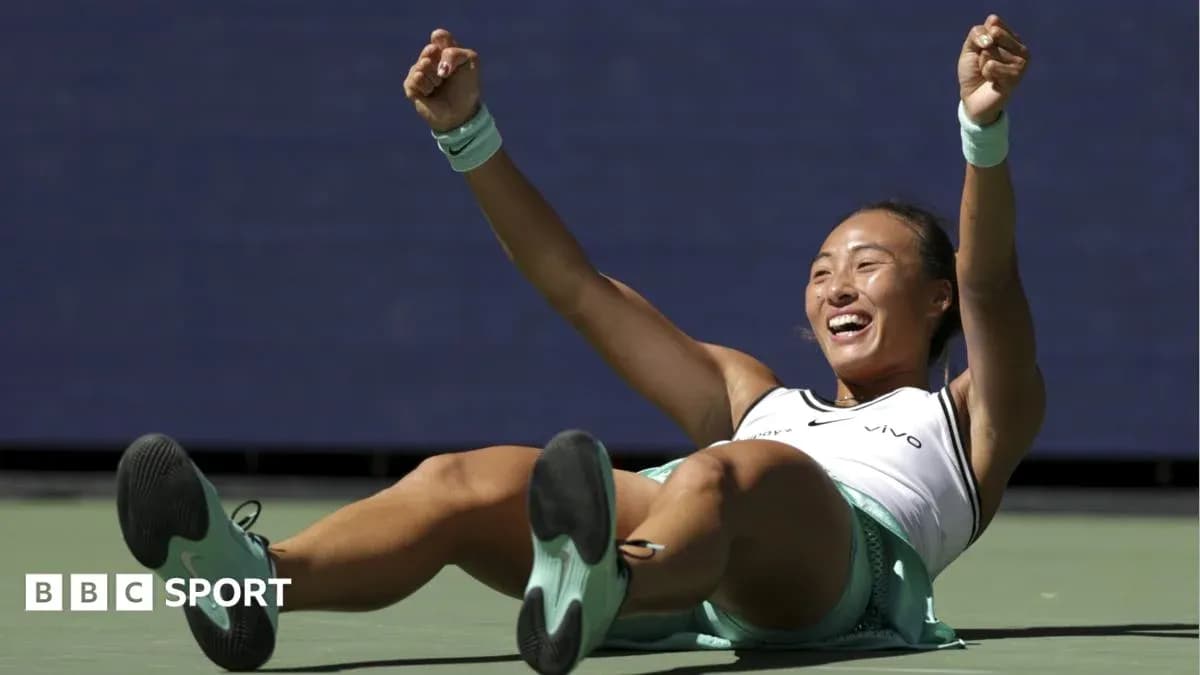
On Arthur Ashe Stadium, the scoreboard said 5-0 to Iga Swiatek. The match, on paper, looked done. Zheng Qinwen didn’t read that script. Again.
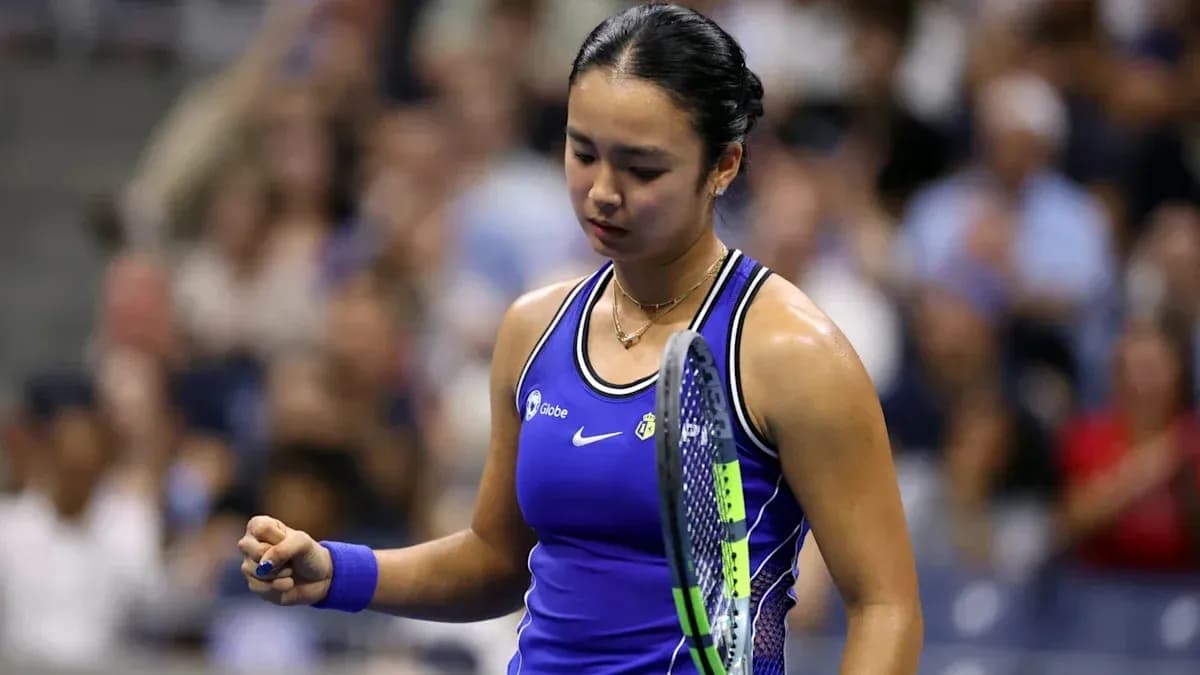
For the second straight round in New York, the 23-year-old from China climbed out of a 5-0 hole in a set and turned it into a statement victory, this time against a former US Open champion and one of the sport’s modern forces. Zheng’s 7-5 6-3 win over eighth seed Swiatek fired her into the quarter-finals and pushed her astonishing run from the qualifying rounds into the second week with real menace.
From outside the top 100 to dismantling a champion
Not long ago, Zheng was disappearing from the rankings conversation. Elbow surgery in July 2025 stalled her rise, and by early this year the reigning Olympic champion and former world number four had slipped outside the top 100, fighting rust and doubt more than opponents.
Now she’s seven wins deep in New York, three of them from qualifying, and is back on the brink of the top 50. The turnaround has been as abrupt as it has been brutal for those across the net.
On Saturday, Madison Keys led Zheng 5-0 in the deciding set of their third-round clash. Keys never closed it out. Zheng reeled off seven straight games, stole the match and walked into round four riding a wave of adrenaline and belief.
Swiatek arrived with pedigree and form. A former champion in New York, she had just lifted the WTA 1000 title in Toronto and reached the semi-finals in Cincinnati. She had not dropped a set through the first three rounds. This was supposed to be a step back into Grand Slam contention.
Instead, it became another chapter in Zheng’s improbable surge.
The comeback that broke Ashe wide open
Swiatek came out sharp, punishing short balls, stretching Zheng wide, racing to that 5-0 lead in the opening set. The gap looked unbridgeable. Then Zheng’s game caught fire.
The forehand started to land with depth, the backhand began to sting, and the serve found its range. From 0-5 down, she won 13 of the next 16 games, turning a rout into a rout of her own. The atmosphere on Ashe shifted with her, from polite expectation of a routine Swiatek win to the electricity that only a full-scale upset can bring.
The turning point arrived late in the first set. Zheng refused to surrender it as a write-off, held, broke, and suddenly Swiatek’s control frayed. Zheng dragged the set back to 5-5 and then completed the heist, 7-5, with the kind of controlled aggression that has defined her best tennis.
The second set settled into a tighter pattern, both players holding serve and probing for an opening. At 3-3, Zheng pounced. On break point in the seventh game, she unloaded on a backhand return, crushing a clean winner to seize the initiative. The pressure finally told again two games later as she broke once more to close out the match 6-3.
Swiatek, who took a medical timeout for treatment to her left thigh while leading 2-1 in that second set, never rediscovered the dominance of the early stages. Zheng never let her.
“The more matches I play, the more rhythm I have on court,” Zheng said, summing up a fortnight that has seen her sharpen with every round. She spoke of feeling “really pumped” rather than tired, intent on pushing her level higher and soaking in the scale of Arthur Ashe Stadium. The evidence is there in every comeback, every strike off both wings.
A familiar face, a familiar wound for Swiatek
This was no fluke matchup. Zheng’s only previous win in eight meetings with Swiatek came on one of the sport’s grandest stages: the semi-finals of the 2024 Olympics in Paris, a victory that propelled her to singles gold. She has now repeated the trick at another marquee event, this time as a qualifier, this time from the brink of a first-set humiliation.
For Swiatek, 25, the defeat seals a strangely lean Grand Slam year. A quarter-final in Melbourne stands as her best major result of the season. She exited in the fourth round at Roland Garros, saw her Wimbledon title defence end in the third round, and now falls in the last 16 in New York.
It means that, for the first time since 2021, she will close a season without one of the four majors in her hands. The late-summer surge on hard courts hinted at a different ending. Zheng slammed that door shut.
Qualifier echoes and a new wave
Zheng’s surge from the qualifying draw inevitably stirs memories in New York. The last woman to come through qualifying and reach this stage of the US Open was Emma Raducanu in 2021, and she went all the way to the trophy. No one inside the grounds needs reminding what a hot-handed outsider can do here.
She is also part of a broader pattern in 2026. At Roland Garros, Poland’s Maja Chwalinska arrived as world number 114 and played her way into the final as a qualifier, only to fall to Mirra Andreeva. The Russian teenager is now making her own strides in New York, recovering from a set down against Anastasia Potapova to reach her first US Open quarter-final.
Zheng, though, has stolen this particular night.
Osaka or Rybakina next
The reward is a quarter-final against either former US Open champion Naomi Osaka or second seed Elena Rybakina, with that matchup to be decided later on Monday. It is a brutal draw on paper. Zheng has already shown what she does with those.
From post-surgery struggles and a ranking slide to clawing back from 5-0 deficits in consecutive matches, her New York story has shifted from curiosity to genuine threat.
The question now is no longer whether Zheng Qinwen belongs back among the game’s elite. It’s how far this fearless qualifier, already an Olympic champion, can push the limits of this US Open run.