WTA Heads East: Singapore Open and Korea Open Spotlight
The US Open may close the New York chapter of the season, but it never closes the book. On Monday, Sept. 21, the WTA caravan heads east, opening its Asian swing with a newly upgraded Singapore Open and a talent‑packed Korea Open.
Two weeks after the last ball is struck in Flushing Meadows, the tour’s storylines simply change time zones.
Singapore’s big return, now with bigger stakes
Singapore is back on the tennis map, and this time the spotlight is brighter.
Once a stop‑start presence on the calendar, the Singapore Open – also known as the Singapore Tennis Open – has been elevated from WTA 250 to WTA 500 status this year. That single digit change matters. It means more ranking points, more prize money, and, crucially, a deeper draw.
The event’s history is anything but linear. First staged in 1986, it has nowhere near 40 champions to show for its 40-year existence. The tournament disappeared from 1991 to 1993, then again from 1995 all the way through 2024. For almost three decades, Singapore was a tennis what‑if.
The comeback began in 2025. Elise Mertens won the title in that return edition and now arrives as the fourth seed, defending a trophy that suddenly carries more weight in the rankings race.
This year’s field was supposed to be headlined by Jessica Pegula, the 2026 US Open semifinalist. Her withdrawal strips the draw of a marquee American name but not of star quality. The reshuffled top line belongs to Mirra Andreeva, the reigning 2026 French Open champion, who steps in as the new No. 1 seed and instant favorite.
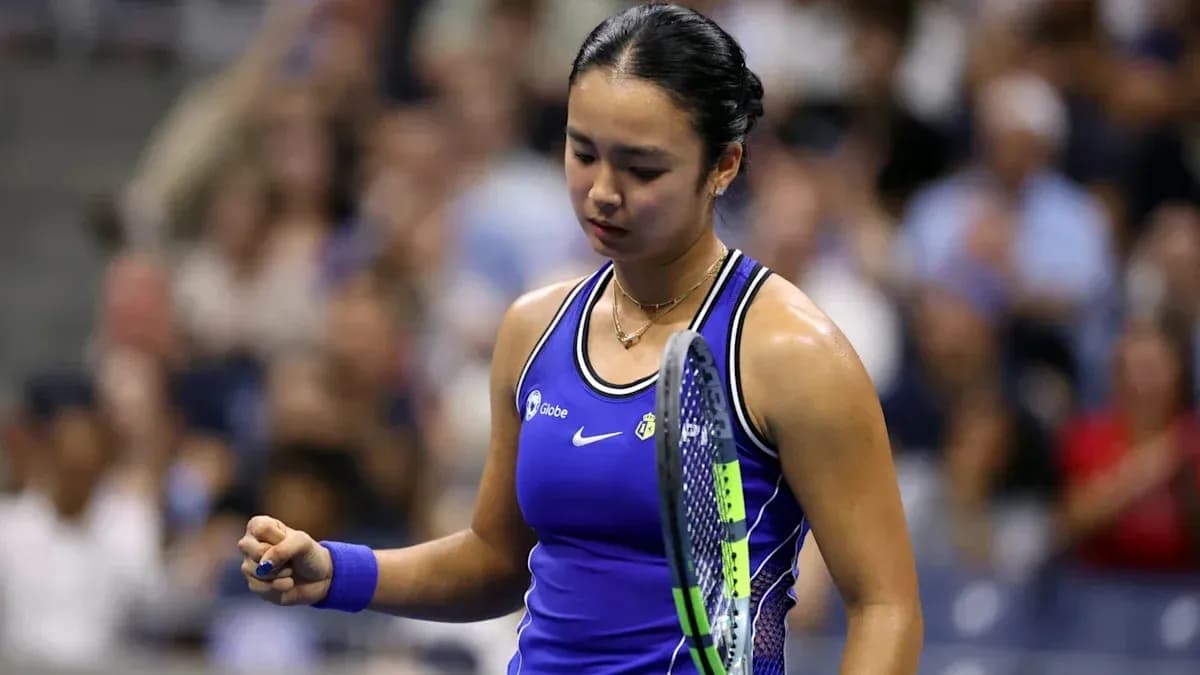
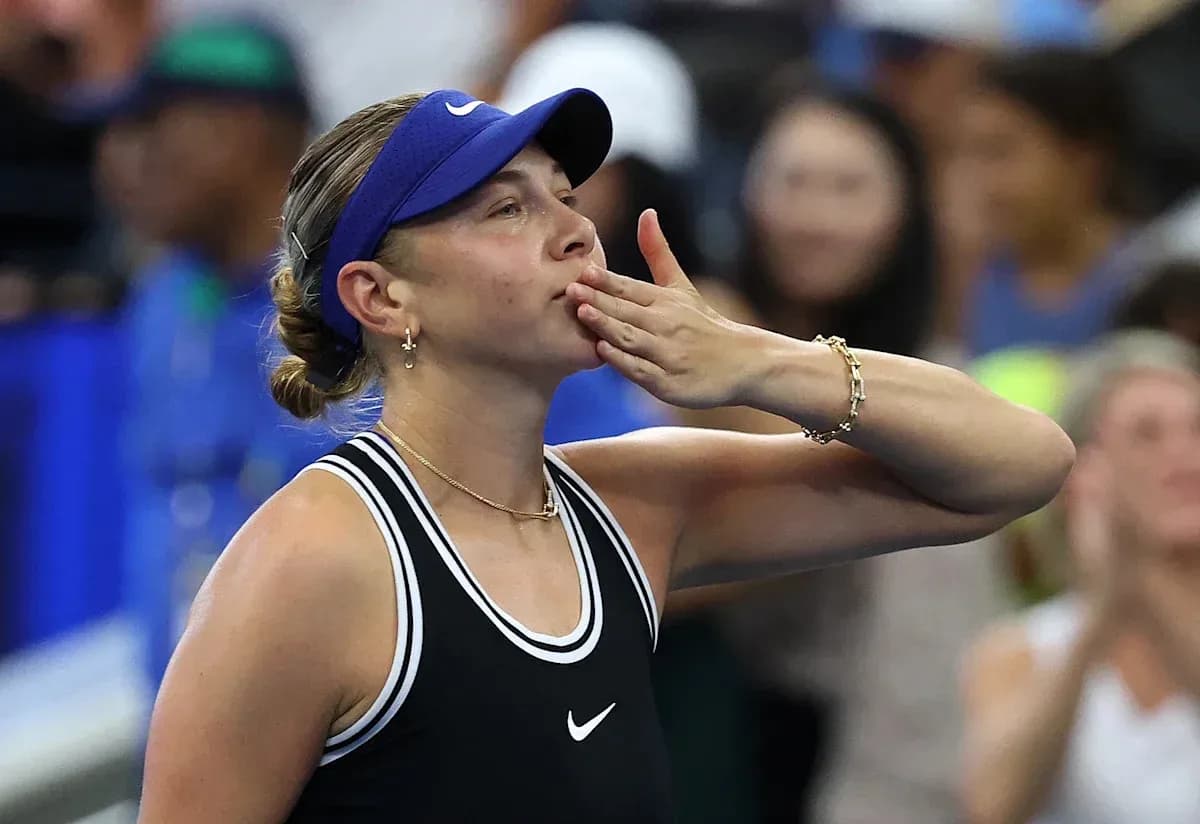
Behind her, the draw has teeth. Amanda Anisimova takes the second seed. Filipina sensation Alexandra Eala, seeded third, brings something no ranking can quite measure: electricity.
You could feel it in New York on September 5, 2026, when Eala walked onto court ahead of her third‑round match against Iva Jovic at the US Open. Now that same energy has crossed the Pacific.
Eala mania and Singapore’s new heartbeat
In Singapore, Eala isn’t just another seed. She is the story.
“Eala mania” has taken hold of the city. Nike has rolled out custom Eala merchandise, built around the sampaguita, the national flower of the Philippines. It’s more than a branding exercise. It’s a signal that Southeast Asia has a genuine tennis figurehead, and that the sport is ready to lean into it.
Fans queued for hours outside the store, waiting for a chance to grab the new gear and, by extension, a piece of Eala’s rise. For a tournament that vanished from the calendar for nearly 30 years, this kind of organic buzz is priceless. The upgrade to WTA 500 has given Singapore status; Eala and Andreeva give it narrative.
The draw now carries a different weight. Ranking points are on the line, yes, but so is positioning in a region that has long been seen as a market, not a hub. Singapore, with its reborn event and surging regional star, is trying to change that.
Seoul stages its own show
A six‑hour flight away, the Korea Open is ready with its own script.
Seoul hosts a WTA 250 this week, but the label doesn’t tell the whole story. The top seed is Grand Slam champion Jelena Ostapenko, the Latvian whose explosive, risk‑heavy game can turn any draw into chaos. Her presence alone gives the event a clear focal point and a proven champion at the top of the bracket.
The Korea Open doesn’t have the new 500 status Singapore enjoys, yet it fits snugly into the autumn race. Players chasing points, confidence, or simply rhythm before the season’s closing stretch will see Seoul as an important stop.
Two tournaments. Two different tiers. One shared purpose: to shape the closing chapters of 2026.
The US Open might have crowned its winners, but the season’s verdict is still wide open.