WTA Finals 2026 Preview: Indian Wells Showdown

The desert usually belongs to March. This year, it gets November, too.
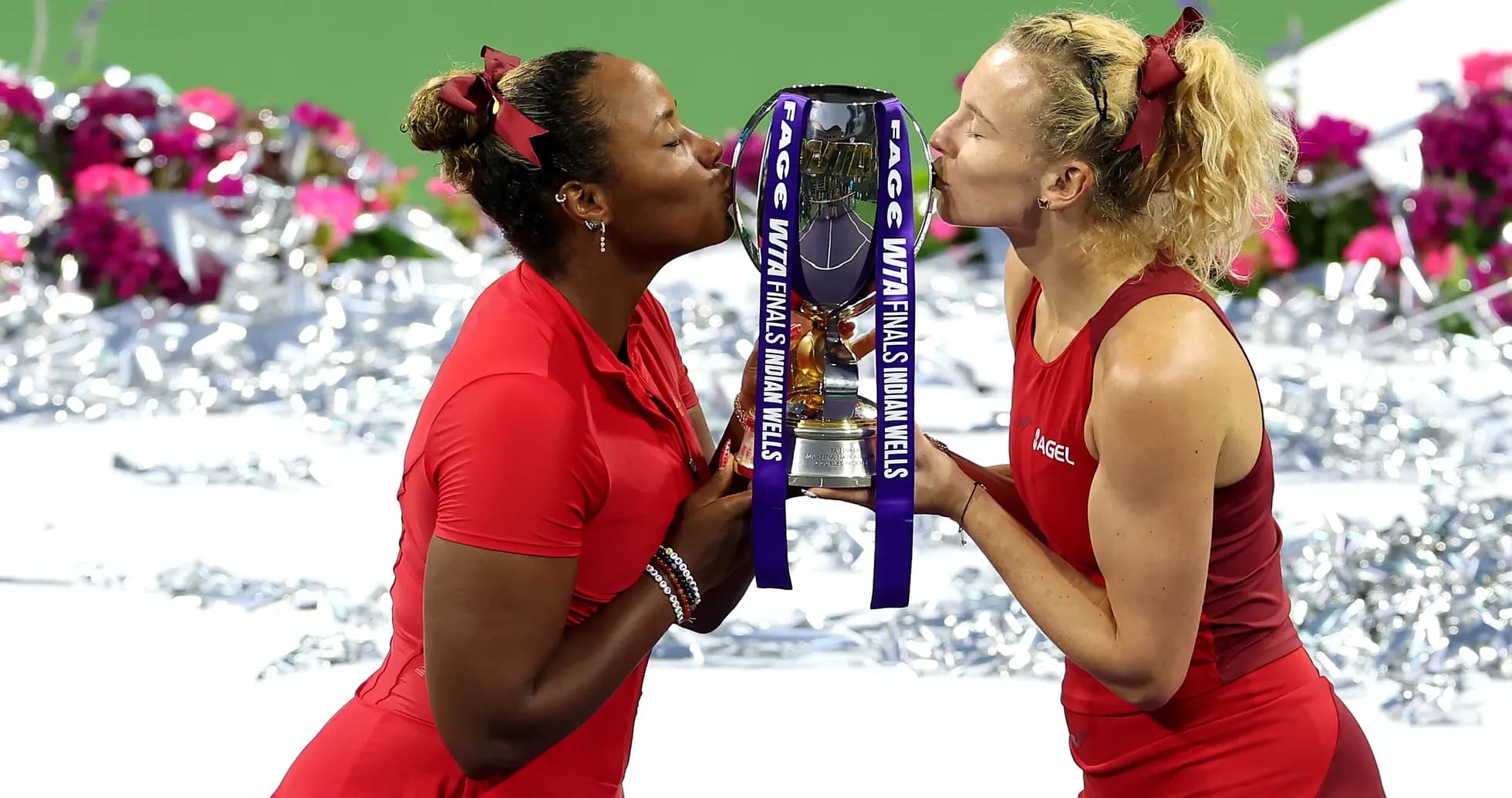
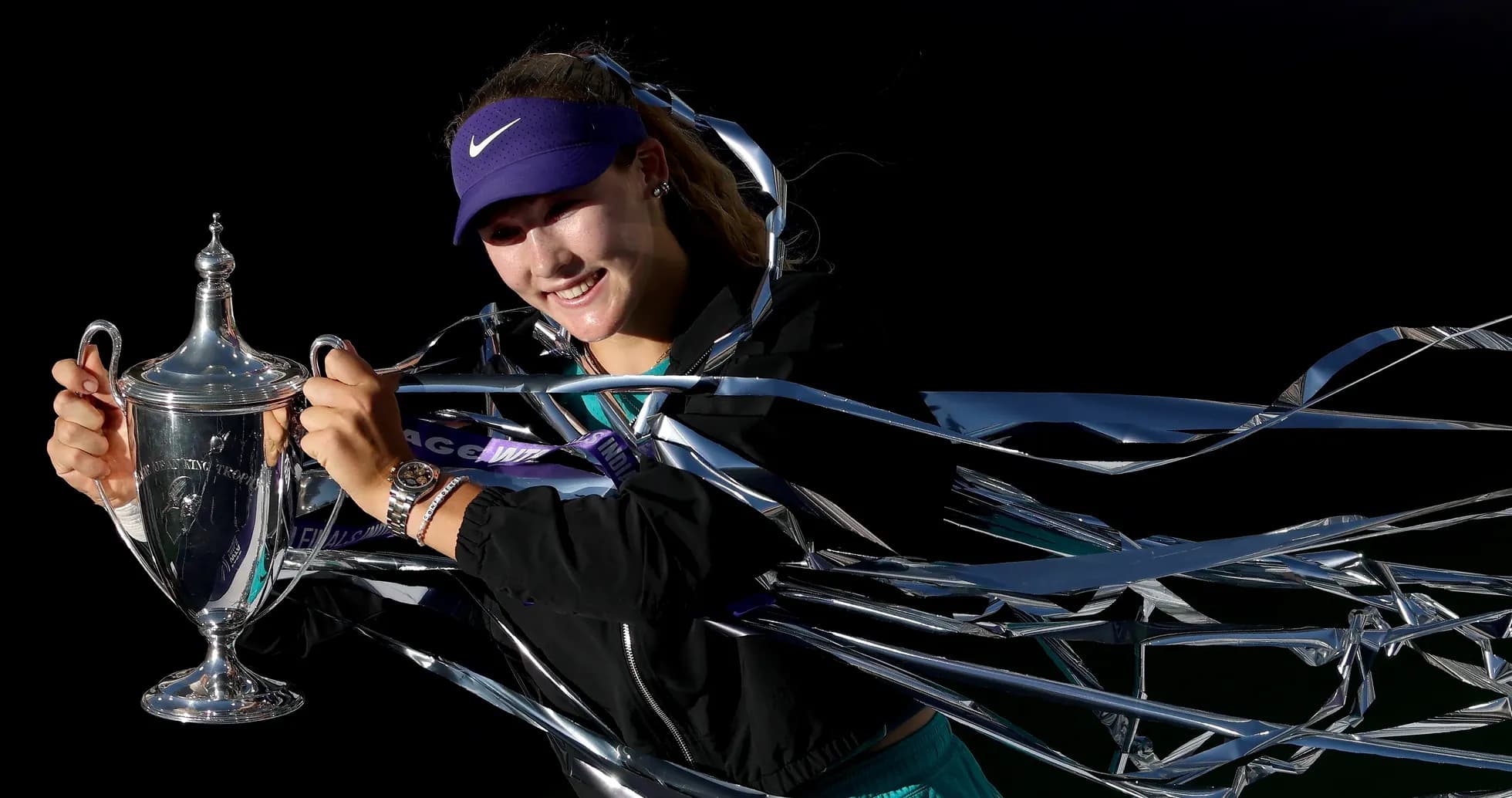
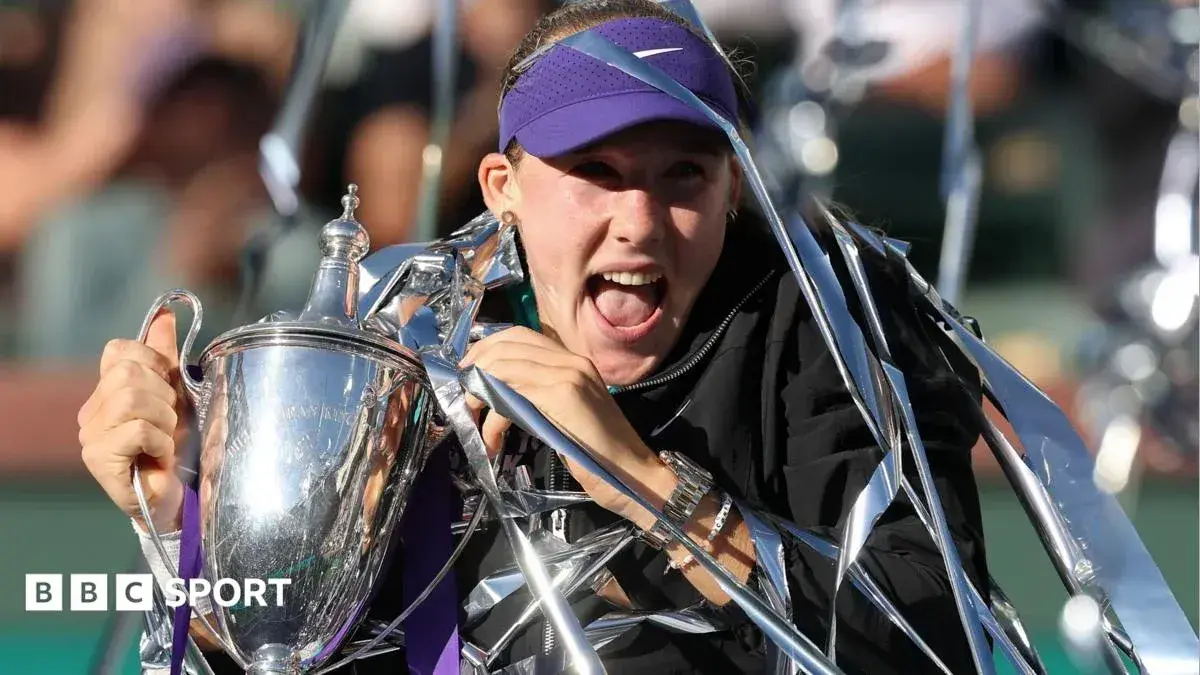
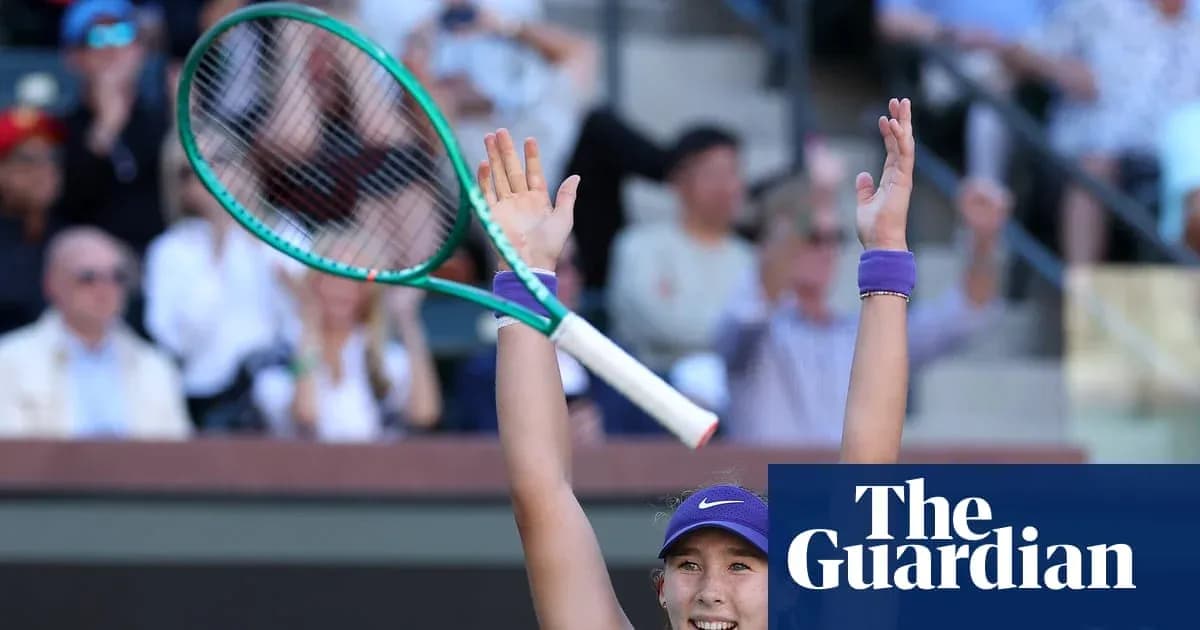
The WTA Finals have landed at Indian Wells, turning the sport’s unofficial “fifth major” into the season’s last battleground. Eight of the year’s standout singles players arrive in California chasing one title, a huge payday, and the right to walk into 2027 as the woman to beat.
One notable name, though, will only be here on the billboards.
Rybakina out, Kostyuk in
Elena Rybakina has already locked up the year-end No. 1 after ruling the hard courts in Melbourne and New York, but the reigning WTA Finals champion will not defend her crown. An undisclosed medical condition has forced her out of Indian Wells, a brutal twist for a player who has set the standard in 2026.
Her absence blows the draw wide open and hands Marta Kostyuk the biggest stage of her career. The Ukrainian steps into the field and straight into the spotlight: a group that also contains Wimbledon champion Linda Noskova and the leading American hopes.
Kostyuk’s first assignment? Noskova, the player who conquered grass this summer and now looks to prove her game bites just as hard on the desert hard courts.
Gauff vs. Pegula: friends, rivals, equals
If there’s a match that will set the tone from day one, it belongs to the Americans.
Coco Gauff and Jessica Pegula know each other’s games almost too well by now. Ten meetings, five wins each. That’s not a rivalry, that’s a coin flip—except the coin has started landing Gauff’s way.
She has taken their last two encounters, both on big stages: the Wimbledon quarterfinals and the Cincinnati final earlier this year. Each time, Gauff’s athleticism and improved composure under pressure tilted the balance. Pegula, the steadier baseline presence, now walks into Indian Wells with a clear target: stop that mini-swing before it becomes a full-on trend.
Their clash headlines the opening night, and it does more than that. It frames the question for American tennis: whose era is this?
The field: two groups, one gauntlet
The format is familiar, the margins anything but.
The eight singles players are split into two groups of four, each playing a round-robin from which only the top two advance to the semifinals. Every match matters. Every set might, too.
Group 1 – Nov. 8, 10, 12
- Marta Kostyuk (Ukraine)
- (4) Coco Gauff (United States)
- (5) Jessica Pegula (United States)
- (8) Linda Noskova (Czechia)
This group carries narrative everywhere you look. The two Americans colliding again. Kostyuk stepping in as the late replacement with nothing to lose. Noskova, the Wimbledon champion, trying to prove her all-surface credentials in a pressure cooker where one flat night can end a season.
Group 2 – Nov. 9, 11, 13
- (2) Aryna Sabalenka
- (3) Mirra Andreeva
- (6) Elina Svitolina (Ukraine)
- (7) Karolína Muchová (Czechia)
If Group 1 leans on familiarity, Group 2 crackles with tension.
Aryna Sabalenka arrives as the No. 2 seed and the woman with the longest memory. She lost Australian Open and U.S. Open finals to Rybakina and fell to the Kazakh again at last year’s WTA Finals in Riyadh. Rybakina’s withdrawal doesn’t erase that scar; it sharpens it. This is Sabalenka’s chance to close a year that often belonged to someone else by finally owning the last week.
Across the net stand very different obstacles: Andreeva, the prodigy whose rise has felt inevitable; Svitolina, the tour veteran who thrives in tactical battles; Muchová, a shot-maker who can turn any match into chaos.
Stakes, structure, and a $10 million stage
The rules are simple; the execution never is.
Each player faces the other three in her group. A win brings three standings points. In a two-way tie, the head-to-head result decides who moves on. In a three-way logjam, the math kicks in: total matches, percentage of sets won, then percentage of games won. Every stray game in a “lost cause” set can become the difference between a semifinal berth and an early exit.
The top two from each group reach the semifinals. From there, it’s straight knockout: win and play for the title; lose and pack for the offseason.
The prize pool stands at $10 million, with $8 million earmarked for singles. Run the table—undefeated through the group, semifinal, and final—and the champion walks away with $3.37 million and 1,500 ranking points. That kind of week doesn’t just pay for itself. It can reshape the first half of next season before a ball is even struck in 2027.
Indian Wells takes center stage
The Indian Wells Tennis Garden, usually the early-season oasis on tour, now doubles as the season’s full stop. The surface is an outdoor hard court, but the conditions—dry desert air, slower court pace, swirling evening breezes—demand adaptation. Power alone rarely wins here. Patience, shot selection, and nerve tend to decide the biggest points.
This year’s Finals also mark a pivot point. Indian Wells hosts in 2026, then the event heads to Charlotte, North Carolina, for the following three years. That gives this edition a one-off feel, a sense of a show that’s passing through town just once.
Opening shots: the first two days
The schedule wastes no time.
Nov. 8
- (8) Linda Noskova vs. Marta Kostyuk
- (4) Coco Gauff vs. (5) Jessica Pegula
Nov. 9
- (2) Aryna Sabalenka vs. (7) Karolína Muchová
- (3) Mirra Andreeva vs. (6) Elina Svitolina
By the end of those two nights, the tone of the tournament will be set. Will Noskova stamp her authority early? Can Kostyuk seize her late invitation? Does Gauff keep her edge over Pegula, or does Pegula flip the script? Will Sabalenka storm out of the blocks, or will the craft of Muchová and Svitolina drag Group 2 into a tactical grind?
The year’s best have gathered in the desert. The No. 1 is absent, the throne is not. Who dares claim it?