Wimbledon Bans Influencers to Preserve Tennis Etiquette

The All England Club has drawn a firm white line on the grass: influencers are not getting in.
After a chaotic U.S. Open where content creators jostled for space with journalists, broadcasters and, at times, the players’ concentration, Wimbledon has decided it wants no part of that experiment. Influencers seeking credentials will have to film their tennis takes somewhere else.
This is not a tweak. It is a statement.
A club that prefers silence to ring lights
In SW19, decorum is not a marketing slogan; it is policy. To protect that, Wimbledon has introduced tighter controls on what comes through the gates at the All England Club. Security staff have been instructed to confiscate items such as ring lights, which have become a staple of social media content and a growing nuisance in live sport.
Those lights are not just props. At the U.S. Open, their glare cut across the court, distracting players mid-point and mid-serve. The tournament had accredited around 100 content creators, placing them alongside traditional media. The result was a busier, louder, more restless environment that felt a long way from the hush that usually greets a second serve on Centre Court.
Wimbledon watched all of that and chose a different path.
When the circus came to New York
The flashpoints in New York were hard to ignore. Matches were repeatedly interrupted by fans taking photos with bright lights, filming courtside content and chattering through points. The soundtrack of a night session began to shift from low murmur to constant buzz.
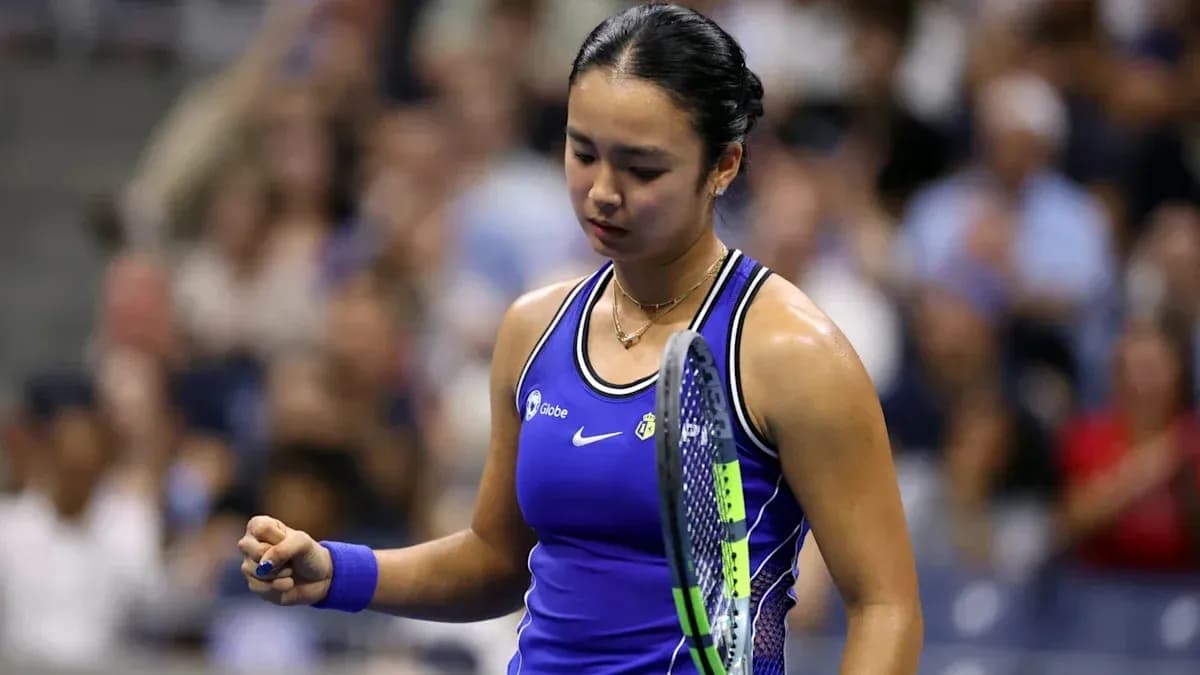
Top players spoke up. Coco Gauff and Naomi Osaka both underlined how much fan behaviour matters, voicing frustration at the interruptions and distractions. The U.S. Open responded by using the giant screens to push reminders about basic etiquette and, in at least two cases, by revoking the credentials of content creators who crossed the line.
Even that did not cover the full picture. Alongside the noise and the flashes came something less visible but just as intrusive: the smell of marijuana drifting through the stands.
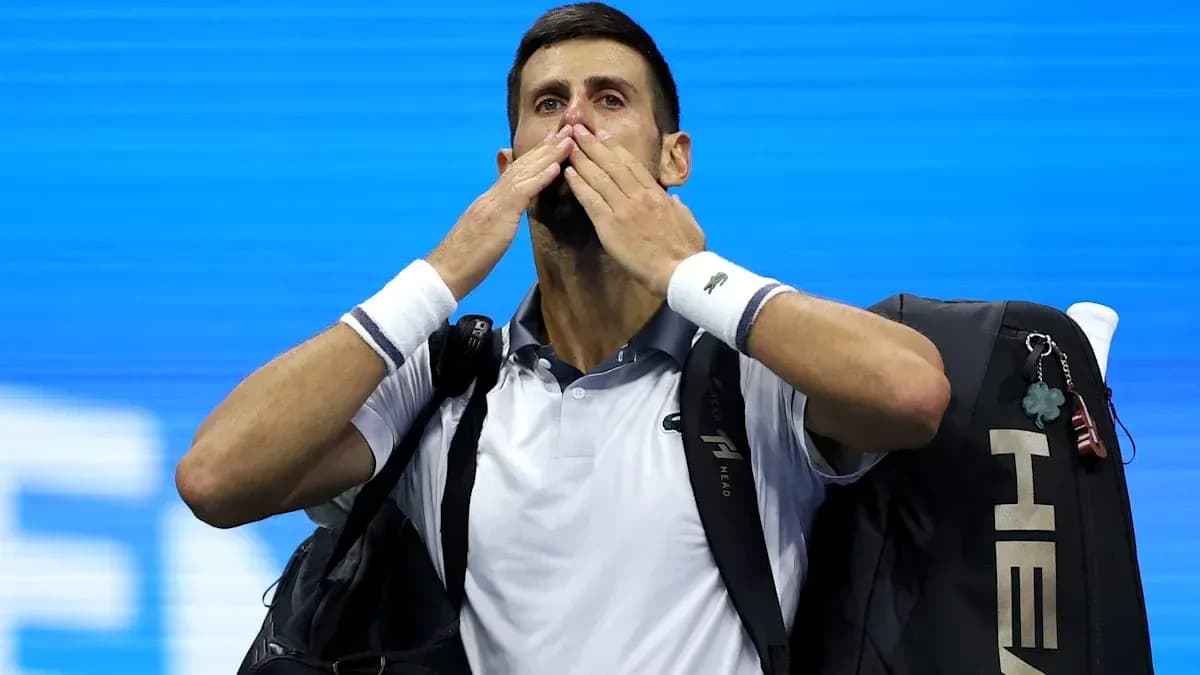
World No. 1 Aryna Sabalenka had to pause during her third-round match because of what she described as a "very strong smell" of marijuana, making her irritation clear in public. Adrian Mannarino went further, summing up the atmosphere by calling the Grand Slam crowd "a bit of a zoo."
Those words travel. Wimbledon listened.
Tradition over chaos
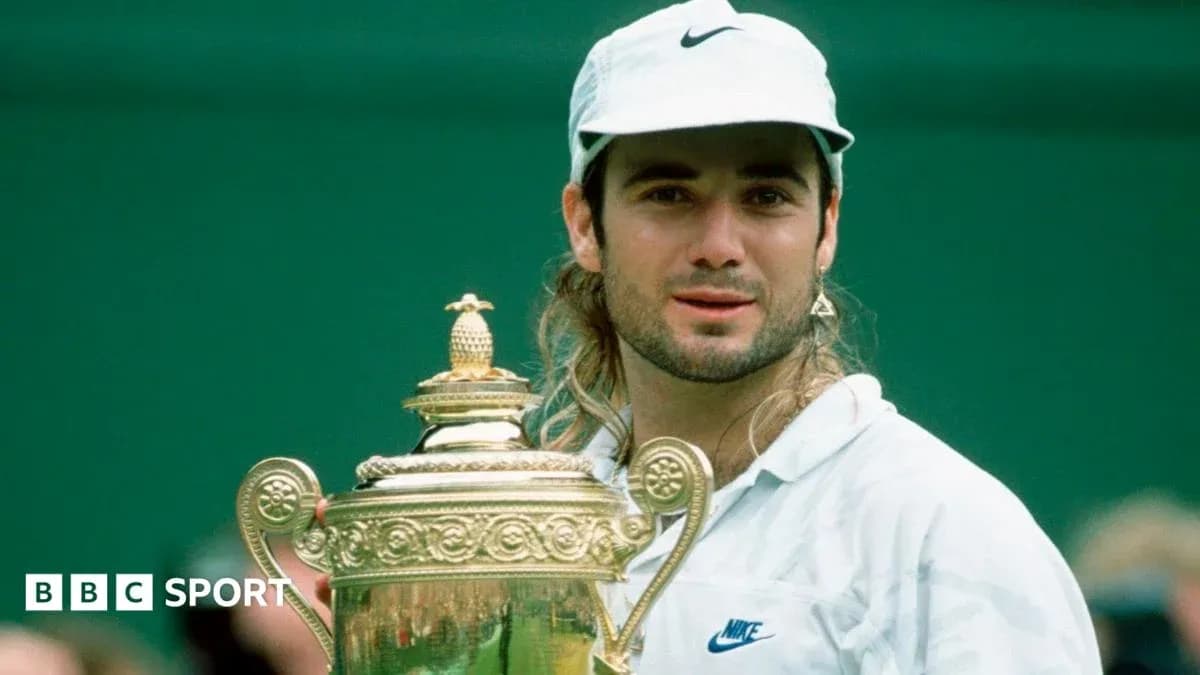
For a tournament that sells itself on strawberries, grass and restraint, the scenes from New York cut against everything Wimbledon wants to be. The decision to shut out influencers and clamp down on disruptive gadgets is less about snobbery and more about control: control of the environment, control of the spectacle, control of the players’ working conditions.
The club has chosen to side with what it calls traditional tennis etiquette and the players’ experience. That means fewer ring lights, fewer roaming creators, fewer chances of a match being turned into a backdrop for someone else’s brand.
In an era where every sport is chasing clicks, Wimbledon is betting on something different: that the sound of a cleanly struck ball, not the glow of a phone screen, is still its most valuable content.