US Open Faces Criticism as Night Sessions Extend Into Dawn
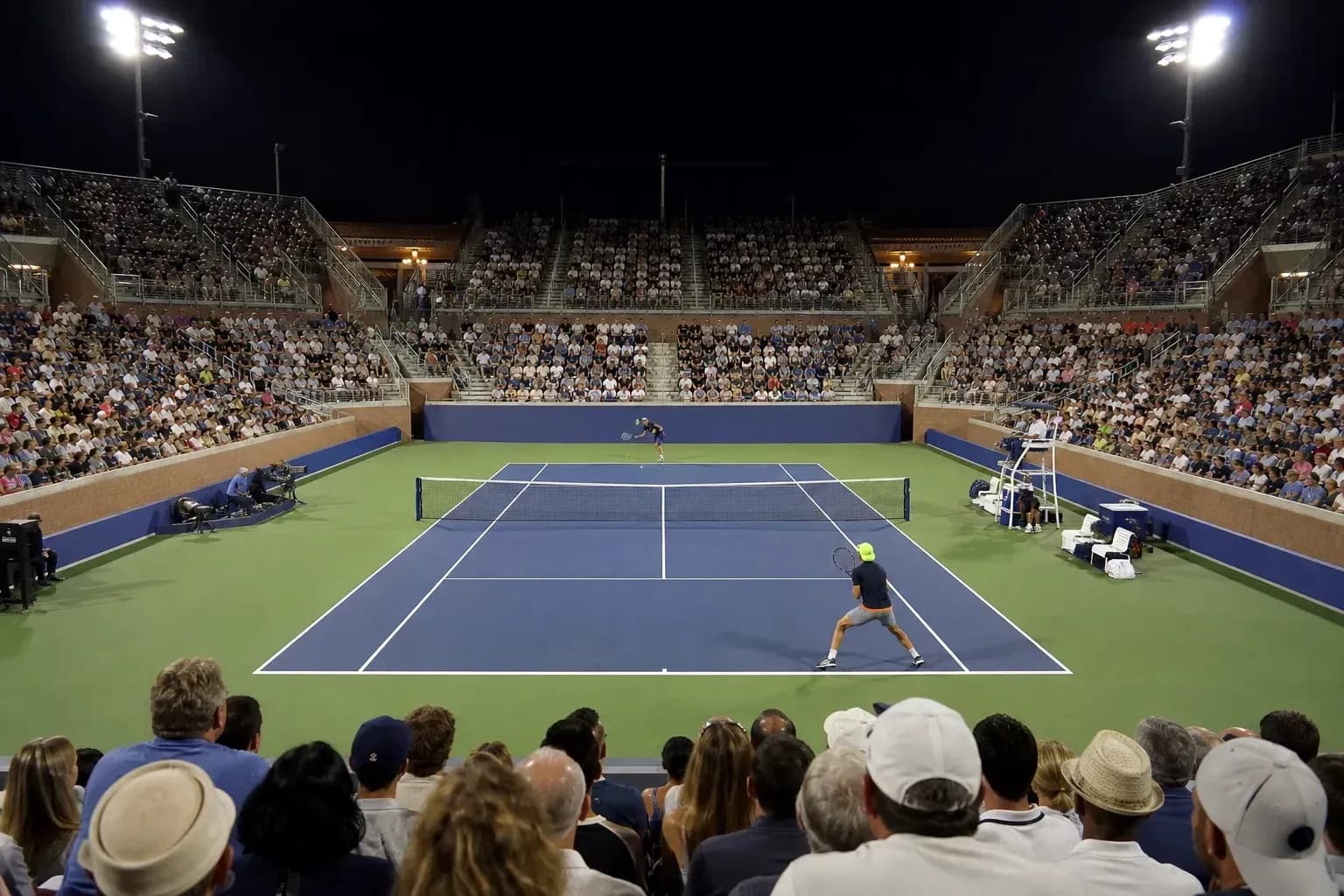
By the time Ben Shelton finished ripping forehands past Carlos Alcaraz in a stunning quarterfinal upset, New York was asleep. Officially, it was 3:33 a.m. on Wednesday. Unofficially, it was a line crossed.
That finish time was the latest in US Open history, a record nobody at Flushing Meadows seems particularly proud of. The sport’s night-session theatre has tipped into something else entirely: an endurance test for players, fans, and everyone who keeps the tournament running.
And Shelton–Alcaraz was not an isolated case. During the first week alone, three matches dragged past 2:00 a.m. Two others crept well beyond midnight. The latest start of all? A match involving Venus Williams that did not begin until 12:13 a.m.
At 46, Williams has seen just about everything in tennis. Yet even she drew a line at that.
After her first‑round loss to Sofia Kenin, the seven‑time major champion called such a start time “less than ideal” and pointed out the obvious: she doesn’t know of another major sport where athletes are routinely asked to begin competition so late at night. For her, the schedule clearly has “room for improvement.”
She is far from alone.
Jessica Pegula, the world No. 3 and one of the standard‑bearers of American tennis, pushed the conversation beyond locker‑room grumbling. For Pegula, the damage isn’t limited to recovery time or competitive balance. Matches that roll on into the early hours hit everyone.
They empty the stands. They strain broadcasters. They exhaust tournament staff and media who have to work through the night. Pegula openly questioned the logic of finishing at 2:00 a.m. and floated a simple fix: start the evening session an hour earlier.
The problem is that nothing at a Grand Slam is ever that simple.
A US Open representative described Tuesday as one of the most “unusual” days in the event’s history and acknowledged that organizers now have to look hard at every option for reshaping the schedule. The will to review is there. The constraints are, too.
The traditional 7:00 p.m. start for night sessions is not an arbitrary choice. New York is a commuter city. Fans pour into Flushing Meadows after work, not at leisure. Move that start time too early and you risk half‑empty stands, chaotic crowd flows between day and night sessions, and an even tighter squeeze on the daytime schedule.
So the conversation has drifted into more radical territory.
One proposal on the table: turn men’s early‑round matches into best‑of‑three sets instead of the traditional best‑of‑five. Shorter matches mean fewer marathons. Fewer marathons mean fewer 3:00 a.m. finishes.
But that idea cuts to the core of what men’s Grand Slam tennis has always been, and not everyone is ready to let it go.
American Frances Tiafoe has made his stance clear. He wants best‑of‑five to stay. In his view, five‑set epics have produced some of the sport’s greatest contests, the kind of matches that define careers and eras. Strip away that format, and you risk stripping away part of tennis’s identity.
So the US Open finds itself caught between two truths.
The late nights are unsustainable. The long matches are unforgettable.
Something will have to give—either the clock, or the tradition.