The Influencer Era at the US Open: A New Chapter in Tennis
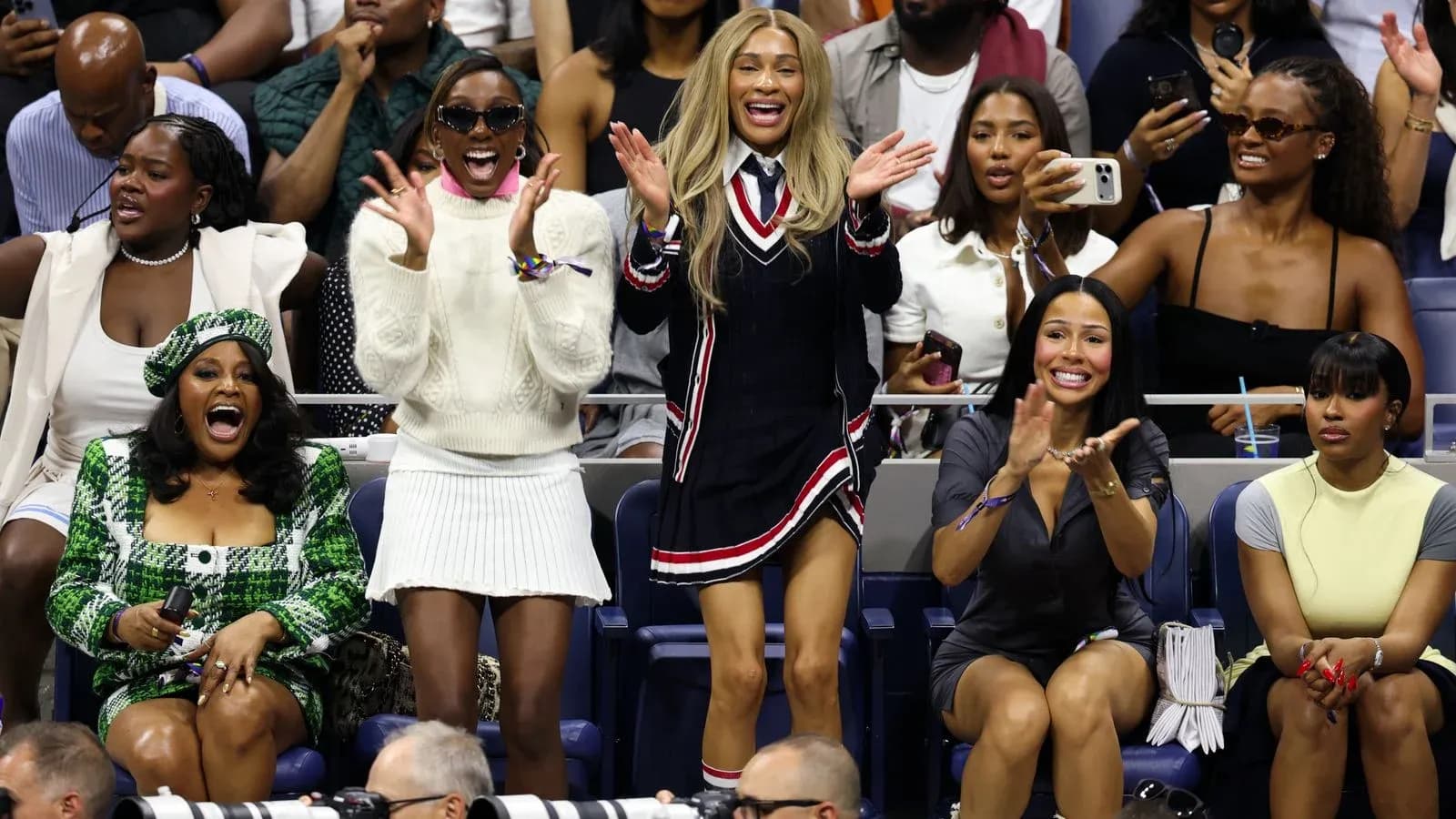
At Flushing Meadows this year, the soundtrack of the US Open is no longer just the thud of the ball and the murmur of the crowd. It’s the click of record buttons, the glow of ring lights, and the low hum of people filming themselves while world‑class athletes try to serve at 30‑all.
The influencer era has arrived in tennis. And it’s already testing the sport’s patience.
Organisers have doubled the number of accredited content creators for this year’s tournament, a deliberate push to drag the final Grand Slam of the season into the feeds and For You pages of a younger audience. The strategy is clear: open the gates, chase reach, make the US Open feel less like a closed club and more like a global festival.
But the side effects are now playing out in real time on court.
When the show on the phone clashes with the show on the court
Chair umpire Kader Nouni cut through the noise earlier in the tournament when he stopped play to admonish a group of influencers filming in a suite during a point. It wasn’t subtle. It wasn’t meant to be. Players could hear them, and so could the crowd.
Another flashpoint followed with a content creator firing up a bright portable ring light mid‑match to grab photos, the beam slicing through the darkness of the stands. For a sport built on concentration and ritual, this isn’t just a minor irritation. It’s an intrusion.
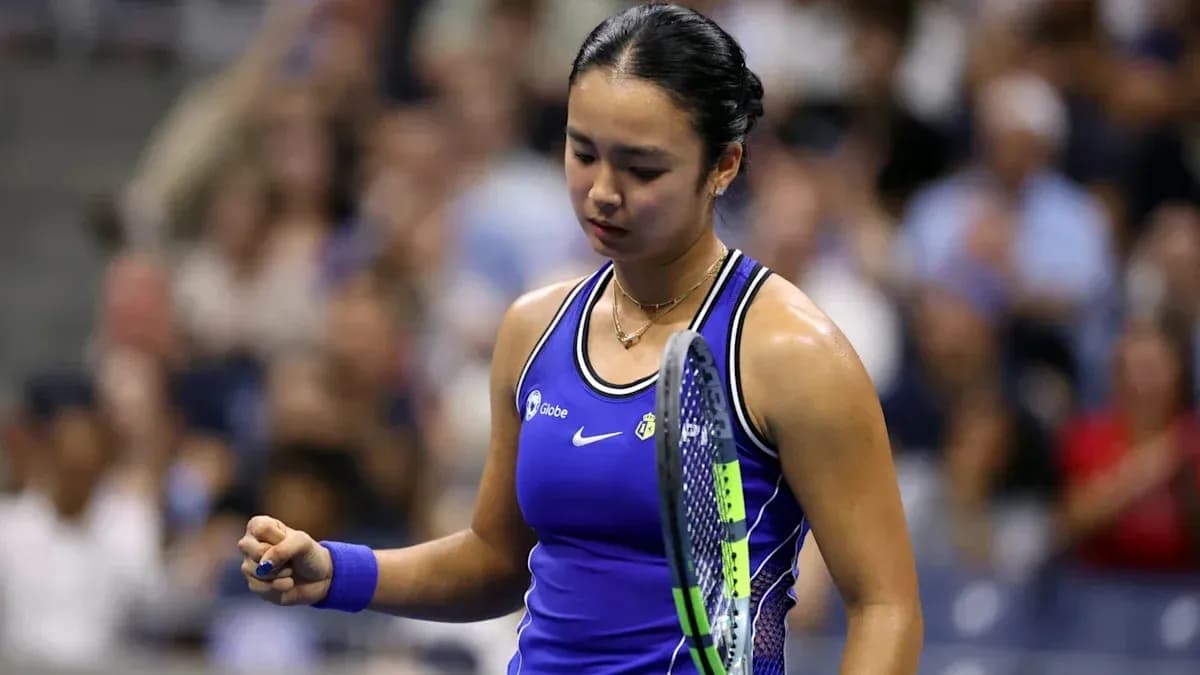
Naomi Osaka felt it during her second‑round win. Chair umpire Marijana Veljovic had to repeatedly ask fans to quiet down, cutting into the flow of the match as the atmosphere edged from lively into disruptive.
Osaka didn’t dance around the issue.
“I think obviously if you come to a sporting event, you have to respect the sport,” the two‑time US Open champion said. “I feel like it’s common courtesy to read up on the sport, especially the etiquette.”
That word keeps coming back: etiquette. In tennis, it’s not window dressing. It’s the framework the sport is built on.
Free movement, higher stakes
The US Open has helped create this tension. In 2024, the tournament introduced a policy of free fan movement, allowing spectators to come and go without waiting for changeovers. The idea: make the experience more relaxed, more modern, less rigid.
Combine that with a surge of influencers, and the old unwritten rules start to fray.
Since Osaka’s opening match, the USTA has ramped up in‑stadium messaging. Screens now push reminders about noise levels, flash photography, ring lights, and any behaviour that might disrupt play. The tone is firm. The need for those reminders is telling.
Jessica Pegula, the American No 3 seed, has watched it unfold from the baseline.
“I can appreciate the influencers coming and showcasing the US Open experience,” she said. “But I do think that it’s tough when you see videos when they’re taking pictures and using the selfie lights.
“People are down there trying to perform. It’s their career and their job. It seems a bit disrespectful.”
That word again. Disrespectful. For players, this isn’t about being precious. It’s about being able to do their job without someone two rows up turning their seat into a studio.
Tennis wants new fans – but not at any cost
Celebrities at the US Open are nothing new. From A‑listers to a former US President, the event has long been a magnet for the ultra‑wealthy and the ultra‑famous. The difference now is intent. Influencers aren’t just there to watch. They’re there to produce content, to turn every changeover into a chance for a clip.
World No 4 Coco Gauff isn’t pushing back against that shift. She understands what it can mean for the sport.
“I definitely think it’s cool to have a new demographic and I definitely think it helps grow the sport,” she said.
Then she reached for an image everyone understands.
“But if you’re being invited to a red carpet, you wouldn’t show up in jeans.
“I think it’s just follow the etiquette of the sport.”
The message from the locker room is consistent: come in, enjoy it, show it to the world – but respect the stage.
Inside the influencer’s view
Not every content creator is arriving blind to that reality.
Eliza Wastcoat, an influencer who has built a niche around tennis and fashion and once served as a Wimbledon ball kid, sees both the opportunity and the responsibility. She moved to the United States to attend Lehigh University, started her career at a creative agency, and now runs her own channel exploring the sport’s culture.
“There is a space in tennis for influencers and content creators to be welcomed into the sport and reach new audiences,” she said, “but I think there’s ways in which the sport can do that which includes content creators and influencers who appreciate the sport itself and the etiquette of it and for those who are maybe new and are bringing new audiences in.”
Her point is blunt: access should not be a free‑for‑all.
“I do think it’s the responsibility of both the brands, the tournaments and the individuals coming to read up a little bit and understand the etiquette of the type of sporting event they’re going to.
“Tennis has really opened up its doors to change but ultimately players need some quiet and the ability to concentrate.
“We all want tennis to grow so inviting people in and making it an all‑round experience is great for the game, so it’s just an opportunity to further educate people about the game on what tennis is.”
In other words, growth and respect don’t have to be rivals. But they do need rules.
A balancing act for the USTA
The United States Tennis Association knows it is walking a fine line. It wants the US Open to feel electric, social, shareable. It also knows that if the spectacle on the court starts to suffer, the whole product weakens.
“We are continually looking for ways to ensure fans in the stands know what is permitted and what is prohibited,” the governing body said in a statement, stressing that it wants fans to have an “incredible time” without interfering with the action.
For Wastcoat, this is as much a test for organisers as it is for the new wave of guests.
“What’s the balance of how many credentials or tickets do we give to folks who are new, or how many do we give to creators who know and appreciate the sport?” she asked. “It’s trying to find that balance.”
That balance is shifting quickly. Experiences like this US Open, she argues, show that tennis is rising in popularity, that more people and more brands want a piece of it. With that comes money, exposure, and reach like never before.
It also brings a simple, pressing question for a sport built on silence between points: in the chase for new eyes and new audiences, how much noise is tennis really willing to let in?