US Open Finals: Skupski, Sabalenka, Shelton, and Zverev in Action
Arthur Ashe Stadium wakes up early today, and it will not stop breathing until long after midnight.
Before Aryna Sabalenka and Elena Rybakina walk out for a heavyweight women’s final, the men’s doubles title sets the tone. There is British skin in that game.
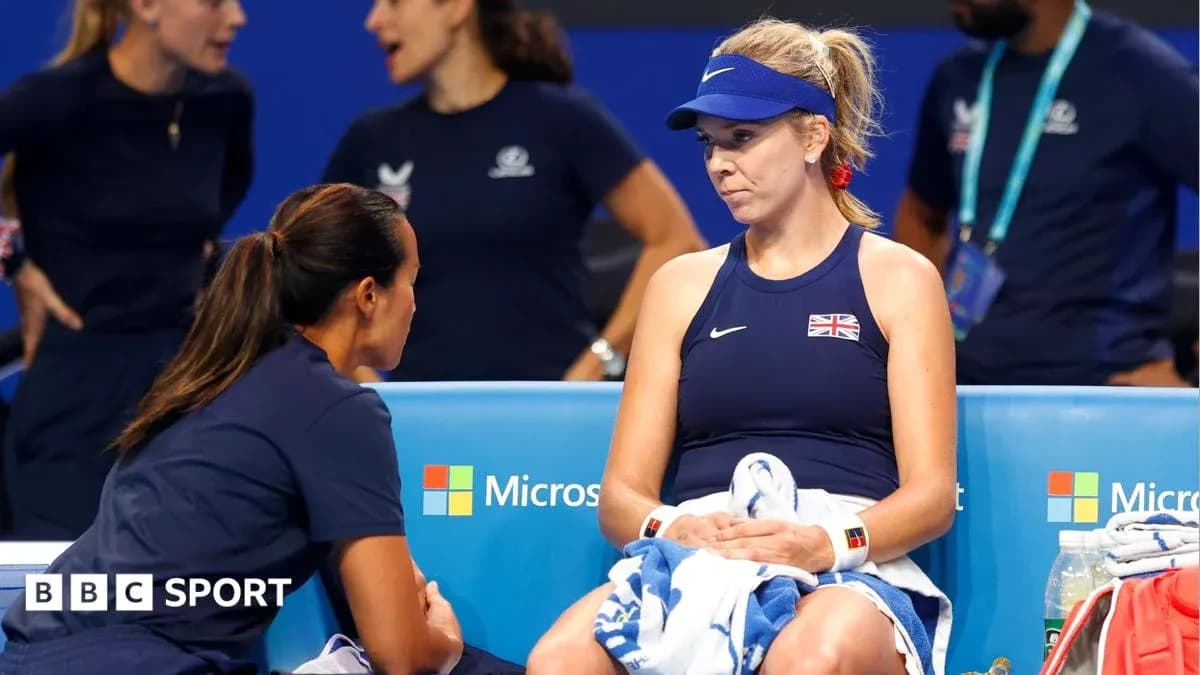
Skupski chasing second Slam of the season
Neal Skupski and American partner Christian Harrison step onto Ashe at 12pm local time (5pm UK), aiming for their second Major of the year. They arrived as a partnership only weeks before the Australian Open in January; they left Melbourne with the trophy.
Now the No. 6 seeds stand two wins away from turning a promising alliance into one of the stories of the season. Across the net waits a seasoned German pair with serious pedigree: Kevin Krawietz and Tim Puetz, a duo who know how to navigate the tight corners of a Slam final.
Skupski has carried British doubles hopes on his shoulders for years. Harrison has fought through injuries and setbacks just to stay on tour. Together, they have already proved they can win on the biggest stage. A second Major in the same year would move them from “dangerous floaters” into the conversation about the sport’s elite teams.
Sabalenka defends her house
When the doubles dust settles, the stadium turns into Sabalenka’s stage.
Aryna Sabalenka is hunting a third straight US Open crown tonight, a feat that would cement her dominance in New York. The task could not be tougher: across the net stands Elena Rybakina, the woman who has just taken Sabalenka’s world No. 1 ranking.
The narrative writes itself. The former No. 1, defending her fortress. The new No. 1, trying to plant a flag on enemy territory.
Sabalenka’s performance coach, Jason Stacy, did not bother hiding how they see this place.
“The way I like to put it, no disrespect to anybody, is that, like, this is her house, and all the other girls are just guests, and it's time for them to go home,” he said after the Belarusian reached a fourth straight final at Flushing Meadows.
That is the mentality: dictate, not react. “Her showing up and understanding that, hey, it's her job to dictate the pace, to understand what her strategy is, and to not go to the level of the person across the net, not to meet them where they're at, but I'm here to just do my job, and that's it.”
Rybakina has the ranking. Sabalenka has the history here. Tonight decides whose authority truly rules this court.
Shelton, Zverev and a clash of schedules
Beyond the singles and doubles storylines, the US Open final weekend spills into another sport entirely.
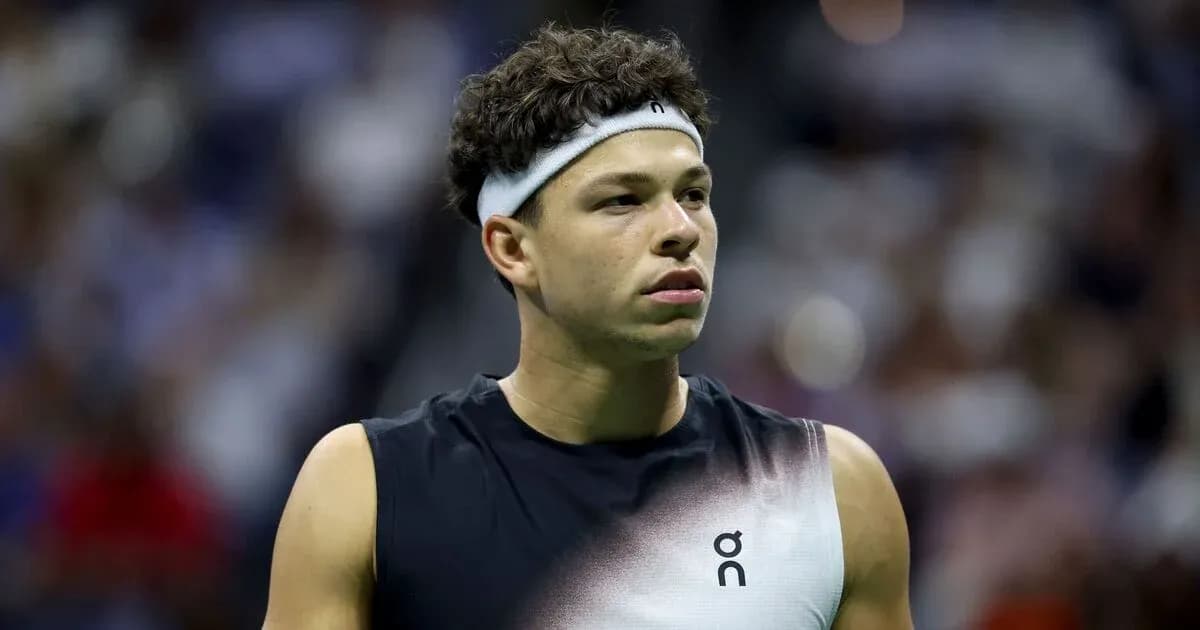
Ben Shelton, now a star attraction in New York, plays Alexander Zverev in the men’s final. At the same time, his girlfriend Trinity Rodman is scheduled to be on a different stage: lining up for Washington Spirit against Boston Legacy.
Rodman is no spectator; she is a professional in her own right, a rising name in her sport. The timing sets up a cruel clash of milestones. Everyone wants to be there when their partner plays the biggest match of their life. Sometimes the calendar does not care.
The question hangs in the air: does she find a way to be courtside, or does duty to her own team win the day?
Zverev’s run and Shelton’s flashpoint
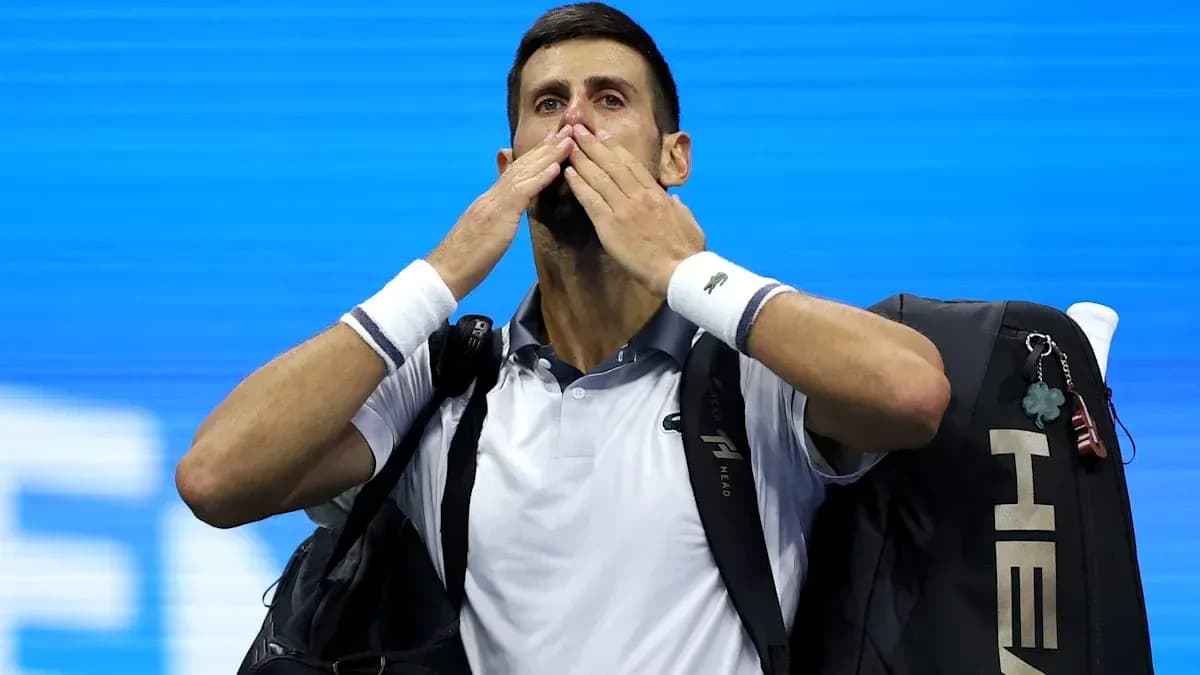
Zverev arrives in this US Open final on a remarkable streak: three Grand Slam finals in a row. His path in New York has not been smooth, and he knows it.
“After the second round at 3am, me and my team were in the dressing room actually laughing at how bad I was playing. That sense of humour helped me,” he admitted after his Friday night win. “I have improved a little bit, otherwise I wouldn't be in the US Open final.”
From laughing at himself in the early hours to standing one match from the title, Zverev has turned a stumbling start into a sustained charge.
Shelton’s route has carried its own drama. During his semi-final against Frances Tiafoe, the American lost his cool with umpire Aurelie Tourte after she allowed Tiafoe to replay a point.
Shelton stormed up to the chair, arguing that the call for a retake came too late. Tourte explained that Tiafoe had put his hands up, triggering the replay. Shelton, still bristling, shot back: “Why did you not say something then? How are you going to call it after. You've got to say something immediately.”
It was a snapshot of his fire and his raw edges. The final will reveal whether that energy becomes a weapon or a weight.
Eala caught in a brutal choice
Away from New York, another battle is being fought in the margins of the tennis calendar.
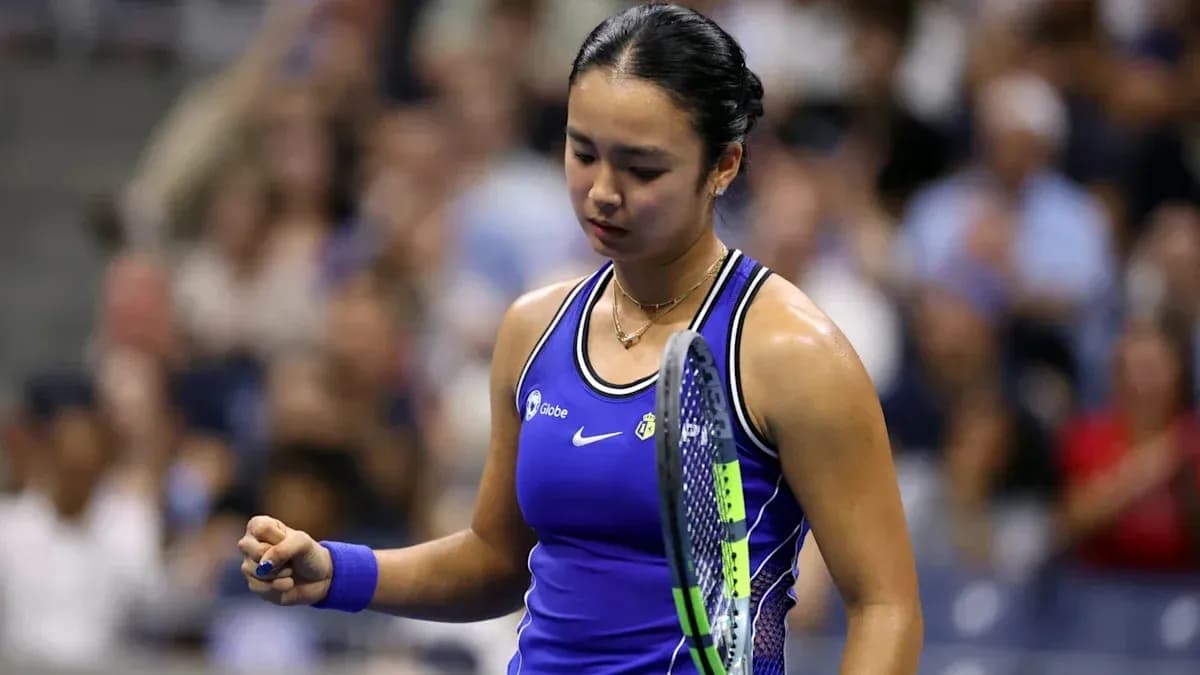
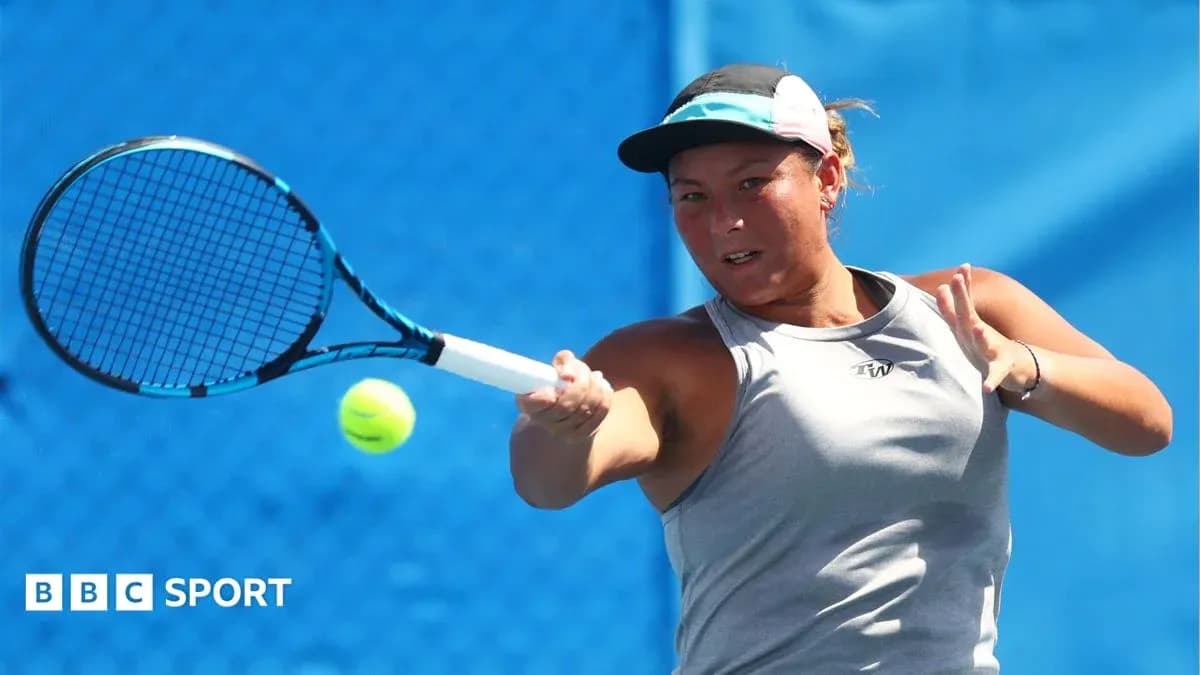
Alex Eala is reportedly unlikely to receive a WTA exemption to play the Asian Games, a decision that would cost the Filipino rising star ranking points. She wants to represent her country at the Games in Japan, but the event clashes with a mandatory WTA 1000 tournament in China.
The precedent is not promising. Fellow Southeast Asian player Janice Tjen, the world No. 36 from Indonesia, has already gone public about her own failed request.
“After a lot of consideration, I've had to make the difficult decision that I won't be able to compete at the Asian Games this year which take place at the same time as the mandatory WTA 1000 event in Beijing,” Tjen wrote on Instagram. “We have received confirmation from the WTA that unfortunately, I have not been granted an exemption to compete at the Asian Games.”
For Eala, the likely outcome is the same: choose national colours and pay the price in ranking points, or protect her standing on tour and miss a rare chance to play for something bigger than herself.
In New York, trophies and rankings are on the line. Across the world, careers hinge on a calendar that refuses to bend. On this finals weekend, tennis is not just about who lifts the silverware, but who dares to decide what matters most.