Top Tennis Players Halt Public Prize Money Dispute with Grand Slams
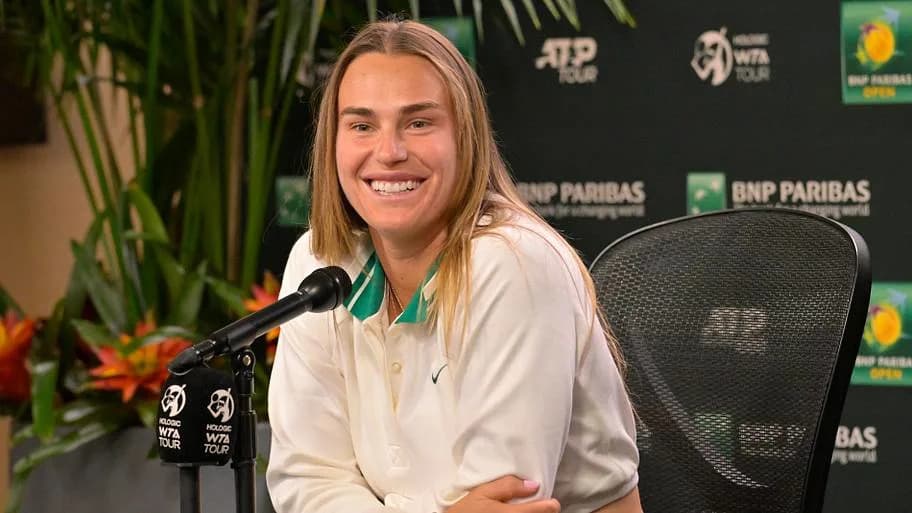
After an 18-month standoff, the conflict between leading tennis players and the Grand Slam tournaments is moving away from public protests toward private negotiations. Stars like world No. 1s Jannik Sinner and Aryna Sabalenka have called for improved player welfare programs, an athlete advisory council, and a larger share of tournament revenues comparable to other events.
In August, the Grand Slam organizers agreed to form the requested player advisory council, signaling progress for the athletes. This development helped convince players to end their public protests and lift media restrictions by mid-September.
Current State of Player Demands
The establishment of the advisory council marks a key win but the dispute continues behind closed doors. The players' coalition now focuses on two main issues: better contributions to athlete welfare and increasing prize money.
Initially, players asked for prize money to reach 22% of total revenue by 2030, aligning with ATP and WTA 1000 event standards. The 2026 U.S. Open offered the largest prize pool in tennis history at $108 million, yet this only amounted to around 18% of its operating revenue. Other Slams typically allocate between 14% and 16% of revenues to prize funds.
Player welfare remains critical as playing conditions grow tougher. Jannik Sinner suffered a severe heat-related illness during the French and Australian Opens, while Novak Djokovic, Casper Ruud, and Lorenzo Musetti also faced similar struggles.
Protest Timeline and Player Actions
- July 31, 2025: Players submit formal proposals focusing initially on prize money, with welfare and advisory council issues emerging over time.
- May 2026: Players limit press conferences to 15 minutes, symbolizing their 15% share of Grand Slam revenue. Aryna Sabalenka notably ended one early conference abruptly to emphasize the need for fair earnings distribution, especially for lower-ranked players.
- Players kept the 15-minute media rule as their main public protest tool for months. Proposed boycotts never materialized.
- Wimbledon 2026: A planned refusal to play was narrowly avoided due to negotiation breakthroughs.
- Following the advisory council announcement, public protests paused after the U.S. Open concluded.
Voices From the Tennis World
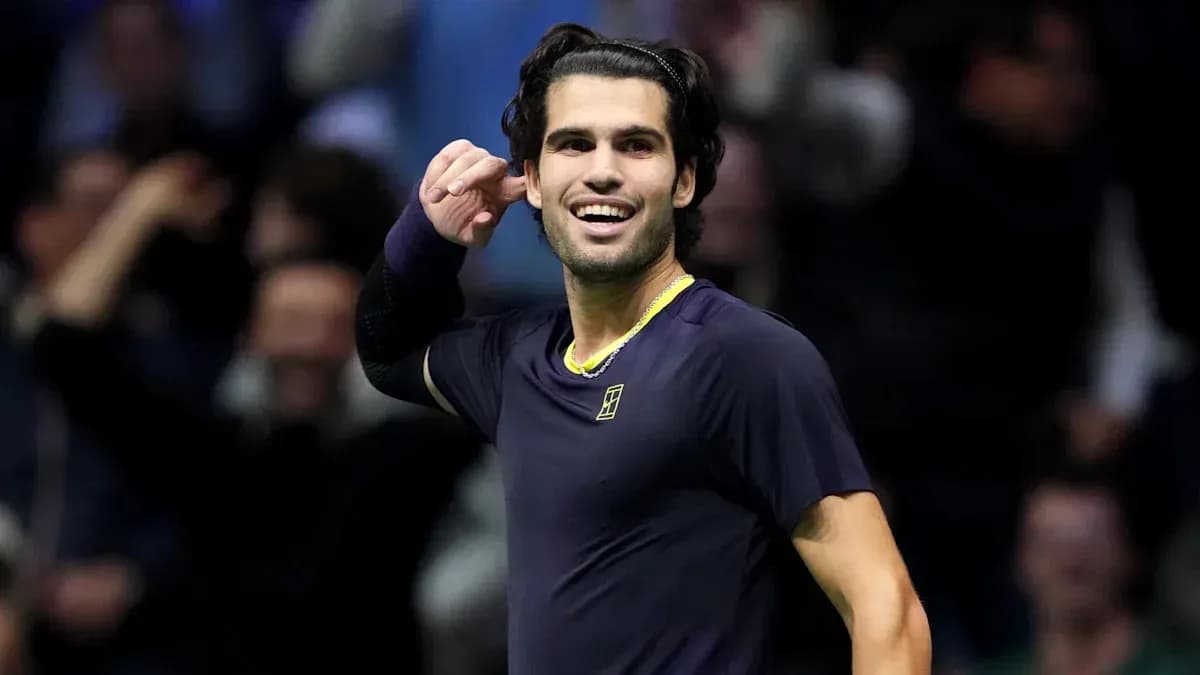
Carlos Alcaraz, ranked No. 2 in men's tennis, initially supported the movement but stepped back before the U.S. Open. He stressed his focus on player welfare over revenue sharing, recalling exhausting moments like his 3:33 AM quarterfinal finish against Ben Shelton. Alcaraz said he plans to take longer breaks from tournaments to manage his health.
Legendary player John McEnroe urged stronger measures, suggesting boycotts to gain true partnership status in the majors. "The players should be partners in the majors," McEnroe stated, "They get such a small part of the revenue, which causes tension. The only way to fix that might be to boycott one or two events."
Advisory Council Formation
In late September, a twelve-player advisory council was announced, evenly split between men and women. Fans and players alike await to see if this group will deliver the changes tennis needs.
Additional Tennis News
- Novak Djokovic Discusses Health Issues and Plans to Play ATP Finals
- The Skill Behind Jannik Sinner's Powerful Serve
- Carlos Alcaraz Comments on Grand Slam Best-of-Five Format
- Novak Djokovic Returns to China Open After Nearly a Decade
- Jakub Mensik's Rise into ATP Top 20