Stan Wawrinka's Farewell at the 2026 US Open
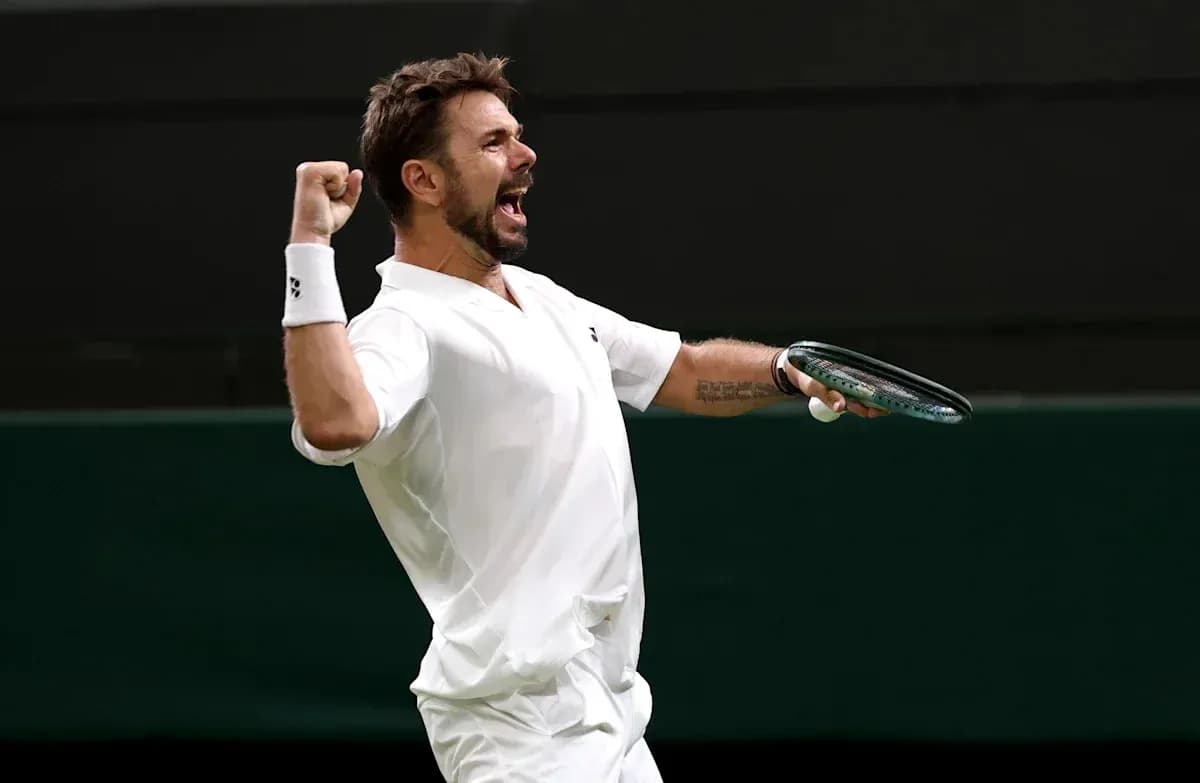
Stan Wawrinka will walk into the 2026 US Open with the farewell he has earned. Ten years on from the night he ripped through Flushing Meadows to claim the title, the one‑handed Swiss shotmaker finally gets a stage built for goodbyes.
For some, he’s a line in the record books. For others, a YouTube compilation of backhands. For one fan, he’s been a constant for 18 years – the backdrop to the second half of a childhood and a long stretch of adulthood.
Stanislas Wawrinka has been there that long. On the screen. On the schedule. In the draw.
The first sighting came in the California desert. Indian Wells, 2008. Back when the Pacific Life Open hadn’t yet become the BNP Paribas Open and Novak Djokovic was the fresh, brash challenger to Roger Federer and Rafael Nadal after his breakthrough at the Australian Open.
A father and son drove out during the son’s freshman year of high school. The first men’s match they saw? Wawrinka against Djokovic in a quarterfinal. Djokovic, fresh off that Melbourne title, won it 7-6, 6-2. It felt like a beginning for him. It turned out not to be an ending for Wawrinka, but a prologue.
Because Wawrinka refused to settle for being a footnote in the era of giants.
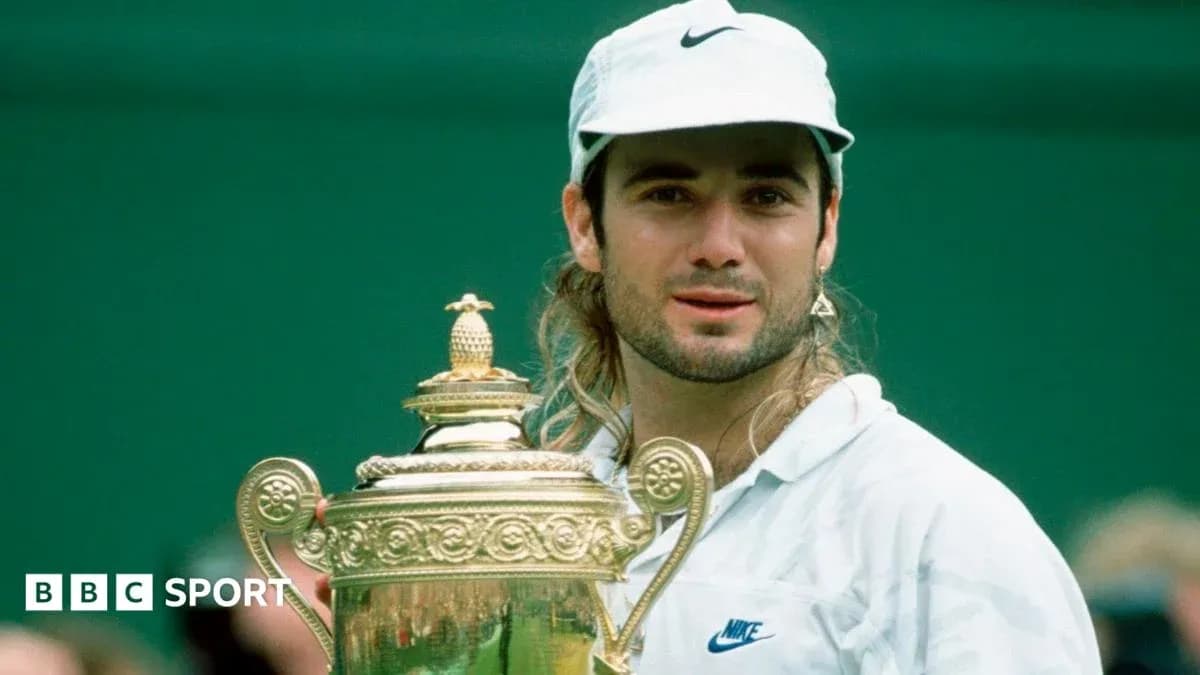
As the so‑called Big Four tightened their grip on the sport, Juan Martin del Potro briefly broke through to win the US Open in 2009. Yet it was Wawrinka who became the most persistent disruptor, the man who would not accept that the story had already been written. He carved out three majors of his own: the 2014 Australian Open, the 2015 French Open and the 2016 US Open.
At his peak, watching him was a thrill. Plenty of players owned elegant one‑handed backhands. Wawrinka’s was something else. It didn’t just glide; it detonated. He unloaded on that Yonex racquet with a violence that still lives in the memory. Somewhere, that same model racquet from the 2014 Australian Open sits as a relic of that first great surge.
His career never existed in isolation from his countryman. Wawrinka was central to Federer’s Olympic doubles gold in Beijing in 2008. He helped deliver Switzerland the Davis Cup in 2014. Those were shared triumphs, but they also underlined his stature: not a supporting act, a partner in glory.
The first major title changed everything. The fan who had once watched him in the desert was now a college sophomore, studying abroad in Leeds, living in Kirkstall. The time zones didn’t cooperate, but sleep could wait. Early morning or late night, it didn’t matter. The television came on, and Wawrinka beat an injured Nadal in four sets to win the Australian Open.
Back then, it was easy to call it a one‑off. A career‑defining upset, perhaps, but not the start of a pattern. Wawrinka refused that script as well. He backed it up with Roland Garros in 2015, taking down Djokovic on clay, and then again in New York in 2016, beating the Serb under the lights to claim the US Open. Three majors, each time cutting through the era’s dominant forces.
Final Lap
Now comes the final lap.
At the 2026 US Open, Wawrinka will open against Matteo Berrettini, a former Wimbledon finalist whose own path has been scarred by injuries. It’s the kind of match that grabs attention instantly. Power, emotion, history. A popcorn encounter.
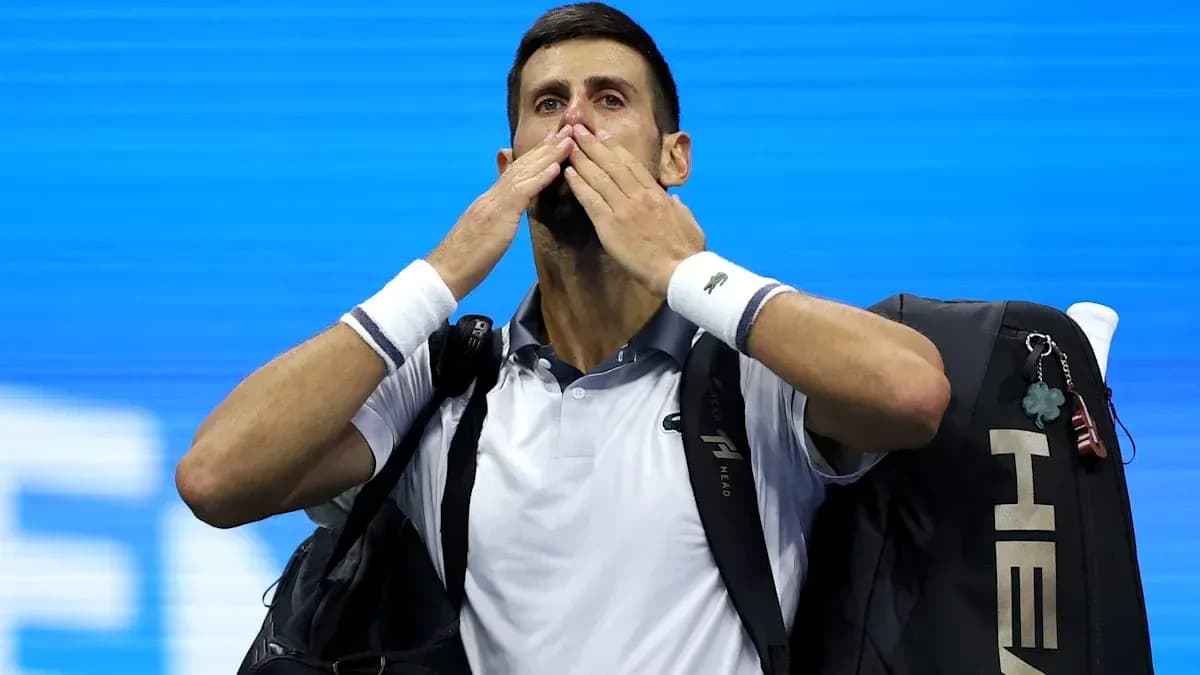
If Wawrinka finds a way through – and at this stage of his career that remains a big “if” – the draw likely throws him back into the orbit of Djokovic in the second round. The same Djokovic he stunned in Paris in 2015. The same Djokovic he overpowered in New York in 2016. A last dance with an old rival, perhaps. Or one final reminder of what he once did better than almost anyone: crash the party.
There’s a strange emptiness when a figure like this edges toward the exit. For one supporter, a “serious bulk” of their tennis life has been filtered through Wawrinka’s schedule, his runs, his heartbreaks. In a matter of days, there will be a post‑Wawrinka world to navigate. The sport continues, indifferent. The emotional math is harder.
In club football, there is comfort. Tottenham Hotspur remain, whoever wears the shirt. Harry Kane leaves, Moussa Dembélé moves on, but the badge stays. In tennis, there is no crest to cling to. The players are the club. When they walk away, they take the history with them.
One day you dream of Wawrinka and Djokovic, of Kane and Dembélé. You wake up to Flavio Cobolli, Sandro Tonali, Savio. New names, new stories, the same tour moving on without waiting for anyone to adjust.
That is the brutal honesty of tennis. When a player retires, it is final. There is no testimonial season, no coaching cameo on the pitch. Yes, they might reappear in a player’s box, or in a captain’s chair at the Davis Cup, but the version that mattered – the competitor, the one stepping to the line to serve at break point down – is gone. Even Juan Carlos Ferrero, now a familiar face in another player’s corner, won’t be there forever.
The tour doesn’t pause. It rolls forward, demanding that fans either ride the wave or be swallowed by it.
For now, though, there is one more chance. One more roar. One more walk into Arthur Ashe Stadium with the crowd rising for a man who never accepted his supposed place in the hierarchy.
“Go get ’em Stanislas Wawrinka, baby.”
The sport will move on. The memory of that backhand never will.