Serena Williams and the Billion-Dollar Gap in Women's Sports
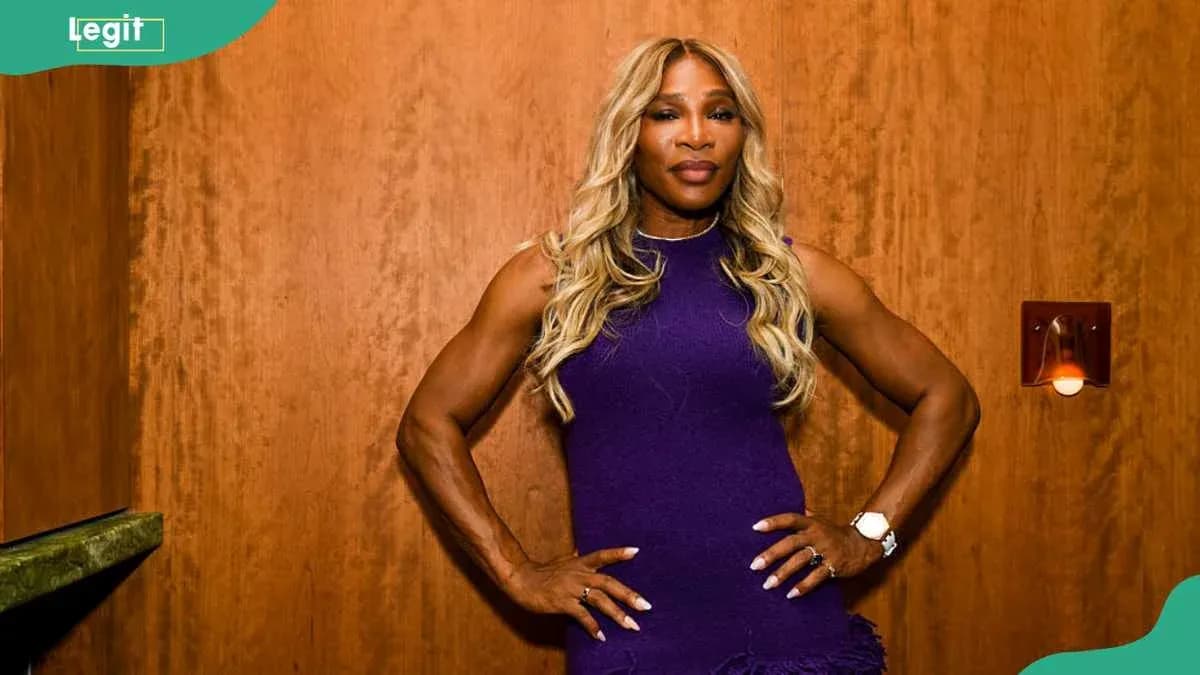
Serena Jameka Williams has not played a full competitive tennis season in years, yet the empire she built on court and expanded off it still towers over every other woman in sport.
Forbes pegs her net worth at around $400 million. No other female athlete in history comes close. The current standard-bearer among active stars, Coco Gauff, is estimated to earn $33 million a year. Even at that blistering pace, she is still a long way from chasing down Serena’s all-time wealth.
This is not just a ranking. It is a snapshot of how a small group of women turned medals, trophies, and prime-time moments into generational money.
The $400 Million Benchmark: Serena Williams
Serena’s numbers are as ruthless as her baseline game once was.
She banked $94.8 million in prize money alone — the highest total in WTA history — built on 858 singles wins, 73 titles, and 23 Grand Slam singles crowns in the Open Era. Seven Australian Opens. Three French Opens. Seven Wimbledon titles. Six US Opens. Every surface, every era, every rival.
Yet the real separation comes after the handshake at the net.
Over the past year, Serena has pulled in an estimated $50 million before taxes and fees, driven by a portfolio of at least 10 long-term sponsorships with brands such as Audemars Piguet, Lincoln, Nike, and Wilson. As CEO of Serena Ventures, she raised $111 million for her first fund, backing 16 companies and taking minority stakes in the Miami Dolphins, Angel City FC, and the WNBA’s Toronto Tempo.
She retired from tennis in 2022. Her financial prime never did.
Sharapova, Venus, Danica: The Chasing Pack
Behind Serena, the drop-off is steep but still spectacular.
Maria Sharapova sits second with an estimated net worth of $175 million. For more than a decade, she was the face of women’s sport in the global endorsement game, pulling in roughly $300 million across prize money and sponsorships. A five-time Grand Slam champion who completed the career Grand Slam, she fronted Nike, Porsche, Head, TAG Heuer, and Evian at the same time.
In 2012 she launched Sugarpova, her candy brand, and when she retired in 2020, the balance sheet reflected years of peak commercial leverage. She remains a distant No. 2 to Serena, but a clear one.
Third is Venus Williams at around $95 million. Her on-court résumé — seven Grand Slam singles titles, five at Wimbledon, and $42.8 million in prize money, fourth all-time in WTA history — would stand alone for most athletes. Venus, though, also fought a different battle, pushing for equal prize money at Grand Slams and helping reset the economics of women’s tennis.
Off the court, she built EleVen, her fashion label, and VStarr Interiors, an interior design firm that turned her taste into a second career. In 2025, she and Serena launched a joint podcast, Stockton Street*, extending the Williams brand into yet another lane.
Then comes a rare non-tennis entry: Danica Patrick at roughly $80 million. The only woman to win an IndyCar race — the 2008 Indy Japan 300 — Patrick became one of the most recognisable faces in American motorsport. Her commercial deals with GoDaddy, Coca-Cola, and Peak antifreeze ran for multiple seasons and dwarfed her race winnings. She retired in 2018 but remains active in business, and in early 2025 added an investment in Unrivaled, the women’s basketball league, to a growing post-racing portfolio.
Osaka and the New Money Machine
Naomi Osaka represents the modern template: a global star whose off-court earnings overwhelm even elite prize money.
Her estimated net worth stands at about $45 million. Between 2019 and 2025, she brought in roughly $230 million, only around $25 million of that from actual tennis results. Official WTA figures list her career prize money at $21.1 million as of July 2025, a fraction of her overall haul.
Osaka co-founded the sports agency Evolve, created the skincare line KINLÒ, and launched the production company Hana Kuma. She topped Forbes’ highest-paid female athletes list for three straight years, peaking at $51.1 million in 2022, with a personal single-year best of $57.3 million in 2021.
On the court, she remains a four-time Grand Slam champion. Off it, she is a diversified business in motion.
Legends Who Turned Dominance Into Equity
Annika Sörenstam, with an estimated $40 million, rewrote the record book in women’s golf and then quietly built an empire behind it.
The Swede collected 72 LPGA Tour titles, including 10 majors, before stepping away from full-time competition in 2008. Retirement did not mean retreat. She moved into golf course design, launched a wine label, and created the Annika Foundation. Rolex and Callaway stayed with her long after her last full season. In 2022, she even returned to the US Women’s Open, a reminder of the player who once ruled the fairways.
Simone Biles, at about $30 million, did something different: she turned unprecedented excellence — and an open, public conversation about mental health — into one of the most powerful personal brands in Olympic sport.
The most decorated gymnast of all time now endorses Audemars Piguet, Lilly, Nulo Pet Food, K18 haircare, and specialist gymnastics companies GK Elite and Spieth America. The Netflix documentary Simone Biles Rising earned an Emmy nomination, while her decision to withdraw from several events at the Tokyo 2020 Olympics made her a central figure in the global debate around athlete welfare. Her commercial pull only intensified.
Gauff and the Next Wave
Coco Gauff’s net worth, estimated at $28 million, barely reflects the speed at which she is climbing.
At just 21, she topped Forbes’ 2025 list of highest-paid female athletes with $33 million, ahead of Aryna Sabalenka ($30 million) and Iga Swiatek ($25.1 million). She earned $8 million on court that year, boosted by a French Open title, and another $25 million off it from deals with New Balance, Bose, and Baker Tilly.
Her accumulated wealth still trails her annual earnings. That is the clearest sign of where she is headed.
Sharing the $28 million bracket is Lindsey Vonn, the most decorated American alpine skier in history. Four overall World Cup titles. An Olympic gold medal at Vancouver 2010. Vonn’s long-term partnerships with Red Bull, Under Armour, and Rolex turned her into a marketing force well beyond the slopes. She retired in 2019 but remains a fixture in campaigns and media projects.
Ronda Rousey rounds out the top 10 at roughly $25 million. The first woman to headline a UFC pay-per-view and the first female inductee into the UFC Hall of Fame in 2018, she rode her crossover appeal from MMA to WWE to Hollywood. Endorsements from Reebok and Monster Energy helped fuel her peak earning years between 2014 and 2016, when she ranked among the most recognisable athletes on the planet. In 2024, she added author to the résumé with her memoir, Our Fight.
The Economics Behind the Rankings
Strip away the medals and the storylines, and one pattern stands out: endorsements rule.
From Serena’s $400 million to Rousey’s $25 million, this list is powered far more by sponsorships, business ventures, and investments than by salaries or prize money. For the top-earning women, roughly 70% of income comes from off-field or off-court deals. For their male counterparts at the top of the global earnings charts, that figure sits closer to 35%.
Only five women in sports history have cleared $30 million in a single year: Naomi Osaka, Serena Williams, Coco Gauff, Maria Sharapova, and Aryna Sabalenka. Fifteen female pros earned more than $10 million in 2025, up from just six in 2023. The numbers are moving, fast.
Naomi Osaka’s $45 million net worth still lags far behind Sharapova’s $175 million, a gap built on more than two decades of top-tier endorsements and the long tail of Sugarpova. But Osaka’s figure is widely viewed as conservative, and her earning window is still open.
As for Serena, the question is no longer how much she can win, but how far her empire can stretch. Her fortune spans nearly $95 million in prize money, a venture capital firm backing more than a dozen companies, minority stakes in NFL and soccer outfits, and a real estate footprint from Florida to Paris. Nike, Gatorade, and Wilson continue to cut her checks years after her last match.
The richest woman ever to build her fortune primarily as an athlete has set a bar that may take a generation to approach.
The real intrigue now? Whether this new wave of earners — led by Gauff, Osaka, and a rising class of stars in football, basketball, and beyond — can turn their prime years into something more than a spike on a Forbes list, and start closing the billion-dollar gap Serena has left in front of them.