Serena and Venus Williams: A Legendary US Open Doubles Return
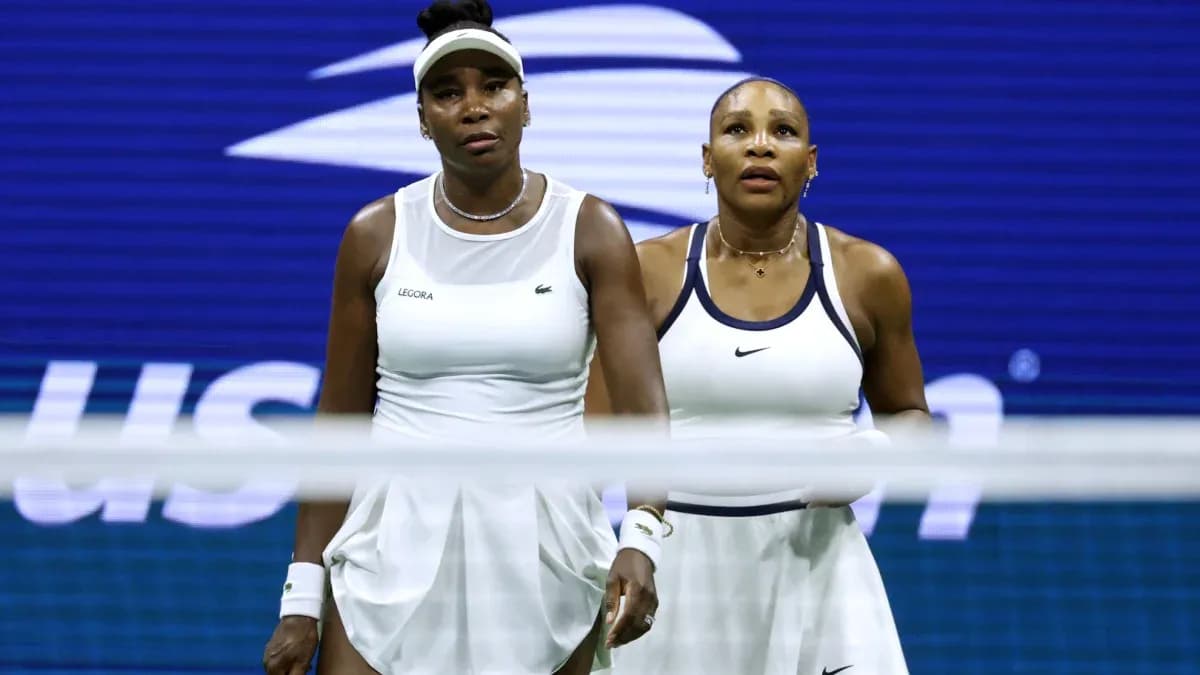
Arthur Ashe didn’t feel like a tennis court on this night. It felt like a stage built for two women who helped define an era.
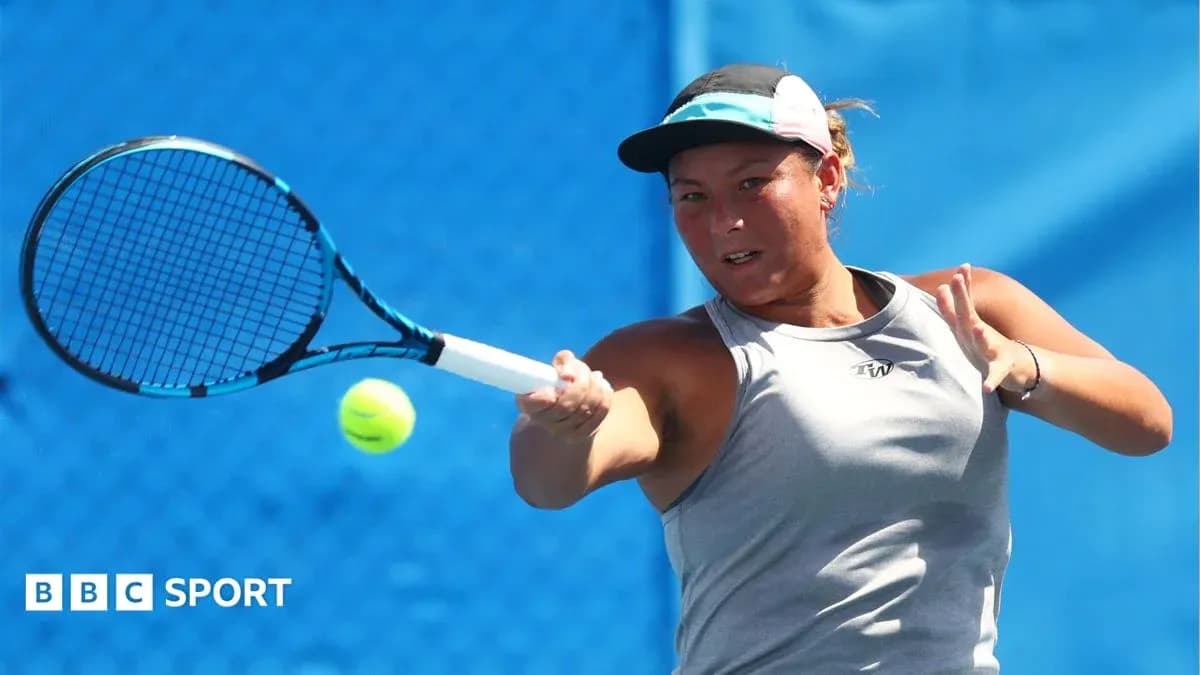
Serena and Venus Williams, 44 and 46, walked back into the US Open doubles draw and turned New York into a cauldron again, even in defeat. They fell 6-3, 6-7(6), 7-6(7) to the 14th seeds, Hao-Ching Chan of Taiwan and Australia’s 20-year-old Maya Joint, in a match that stretched into a third hour and never really loosened its grip on the crowd.
A prizefight entrance for two legends
Minutes before the first ball, Arthur Ashe Stadium morphed into something closer to Madison Square Garden on fight night. Smoke curled over the court. Lights cut through the haze. The soundtrack thumped.
Then the sisters appeared.
Half the stadium raised phones to capture it. The other half simply stood and roared, applauding two champions who have been part of the US Open’s identity for a quarter of a century. The atmosphere already crackled when another modern celebrity stepped in: YouTuber MrBeast, Jimmy Donaldson to his 515 million followers, walked to the net to handle the coin toss. It was tennis, but it was also show business.
Once the lights dimmed and the warm-up ended, the nostalgia gave way to a very real generational clash: the Williams sisters, 14-time Grand Slam doubles champions, against a pair 12 and 24 years their junior.
Crowd versus scoreboard
The opening set went to Chan and Joint, 6-3, but the noise never followed the numbers. Even as the sisters trailed, New York treated them like winners. When they walked to their chairs at the end of the first set, they received a standing ovation more befitting a trophy presentation than a deficit.
The second set turned into a street fight. Every big serve from Serena, every sharp volley from Venus, drew roars that rolled around the upper deck. “Come on, Williams sisters!” rang out from the stands so often, and so loudly, that the stadium announcer eventually had to call for silence over the loudspeakers between points.
The set edged into a tense tiebreak. Each point felt like a memory being contested as much as a game. The Americans clawed through it, 7-6(6), and Arthur Ashe erupted as if the clock had been turned back 20 years.
Tension, tiebreaks, and a final bow
By the time the deciding set began, the match had pushed into its third hour. The physical toll showed, but so did the pride. Chan and Joint started to edge ahead, and a different sound crept into the arena—those involuntary “oh!”s that ripple through a crowd when a favorite stumbles.
At 5-5, the stadium shook again. Every rally, every reflex volley, every angled return from the sisters landed with the weight of history. The scoreboard moved to 6-6, and with it came the final test: a match tiebreak that felt like a tightrope.
The air thickened. Each mini-break drew gasps. Chan and Joint held their nerve, closing the super tiebreak 7-6(7) and with it the match, but there was no sense of an ordinary upset. As the Williams sisters walked to the net, Arthur Ashe rose as one. The ovation was long, loud, and layered with gratitude.
They left the court together, in matching white sneakers, skirts, and tops, celebrating the small victories inside the loss with a familiar fist bump and shared laughter. It looked like two sisters savoring the moment as much as the competition.
A personal edge and a broader stage
For Serena, this night carried an extra edge. Her return to singles earlier this summer at Wimbledon ended at the hands of the same Maya Joint who stood across the net in New York. This doubles run offered a measure of personal revenge, even if the final scoreline again tilted the younger player’s way.
The sisters had already tested the waters as a team last month in Cincinnati, where they lost their opening match to Marta Kostyuk and Peyton Stearns. In New York, both had already featured in singles: Venus exited on Sunday, beaten by fellow American Sofia Kenin, while Serena has been a central figure at the tournament in a different way, fronting commercial campaigns with brands such as Heineken 0.0 and speaking candidly about weight-loss medications and the stigma that surrounds them.
On this night, though, the conversation returned to where it began decades ago: two sisters, one court, and a crowd that still can’t quite bring itself to let them go.
The scoreboard said they lost. Arthur Ashe suggested something else entirely.