Rybakina Triumphs Over Sabalenka in US Open Final
Aryna Sabalenka stopped hitting for a moment.
On a practice court at Flushing Meadows, already booked into the semi-finals, she glanced across towards Arthur Ashe Stadium, or perhaps up at a nearby screen. Whatever she saw from Elena Rybakina was enough to harden her face, just for a beat, before she turned back to the baseline and resumed drilling balls into the court.
The threat had been coming for months. Now it was walking straight towards her.
A rivalry tilting on its axis
Rybakina’s climb to the summit did not begin in New York. It started last season, when she closed 2025 by beating Sabalenka in the WTA Finals Riyadh championship match, a statement win in a marquee event. Weeks later in Melbourne, she came back from 3-0 down in the deciding set to defeat Sabalenka again and take the Australian Open title.
Those weren’t isolated blows. They were markers. By the time the tour turned towards North America this summer, the 27-year-old had played herself back into the ranking conversation. A run to the Montreal final shoved her firmly into contention for the No. 1 spot.
Then her body threatened to betray her.
In Cincinnati, a left ankle and heel tendon problem flared. She described it as a “chronic foot injury”, and it forced her to withdraw from the quarter-finals in Ohio. Suddenly, even her presence at the US Open felt uncertain. Her name stayed in the draw, but no one knew for sure if she would walk out on Ashe.
She waited until the last possible moment to confirm. When she finally did, the doubts evaporated quickly.
Rybakina arrives in New York – and doesn’t blink
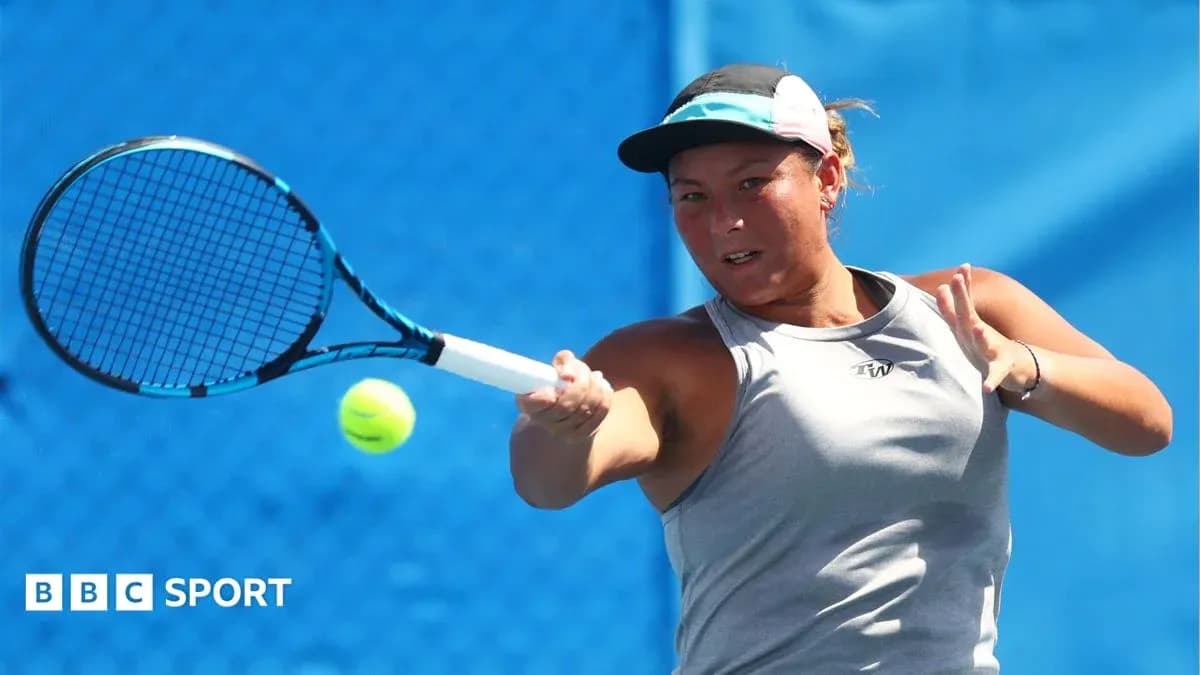
Once in New York, Rybakina played like a woman determined not to waste the chance. She didn’t drop a set in the opening week. Her demolition of Naomi Osaka in the round of 16 turned heads across the grounds.
Seven aces. Eighty-seven percent of points won behind her first serve. Osaka never got close to her rhythm; Rybakina simply overpowered her.
Sabalenka saw it all unfolding.
Asked about the ranking chase as Rybakina’s surge gathered pace, Sabalenka tried to push the storyline away.
“I completely separate myself from that, because it’s just guessing. It’s like if, if, if, if. I’m just trying to bring my best tennis every time I’m competing out there and basically fight for it,” she said after reaching the quarter-finals.
But once the maths became official and Rybakina locked up the top spot, Sabalenka’s response was sharper, almost dismissive.
“I don’t care!”
She insisted she would rather leave New York with the trophy than with the No. 1 beside her name.
Rybakina, meanwhile, kept winning. In the semi-finals she faced former US Open champion Coco Gauff and absorbed the early punch. Gauff grabbed the opening set, but the reigning Australian Open winner steadied, turned the match around and came through in three.
That set up the showdown everyone had felt coming.
The night the crown changed hands
Sabalenka walked into the final as the favourite. She had not lost on Arthur Ashe Stadium in two years. History beckoned: a chance to become only the third woman ever to win the US Open three straight times.
But the night belonged, decisively, to Rybakina.
In her first US Open final, the Kazakh produced a 6-4, 5-7, 6-2 victory in 2 hours and 21 minutes, a performance that mixed resilience with cold, clean hitting. She took the opening set 6-4 after breaking for 3-2, a remarkable feat given she landed only 27% of her first serves. The serve misfired; the groundstrokes did not. She bullied the rallies, hit through the court and made that thin first-serve number almost irrelevant.
In the second set, the serve returned. Her first-serve percentage jumped to 61%. The pattern looked ominous for Sabalenka, yet the Belarusian clung on. Rybakina earned two break points but failed to convert. Serving at 3-5, she stared down two set points and saved them, holding for 5-5 to crank the tension higher.
Sabalenka refused to let the window close. Two games later she broke, stole the set 7-5 and dragged the final into a decider. For a moment, the old aura around Ashe seemed to wrap itself around her again.
It didn’t last.
Rybakina reset, quickly. She broke for 2-1 in the third set, then tightened the screw. The rallies shortened, the errors flowed more from Sabalenka’s racket, and Rybakina’s authority grew with every clean strike. At 5-2, she broke again, finishing the game with a crisp volley winner at the net that underlined the shift in control.
A few points later, she ended it on her own terms: a 12th ace, mirroring the way she had closed out the Australian Open eight months earlier. Different continent, same finishing touch.
A new No. 1, and a brutal 72 hours
This was not just another major title. Rybakina’s season at the Slams has been the best of her career, and the numbers now sit alongside some of the sport’s giants.
By beating the world No. 1 in a Grand Slam final twice in the same year, she became the first woman to do so since Steffi Graf in 1995, when Graf defeated Arantxa Sánchez-Vicario in the French Open final and Monica Seles in the US Open final. That is the company Rybakina now keeps.
When the WTA rankings are updated on Monday, she will officially become the 30th woman to hold the world No. 1 ranking in the Open Era, the latest name etched onto a list that defines generations.
For Sabalenka, the swing from Thursday to Sunday could hardly have been harsher.
Within 72 hours she lost the top ranking. Then she lost the US Open title. She finishes 2026 without a Grand Slam trophy, the first time since 2022 she has gone through a season without lifting one of the sport’s four biggest prizes.
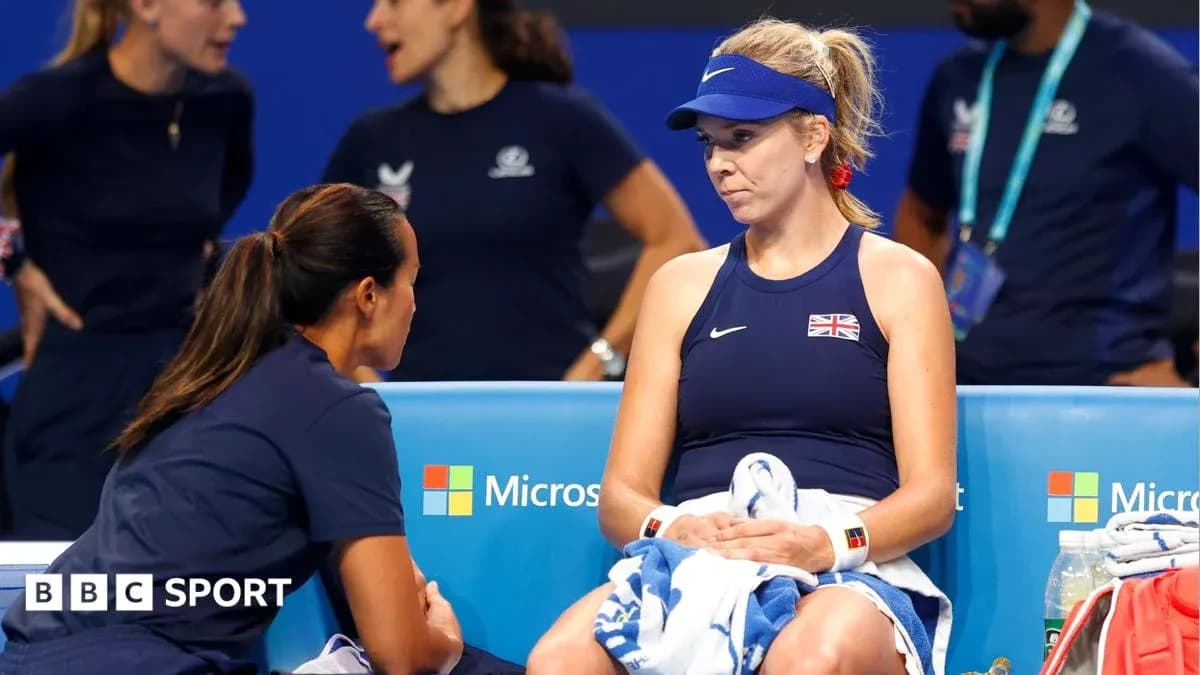
Her frustration spilled out in a now-familiar on-court meltdown after the defeat, racquet smashed, emotions raw. Yet once the noise settled, the defiance returned.
"I don't even know how many weeks I was able to be there, but it was amazing. Let's see if Elena can beat me in that. If she continues playing like that, I'm in trouble," she said as she left New York, already looking back up the mountain.
Rybakina stands at the peak now, the new standard for everyone else. The question for the rest of the locker room, and for Sabalenka most of all, is simple: how long will she let her stay there?