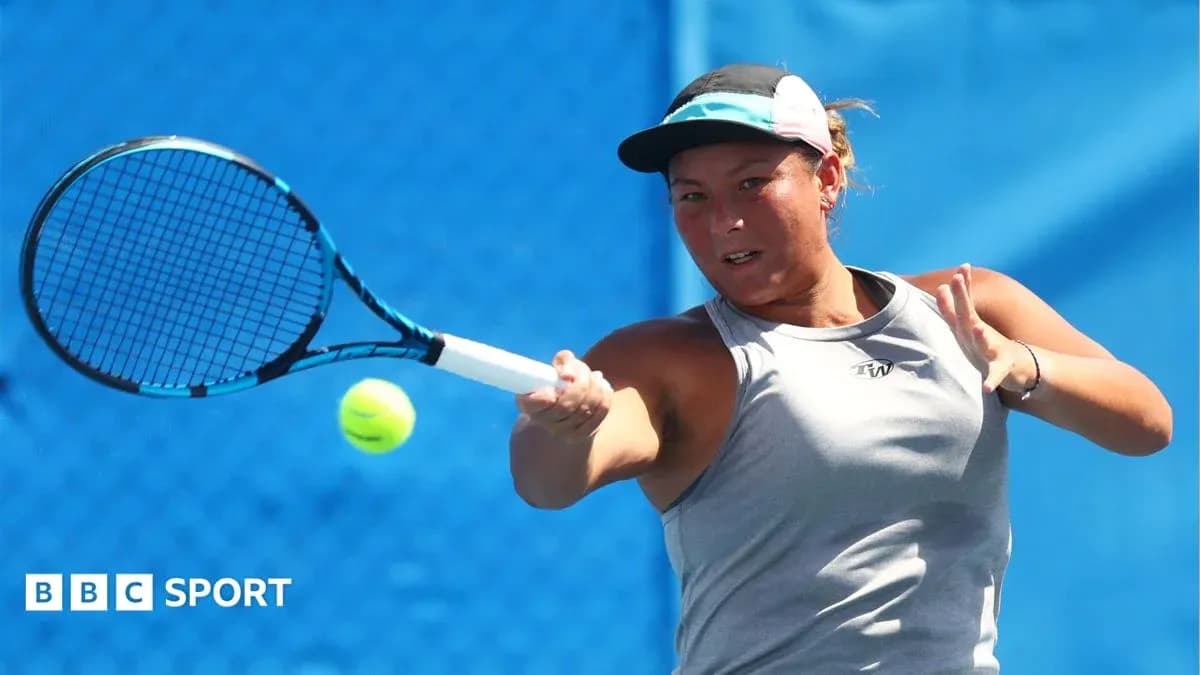
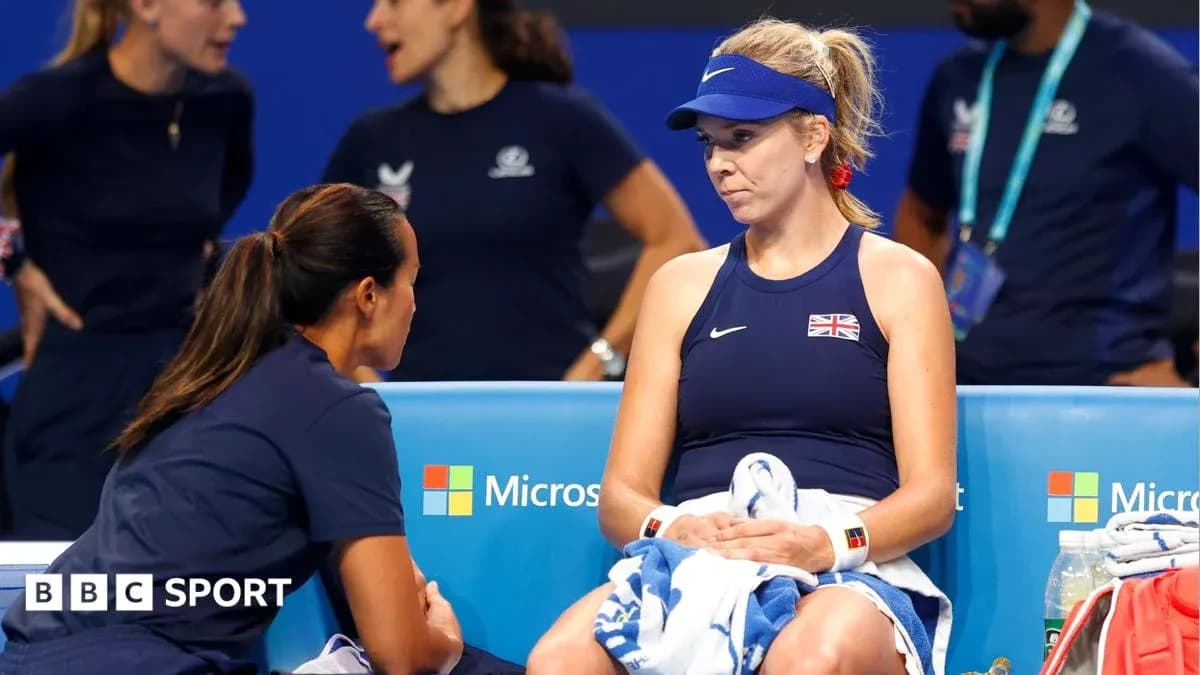
Rain and Tension Disrupt US Open Match on Court 7
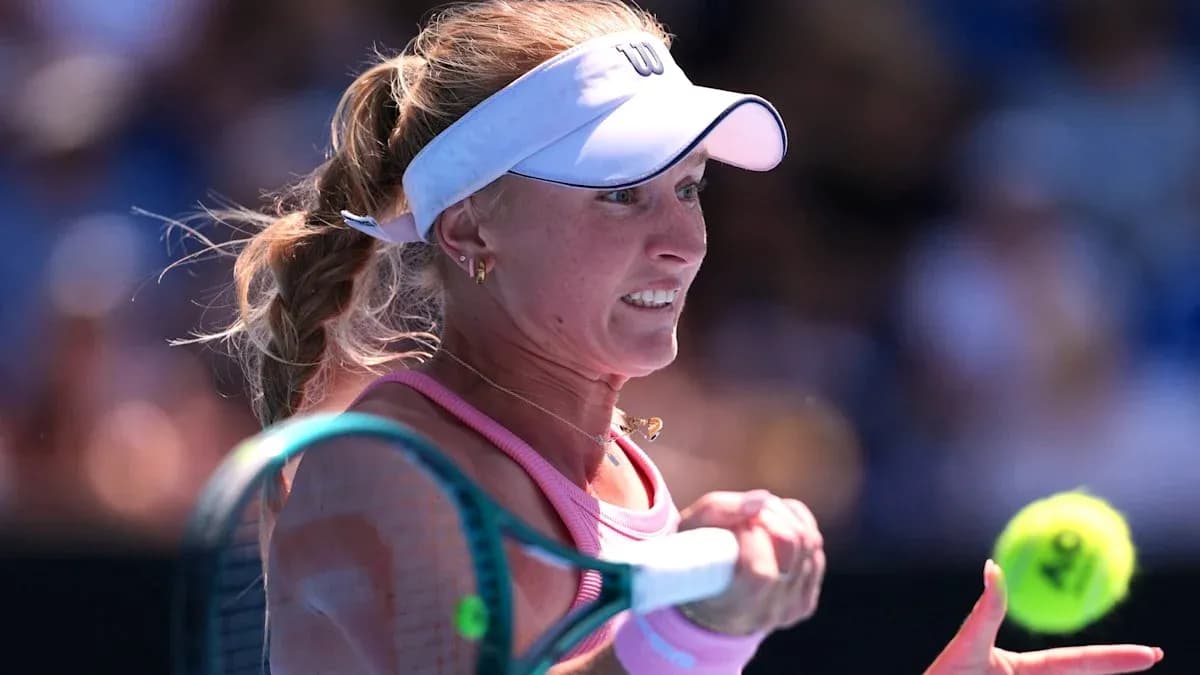
Rain, tension and a storm over scheduling: Court 7 had it all.
Kim Birrell and Petra Marcinko stood locked at 3-3 in a second-set tiebreak, nerves stretched tight, when the first drops began to fall. Within moments, the racquets were down, the umbrellas were up, and what had been a knife-edge contest froze in place.
Birrell, down a set and needing this breaker to stay alive, could only sit and wait. The margins in a tiebreak are brutal at the best of times; throw in a cold, wet pause and they become unforgiving. As Nine’s Brenton Speed put it on commentary, the rain arrived “just to add to the drama”.
On court, the timing could hardly have been worse. Jelena Dokic, watching on, summed it up simply: “What a time to stop play here.” She knows the psychology of these moments as well as anyone. A couple of loose points after a disruption, and the whole thing can be gone. “It’s tough for both players,” she said. “If you play a couple of loose points here, the tiebreak is basically done.”
The match had already been pushed forward on the schedule in an attempt to dodge the forecast. The weather came anyway.
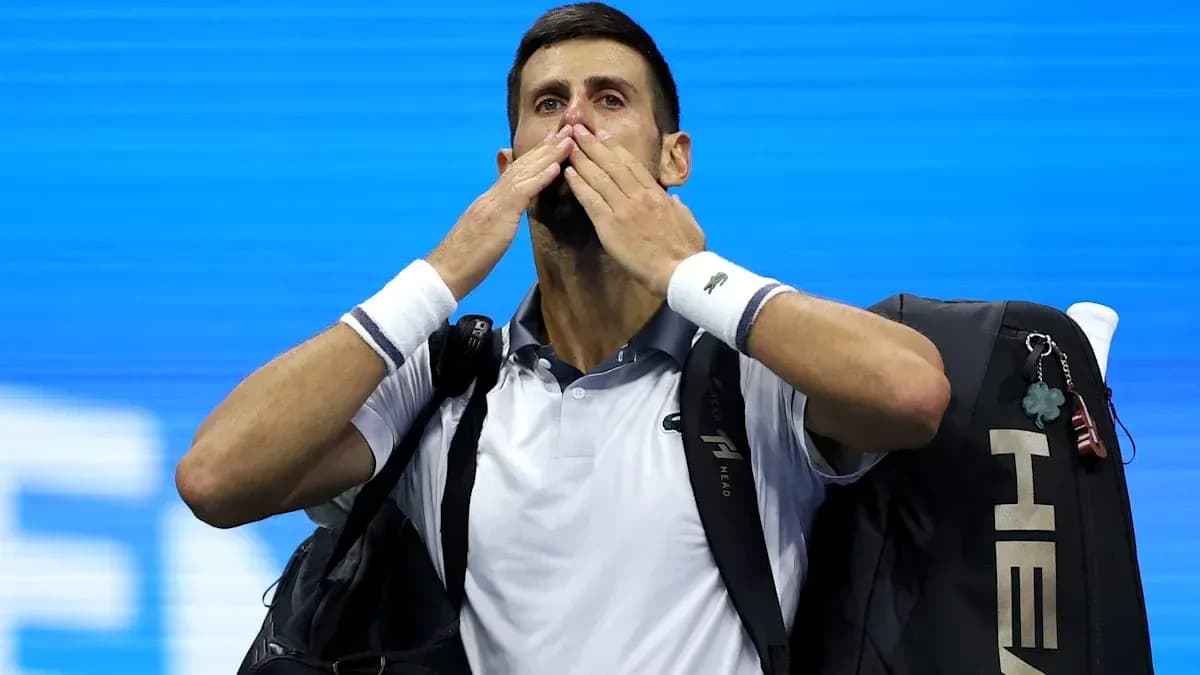
Up the road on Arthur Ashe Stadium, Novak Djokovic’s match also hit pause. The difference there: the luxury of a roof. Play halted, the stadium closed over, and the world No. 1 was soon back in motion under cover, the rain reduced to background noise.
On the outside courts, there is no such insulation — from the elements or from criticism.
Away from the baseline battles, former Australian Open boss Craig Tiley is feeling the heat in his first US Open at the helm. Only months after crossing from Melbourne to New York, he has already left a clear mark on the tournament by stretching the first round over three days instead of two.
It is a move straight from the Australian Open playbook. Melbourne shifted to a Sunday start years ago, with Tiley arguing it would ease the pressure on a jammed schedule and cut down on early-round marathons that bled into the small hours.
New York now has the same blueprint. The reaction has been far less forgiving.
With thousands of fans on site and less live tennis on offer at any one time because the opening round is spread thinner, frustration has spilled onto social media. One critic, James Denman, did not bother softening his assessment, tweeting that “the USTA seems to have genuinely f---ed the US Open. I know it’s always busy but this just reads... awful”.
Tiley, for his part, has sketched out a grand vision. At his Sunday press conference he spoke of his dream for the US Open to become “tennis Disneyland”, a sprawling, immersive experience built as much around spectacle and fan engagement as around the matches themselves. Prize money has gone up under his watch, a clear signal of where he wants to position the event in the sport’s hierarchy.
But while the big-picture ambitions play out in boardrooms and press conferences, the reality of a major still comes down to moments like the one on Court 7: two players, a tiebreak, and a sudden halt as umbrellas appear.
When the rain clears and Birrell and Marcinko rise from their chairs, the scoreboard will still read 3-3. The tiebreak, though, will feel very different.