Qinwen Zheng's Remarkable Comeback at US Open
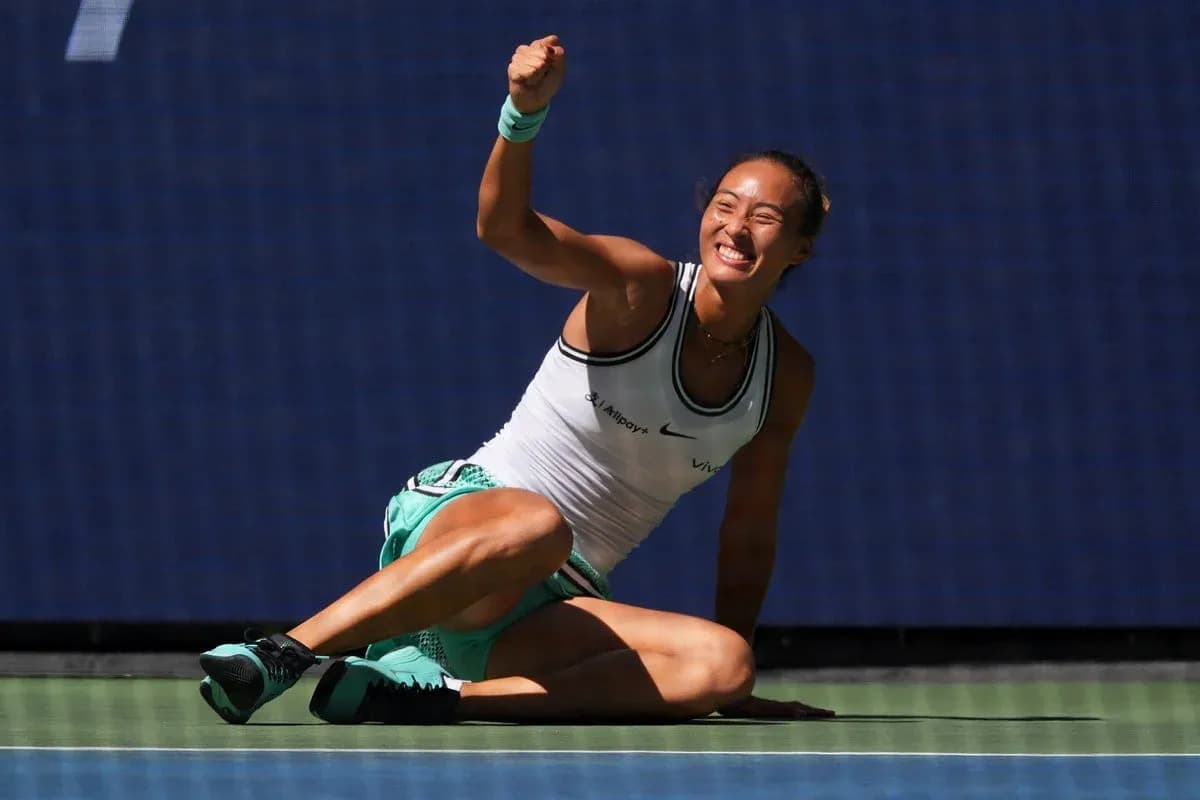
Qinwen Zheng was flat on her back in Arthur Ashe Stadium, staring up at the New York night. Not in disbelief, not really. More in the quiet satisfaction of someone who has dragged herself through qualifying, through injury, through doubt – and now through Iga Swiatek.
From 0-5 down. Again.
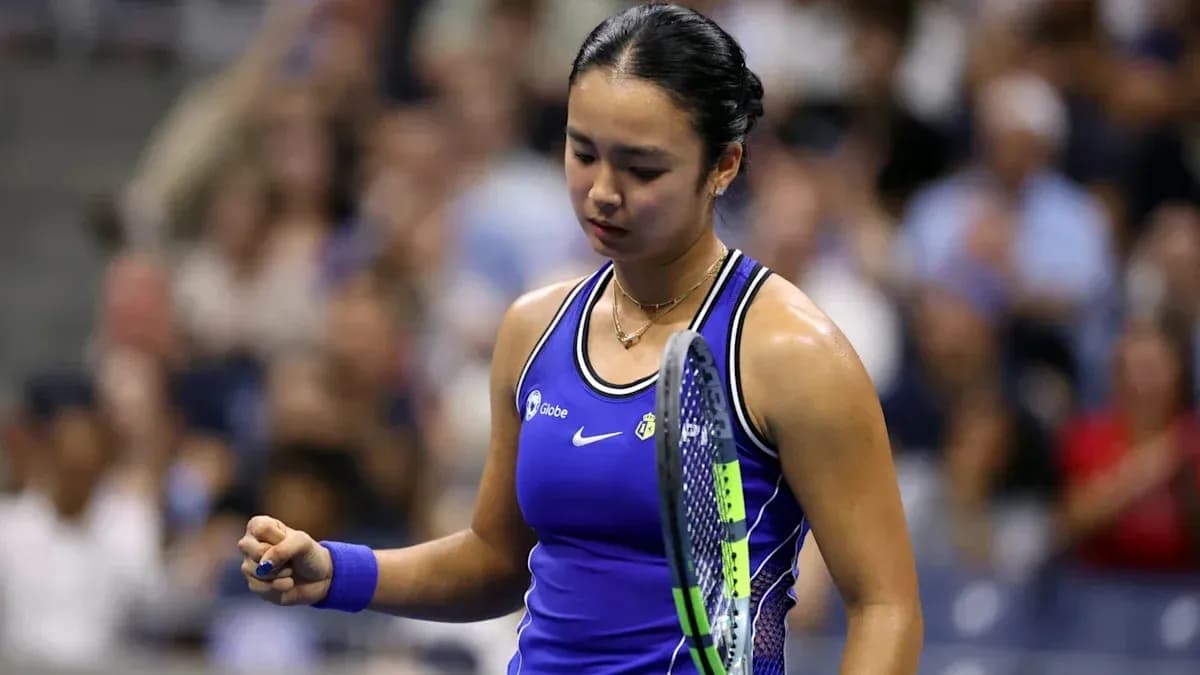
The 22-year-old Chinese star, a former Olympic champion whose ranking had sunk to No 121 after an elbow injury wrecked much of her 2025 season, produced another staggering turnaround to beat the eighth seed and former US Open champion 7-5 6-3 and reach the quarter-finals in New York for the third time.
From the brink to belief
Two days earlier, her tournament looked finished. Madison Keys, the former Australian Open champion and 22nd seed, had her on the ropes: 1-6, a tiebreak lost, and then 0-5 down in the deciding set with match point against her. Zheng refused to fold. She rattled off seven straight games to steal it 1-6 7-6 (7-3) 7-5 and walk off to a stunned murmur around Ashe.
That kind of escape usually belongs in the “once in a career” file.
Zheng decided to make it a habit.
Against Swiatek, the start was brutal. The Pole, a six-time grand slam champion and former Wimbledon winner, raced to a 5-0 lead in the opening set. Zheng’s timing was off, her range uncertain, the enormity of the stage – her first time back on Ashe in a long while – weighing heavily.
“I started the match not so well,” she admitted on court. Point by point, though, she began to feel the ball, to feel the court, to feel herself again.
The comeback began almost quietly. A hold. Then a break. Then another hold. Swiatek’s error count, already creeping up, started to balloon. The scoreboard tightened. Zheng’s shoulders loosened. At 4-5, she was so deep in the fight she later said she forgot the score entirely. That level of focus turned a rout into a heist.
Seven games in a row. Set Zheng.
Swiatek unravels, Zheng locks in
The second set did not bring a reset for Swiatek. Her game, usually so precise and suffocating, frayed badly. She finished with 28 unforced errors, a number that told the story of a champion searching for control and never finding it.
Her recent grand slam record now carries an uncomfortable pattern: since winning Wimbledon in 2025, her last five exits at the majors have all come in straight sets. On Ashe, the frustration and pain were visible. She left the court in tears.
Zheng, by contrast, grew more ruthless. She carved out the only break of serve in the second set and guarded it with the calm of a player who had already stared down the abyss twice this week. Her groundstrokes pinned Swiatek back, her serve held under pressure, and the nerves only really showed at the finish line.
Three match points slipped away. On the fourth, she nailed it. Then came that fall onto her back, the roar, the release.
“I just focused point by point and little by little I start to play better tennis, I start to find my game,” she said. “I’m just really happy to win this match cause it’s not easy and it’s been a while really. I didn’t beat any top 10 player.”
Seven matches in a row now in New York, from qualifying through to the last eight. No luck, as she put it. Just hard, relentless work.
A quarter-final with real bite
Waiting for her will be either second seed Elena Rybakina or 13th seed Naomi Osaka, the two-time US Open champion. Either matchup carries edge and intrigue: Rybakina with her clean, flat power; Osaka with her history on this court and her own comeback story.
Zheng, though, has already turned this US Open into her stage. From 0-5 against Keys. From 0-5 against Swiatek. From outside the top 100 to the sharp end of a major again.
New York loves a fighter. Right now, few fight quite like her.
Andreeva advances as Potapova breaks down
Earlier in the day, another comeback shaped the women’s draw, this one ending in very different emotions.
French Open champion Mirra Andreeva battled past Anastasia Potapova 5-7 6-4 6-3 to reach her first US Open quarter-final, but the decisive moment came with a cruel twist. Potapova, representing Austria and playing some of the sharpest tennis of her career, had taken the first set and was hanging on deep in the third.
At 5-3 down, chasing a forehand, she twisted her knee badly. The 25-year-old crumpled, then rose with her leg heavily strapped, tears flowing as she tried to carry on. She stayed out there, determined to finish, but her movement was gone. She did not win another point.
“Andastasia is a good friend, and seeing what a battle we have and then seeing her fall is not easy,” Andreeva said. “It’s not the way you want to finish the match. I just told her she is playing amazing and I’m sure she’ll come back even stronger, she’s a warrior.”
Two comebacks. One built on defiance and a surging belief. The other overshadowed by injury and heartbreak. As the second week of the US Open takes shape, Zheng and Andreeva move on, carrying very different memories of the same unforgiving city.