Naomi Osaka Advances to US Open Third Round with Gritty Win
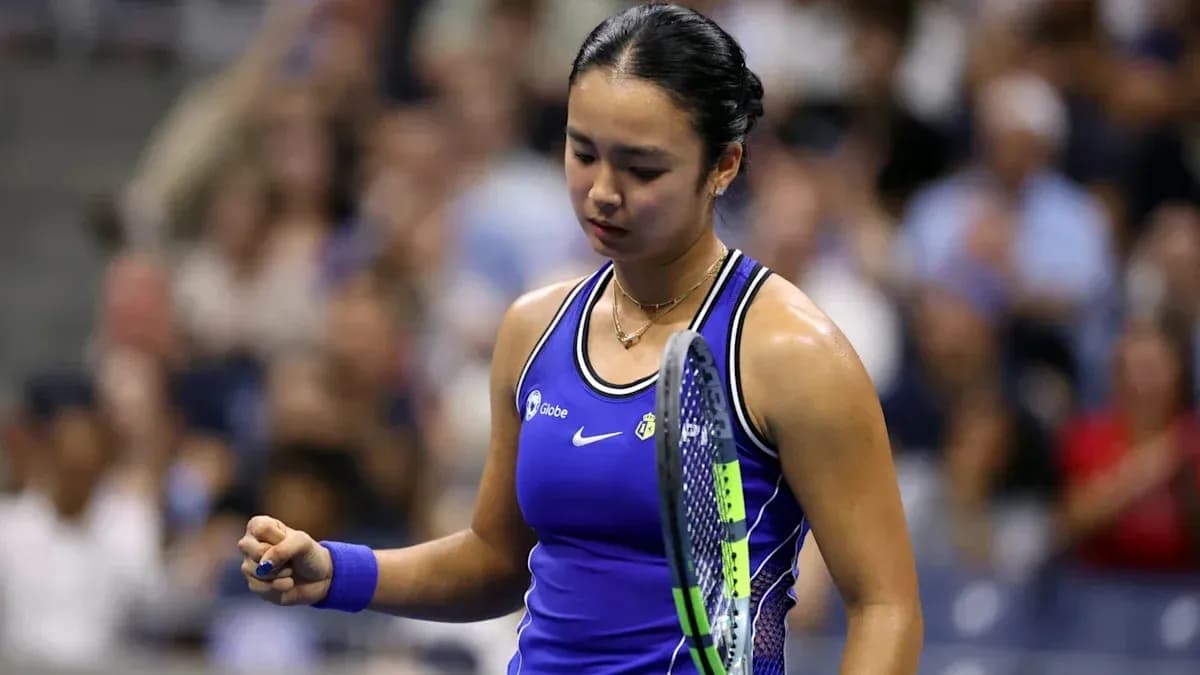
Naomi Osaka has never needed perfection to own Arthur Ashe Stadium. What she does demand is control. On a hot, stop-start afternoon in New York, she wrestled that control back at the key moments, surviving a ragged end to the second set to beat Katerina Siniakova 6-2 6-3 and move into the US Open third round.
For long spells, this felt routine. Osaka’s weight of shot from the baseline, her ability to dictate with that heavy forehand, kept Siniakova pinned and reactive. The first set went 6-2, Osaka largely untroubled on serve, the two-time US Open champion playing with the kind of clarity that once made her the dominant hard-court force in the women’s game.
Then the match got messy.
Osaka Surges, Siniakova Resists
Osaka opened the second set in the same commanding mood. She held for 1-0 despite a brief wobble – a double fault on game point – and the now-familiar intervention from the chair asking the crowd to quieten down mid-rally. The noise on Ashe wouldn’t go away; neither would Osaka.
Siniakova, who had struggled to even sniff a break point early on, dug in. She saved a break point to hold for 1-1, a game spent mostly on the back foot, and let out a roar of frustration after a double fault later in the set – her fifth of the match – but still managed to stay in touch at 2-2.
Osaka, though, sensed the opening.
At 3-2 on Siniakova’s serve, the Czech faltered on a forehand to fall 0-30 down and visibly berated herself. Three break points followed. The pressure finally told a game later. Osaka broke for 4-2 with a brutal passage of baseline dominance, sending Siniakova scrambling side to side before ripping a winner that underlined the gap in firepower. The finish line came into view.
Twist in the Tension
Just when it looked done, the match flipped.
Serving at 4-2, Osaka’s level dipped. Siniakova, who had been staring at a straight-sets exit without a single break chance for almost an hour, finally carved out an opportunity after a third deuce in the game. On her second break point, she took it. Osaka’s unforced errors opened the door; Siniakova walked through, breaking back for 4-3 and dragging the contest into a new phase.
“Game on” felt right. For the first time, Osaka looked vulnerable.
But champions tend to respond quickly. At 4-3, with Siniakova trying to consolidate and truly turn the set around, Osaka pounced again. She hammered her way to three more break points, Siniakova saving one with a strong first serve before conceding the second. The Czech’s long-awaited breakthrough vanished almost as soon as it arrived.
Osaka led 5-3 and stepped up to serve for the match.
Scrappy Finish, Same Result
The closing stretch was anything but smooth. For the fourth consecutive game, there were break points – this time two for Siniakova as Osaka tried to close it out. The rhythm disintegrated into a scrap: short rallies, rushed errors, tension in every swing.
Osaka, though, held her nerve. Where Siniakova’s earlier surge had been built on Osaka’s mistakes, the final game swung on Osaka’s willingness to go back to her strengths. She straightened her shoulders, went after her first serve, and trusted the forehand that had carried her all afternoon. The Czech couldn’t find a way through at the net, couldn’t extend enough rallies to turn the screw.
Osaka shut the door, 6-2 6-3, and walked off Ashe with a straight-sets win that felt tougher than the scoreline.
Swiatek in Control, Dart Steps In
On the nearby Grandstand, Iga Swiatek delivered the kind of measured, disciplined performance that has become her trademark. The six-time Grand Slam champion beat Nadia Podoroska 6-3 6-2, finishing with a flourish: a stunning step-around forehand winner, then another heavy forehand to draw the final error and seal her place in the third round.
Swiatek spoke afterwards of feeling better here than at any other major this year, and even found room to talk about her off-court Lego hobby – a small set on the go, she said, something she can “do slowly, just relaxing,” away from the intensity of competition.
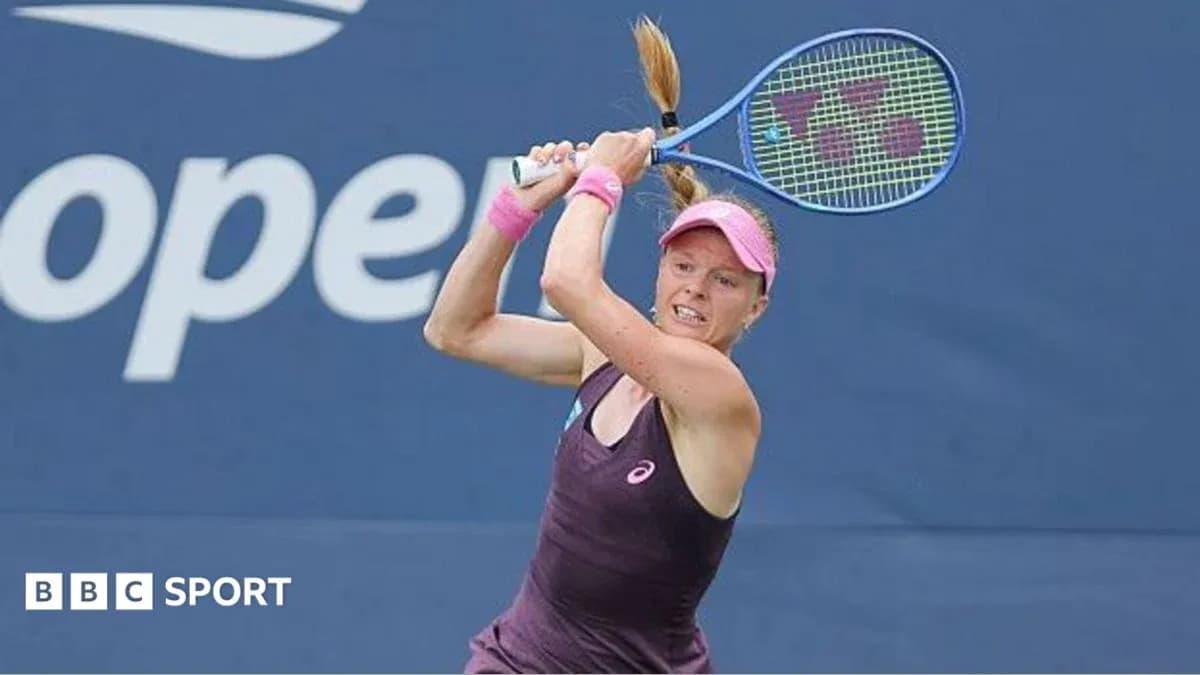
Back on the outer courts, British interest turned to Harriet Dart. One of only two Britons left in the US Open singles draw – alongside Fran Jones, who plays later – Dart opened her match against 25th seed Marie Bouzkova on Court 11 with authority. She held for 1-0, stepping into the court and winning baseline rallies before closing the game at the net. The pair have met only once before, Dart winning in three sets in Eastbourne earlier this year; this time, the stakes are higher, and the margins thinner.
On the men’s side, Felix Auger-Aliassime edged a tight first set against Karen Khachanov, 7-6 (7-5), in a battle between two former US Open semi-finalists. He had to recover from surrendering a break advantage before tightening up in the tie-break, his variety and resilience drawing praise from courtside analysts.
New York in week one is about survival as much as spectacle. Osaka has survived, Swiatek has cruised, and Dart is just getting started. The question now is simple: who can turn these early footholds into something far bigger by the time Ashe is packed again under the lights?