Naomi Osaka's Night at the US Open: A Fashion Statement and a Tough Win
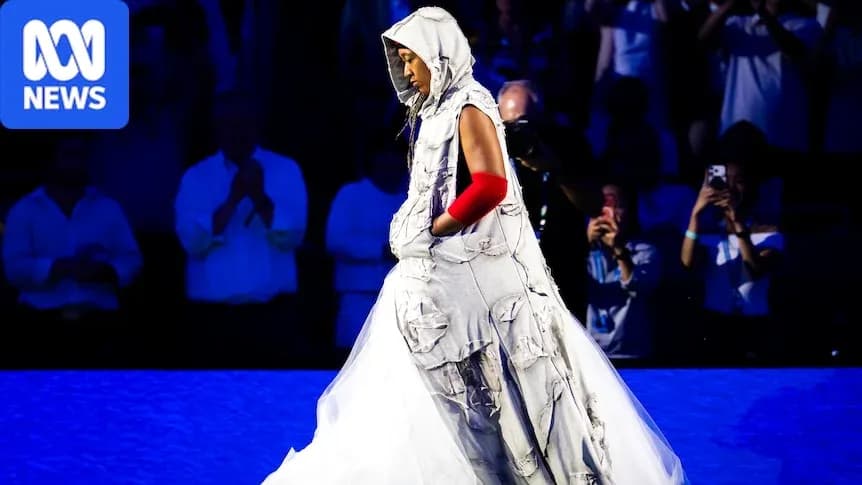
Naomi Osaka arrived under the lights of Arthur Ashe Stadium dressed like a headline.
Hood up, train trailing, the two-time US Open champion walked into the night in a hooded tunic stitched with her own story — patchwork-style panels printed with press clippings from past tournaments, a billowing white tulle train floating behind her. It was part runway, part ring walk, and entirely Osaka.
Then she went to work.
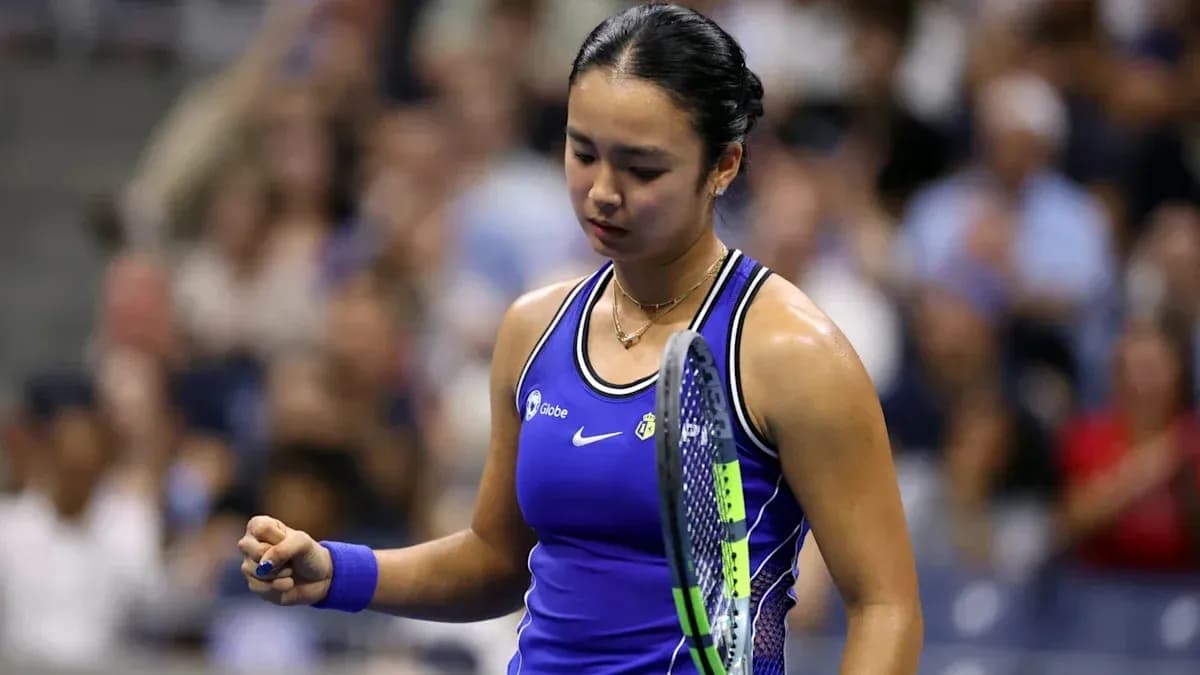
Facing unseeded Russian Anastasia Zakharova, the four-time major winner needed every ounce of her competitive edge to match the drama of her entrance, edging through 7-6 (8/6), 7-6 (7/3) in a late-night scrap that finished close to 12:30 am in New York.
Fashion as battle armour
Osaka has turned each major this year into a moving gallery.
At Wimbledon, she nodded to her Japanese roots with a kimono-inspired look, complete with a traditional kanzashi hair ornament, before switching into a classic white Nike kit. At Roland Garros, she stepped out in a black Kevin Germanier skirt, then played in layered yellow, brown and gold — a shimmering echo of the Eiffel Tower’s night-time glow. In Australia, her outfit took its cues from a jellyfish, fluid and otherworldly.
New York demanded something different. Something louder.
Competing at Flushing Meadows in an Allen Iverson-inspired ensemble, Osaka leaned fully into the basketball brief from her sponsor.
"It's my tribute to Iverson," she said of the NBA Hall of Famer. "I really like him a lot. Nike said basketball, so I said, 'You want basketball, I'll give you basketball.' I like expressing myself through clothes, and I'm glad you guys appreciate it."
The look was pure Iverson: defiant, street, unapologetically individual. The tennis, at first, seemed just as straightforward.
From cruise control to crisis
Osaka burst out to a 4-1 lead in the opening set and appeared on track for a routine night. Her serve was flowing, the forehand heavy, the crowd settling in for a comfortable champion’s procession.
Zakharova had other plans.
Ranked 101 in the world, the Russian refused to be reduced to a footnote beneath Osaka’s train. She clawed her way back into the set, matching Osaka from the baseline and dragging the contest into a tie-break that suddenly felt far more dangerous than the scoreline had suggested.
The pressure finally told — but on Zakharova. Osaka, rusty by her own admission, steadied when it mattered most, edging the breaker 8-6 and letting out the kind of release that comes from surviving a set she had seemed to own.
The pattern repeated in the second. Osaka surged, Zakharova hung on, and the match tightened again. The rallies grew longer, Osaka’s timing wavered, and the unseeded challenger refused to fold. Another tie-break. Another test of nerve.
This time, Osaka shut the door with more authority, taking it 7-3 to seal a straight-sets win that felt anything but simple.
Rust, nerves and late-night gratitude
"I would say it took everything [to win]," Osaka admitted on court as the clock crept toward half past midnight. "I have no idea what time it is. Thanks for staying."
The crowd roared back at her. She soaked it in.
"I'm grateful to be able to play on this court again," she said. "I just told myself to not have any regrets. I wanted to come out and compete … I was a little rusty. I get nervous in the first rounds. I want to do well and show you guys new outfits."
That blend of vulnerability and showmanship has become Osaka’s signature. The outfits grab the cameras; the honesty keeps the spotlight on her even when the tennis stutters.
Next stop: Siniaková
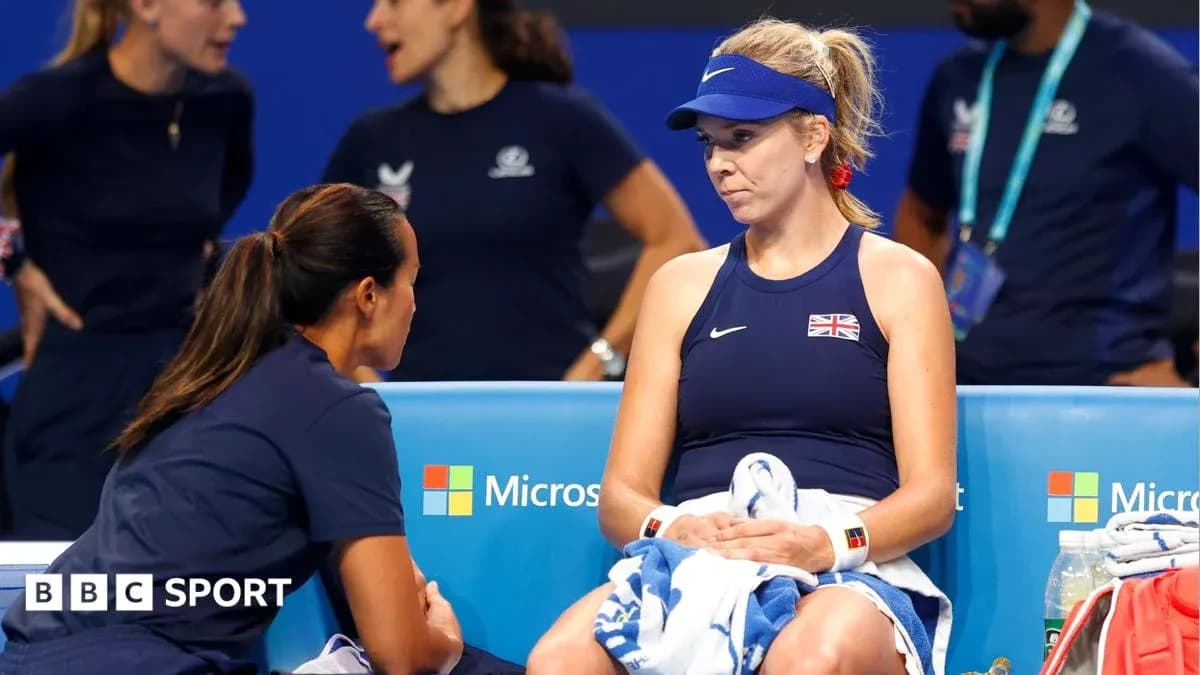
For all the theatre, this is still a US Open where Osaka expects to contend. Seeded 13th and already a champion in New York in 2018 and 2020, she now turns to a second-round meeting with Czech player Kateřina Siniaková.
The tunics, trains and tributes will keep coming. The question is whether the tennis will sharpen quickly enough to match them, as the stakes rise and the runway gives way to a title chase.