Naomi Osaka: Redefining Fashion and Identity in Tennis

Naomi Osaka has never blended in. Not with her game, not with her voice, and certainly not with what she wears.
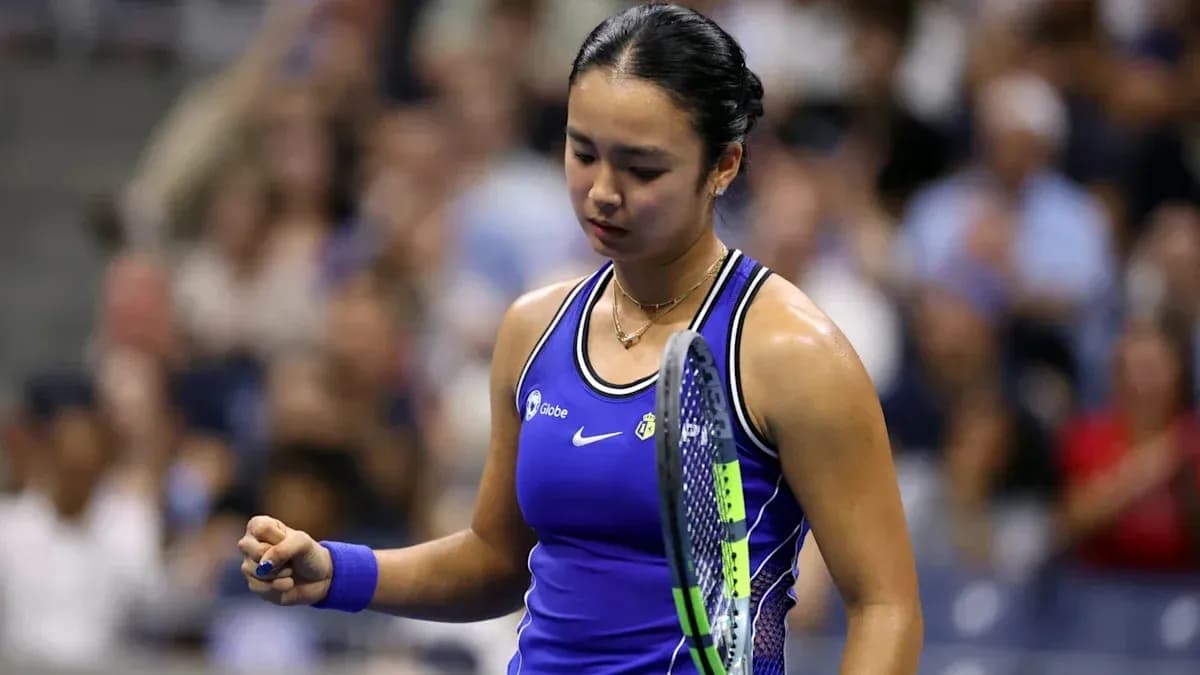
At this year’s US Open, the 28-year-old walked into Arthur Ashe Stadium for her first-round match against Anastasia Zakharova in a hooded white gown that looked more runway than locker room. Underneath, she stripped down to an all-black, basketball-style kit, braids flowing, headband on — a deliberate nod to Allen Iverson, the former NBA star she called a “trailblazer” for the way he bent fashion and culture to his will.
Osaka knows the reaction that follows. The social media dissection. The think pieces. The criticism. She has decided she can live with all of it.
“I don’t mind being the first to do something and getting trashed for it,” she wrote in a social media post, addressing the noise around her outfits. “This happened when I talked about mental health and for some reason it’s happening with my clothes lol.”
The outfits kept coming. So did the commentary.
For her last-16 match against Elena Rybakina — a straight-sets defeat that ended her run in New York — Osaka arrived in another statement piece: a decorated coat draped over her shoulders before she settled into the more familiar rhythm of match play. The tennis world has seen pre-match robes and jackets before, but this was different in tone, closer to a personal manifesto than a warm-up layer.
Osaka framed the backlash around her style in the same way she framed the storm that followed her decision at Roland Garros in 2021, when she refused to speak to the media, then withdrew from the French Open and spoke openly about her mental health. That episode reshaped the conversation around athlete welfare, even as it brought a wave of criticism to her door.
Now, clothing has become the latest battleground.
She draws a straight line between the two: the courage to speak, the courage to stand out, the willingness to absorb the hits so others might not have to.
“As long as the people after me have an easier path it’s worth it,” she wrote.
Osaka also anchored her stance in who she is and where she comes from. With a Haitian-American father and a Japanese mother, she has long stood at the intersection of cultures, often carrying the weight of representation on court and off it.
“I’m literally Haitian it’s in my blood to be this way,” she added, tying her defiance and flair directly to her heritage.
For some, the gown, the coat, the Iverson tribute headband are just outfits. For Osaka, they are something closer to a declaration: that a tennis court can be a canvas, that a player can be more than a dress code, that pushing boundaries in sport isn’t limited to the baseline and the service line.
The wins and losses will always define careers on paper. Osaka seems intent on making sure they don’t define the limits of what a player is allowed to be.