Naomi Osaka: Champion and Designer Redefining Identity
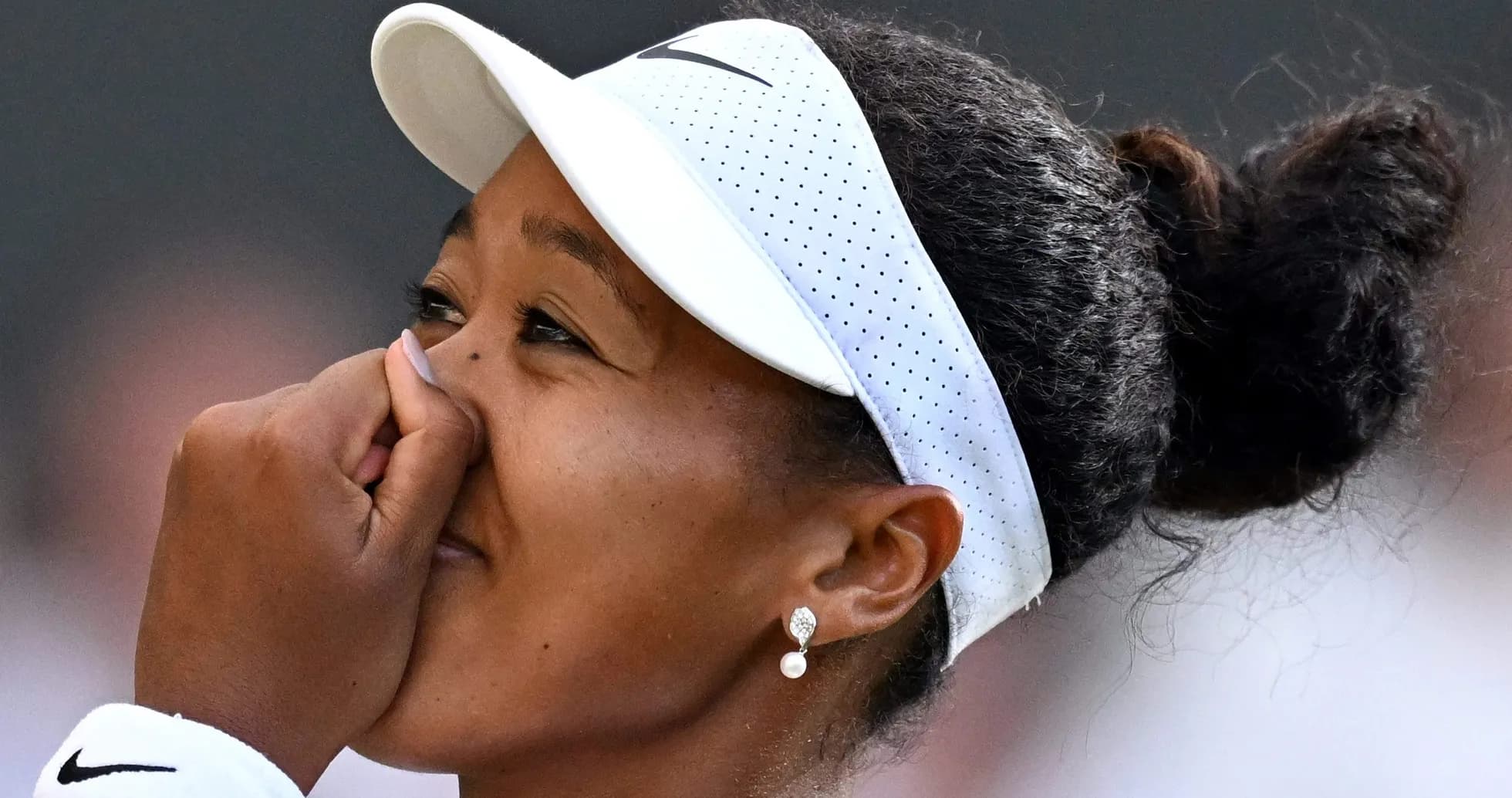
Naomi Osaka has never been just one thing. On Monday, August 31, she walks back into Arthur Ashe Stadium as a two-time US Open champion, opening her 2026 campaign against Anastasia Zakharova. Yet in the days leading up to Flushing Meadows, her choices have made something else abundantly clear: tennis may be her craft, but it is no longer her entire identity.
“I think people forget my main job is to be a mom. This [tennis] is kind of like my side hustle a little bit. I just happen to be really good at it,” she told reporters, a line delivered with a smile but anchored in conviction.
Osaka, now 28, pulled out late from the Cincinnati Open, officially citing fatigue. The real reason was more personal, more ordinary, and far more revealing. She simply wanted time at home with her three-year-old daughter, Shai. For a player whose career once revolved around the next flight, the next draw, the next center court, the decision underlined how sharply her priorities have shifted.
Yet there is nothing casual about her preparation. Osaka arrives in New York with matches in her legs and confidence in her voice. “I do feel like I’ve played a lot of matches… Honestly, this is the surface that I’m most comfortable with,” she said, sounding every bit like a contender who knows exactly what hard courts can do for her game.
Her personal life has been evolving in parallel. During her run at the Washington Open, Osaka casually revealed she has a new boyfriend, a detail she dropped with the same ease she threads a backhand down the line. The scrutiny will follow, as it always does, but she appears more at ease with it than at any point in her career.
A Champion With a New Canvas
New York has always suited Osaka, not just for its hard courts but for its energy. This time, she is feeding off it in a different way.
Between practice sessions at the Billie Jean King National Tennis Center, Osaka has been slipping away to Southampton, where she announced the next phase of her off-court life: her own line of luxury accessories. The player long known for turning walk-ons into mini-runways is now moving from muse to maker.
At the Fame to Fortune Summit, she unveiled a prototype of one of her handbags and spoke about the project with a seriousness that matched any pre-match press conference. She described the new brand as her “biggest dream” outside of tennis, according to Variety.
“Being a really good tennis player has given me a lot of amazing opportunities to invest and also just to surround myself with some really great people and I feel like that’s gotten me to this point where I want to create my own thing,” Osaka told Fortune’s executive editorial director Diane Brady.
“It’s something that I want to pour all my energy into because I believe in it too with all my heart.”
This is not a dabble, not a vanity logo stamped on someone else’s design. Osaka talks about fashion and accessories with the same intent she once reserved solely for her serve and return. For a player whose career has often intersected with culture and politics, building a brand in her own image feels like a natural next step.
Owning the Stage, On and Off the Court
Before the balls start flying in anger at the US Open, Osaka has already turned the Billie Jean King National Tennis Center into a backdrop. Media rooms, gyms, corridors—every corner has become a set for her latest fashion photoshoots.
“Whenever the ideas come in my head, I just really want to do it,” she said. There was no grand strategy, no carefully plotted campaign, at least not in her telling.
“Honestly, like, nothing I do, I do to make a statement,” she insisted when asked about the imagery. “I think it just ends up being that way.”
That has long been the Osaka paradox. She claims no desire to be symbolic, yet people project meaning onto almost everything she does—her masks, her outfits, her words, her silences. The photos in and around the US Open grounds are no different. She is simply doing what she likes. The world, once again, is watching.
“But I literally do the things that I love to do, and I feel like people relate to it, and I’m really glad and grateful for that, because I feel like the type of person I am, a lot of people can see themselves in me. I really, honestly, I love that about myself.”
It is a rare, unguarded admission of self-acceptance from an athlete who has spoken openly about pressure, expectation, and mental health. Osaka now sounds like someone who understands the weight of her platform and has made peace with it.
On Monday, the scoreboard will strip everything back to basics: Osaka vs. Zakharova, first round, best of three sets. But as she walks into the US Open once more—mother, champion, designer, brand-builder—one question hangs over Flushing Meadows.
How far can she go now that she’s finally playing on her own terms?